

Currants (Gooseberries)
Cooking Tips
- Eat in a summer salad or use to top fruit tarts and cakes.
- Red currants make the best jams, jellies, syrups and glazes.
- Stir red currant syrup into a banana smoothie.
- Make “gooseberry fool” by stewing gooseberries and then stirring into whipped cream or custard.
Details
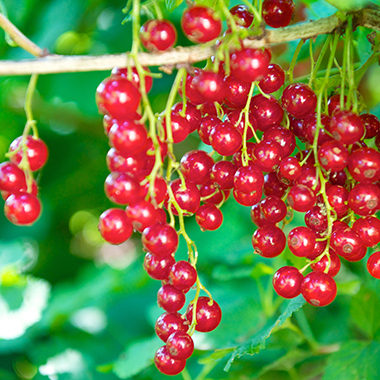
Dried currants in the supermarket are usually not actual currants—they’ll most likely be dried, seedless Zante grapes, but they’re labeled as currants simply because they look like dried black currants. Real currants are nearly always sold fresh, not dried. There are red, black and white currants, plus gooseberries, which are of the same genus, but are larger. In our region, they make nice shrubs which produce a bonus crop of delicious fruit in the summer.
Currants are very disease resistant, so nearly all that you’ll find at the farmers market will be grown without the use of pesticides or herbicides, even if they’re not certified organic. Choose black currants for the most flavor (a musky taste which is either loved or hated) as well as nutrition. Red currants should be dark red in color and will be tart. White currants are rare and the sweetest. Gooseberries can be colored anywhere from green to pink to red and are mildly tart along the lines of kiwi or grapes. Lastly, black currants and gooseberries have been crossed to form a hybrid called the Jostaberry, which is black like the currant, a gooseberry’s size and does not have the musky flavor of the black currants which some find unpleasant.
Nutrition: Black currants are the most nutrition, with seven times the daily recommended value of vitamin C for a 3 ½ ounce serving, plus good amounts of calcium, iron and vitamin A. Red and white currants and gooseberries have ¼ to ½ of the nutrient density of black currants.
Related Recipes

Brandied Currant Vegan Scones with “Eggnog” Glaze
Winter 2023
Latvian Alexander Cake
Winter 2017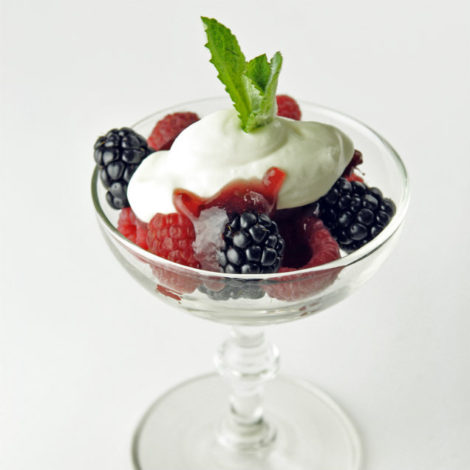
Raspberries with Currant-Honey Coulis
Summer 2017More Recipes With Currants (Gooseberries)
Related Stories
Frozen Assets: Summer Berries
Summer Porch Party
Backyard Fruits Without Harmful Chemicals
Orchard on a Mission
More Stories With Currants (Gooseberries)

Edible in your mailbox
