

Edible Flowers
Cooking Tips
- Sprinkle on top of salads to add color or slight variations in flavor, depending on the flower.
- Use to flavor sorbets and ice cream.
Details
Always learn from an experienced forager before hunting for edible flowers. Some poisonous flowers are near exact doppelgangers of edible ones. Also, it’s critical that edible flowers be organic—never use flowers from a florist, nursery, or any place that you don’t know whether they spray chemicals. Roadside flowers are also questionable, as they could contain chemicals from car and truck exhaust.
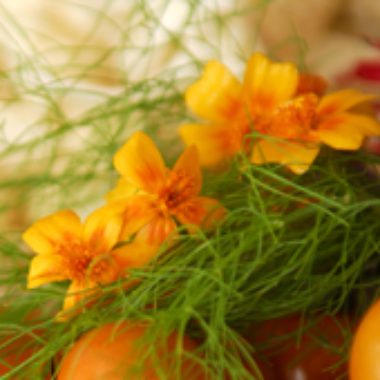
That said, there are an incredible number of edible flowers that you can grow in your own garden safely, which would attract beneficial insects. Edible flowers vary in seasonality as well as flavor—and just because a flower is edible doesn’t mean it tastes good. Pick up a book from your local library to learn about some of the common good tasting edible flowers like alliums, basil, dandelion, chamomile, cilantro, clover, dill, elderberry, lavender, lemon verbena, mint, violet and more.
Nutrition: Edible flowers are mainly used as a garnish or to add slight variations of flavor; therefore, they do not add significant nutrition to a dish.
Related Recipes
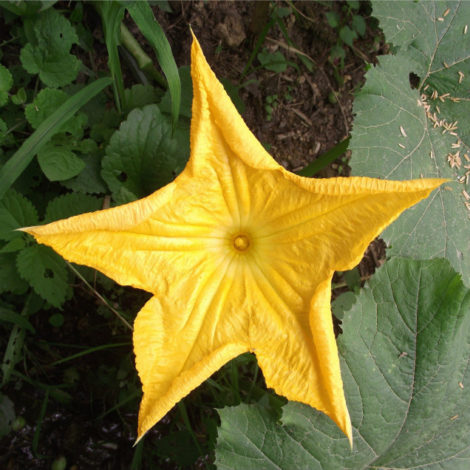
Cheese-Stuffed Squash Blossoms
Summer 2018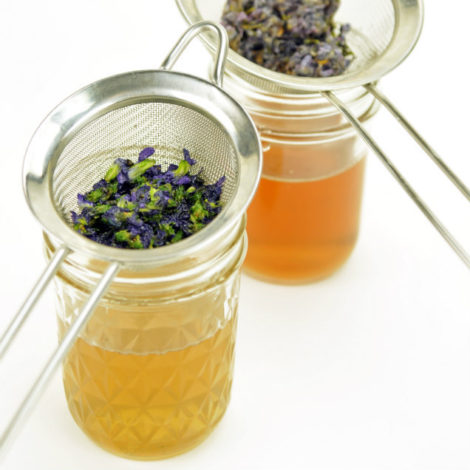
Flower Syrup
Summer 2018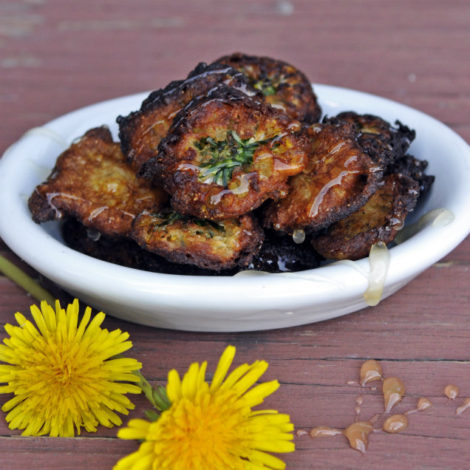
Honeyed Dandelion Fritters
Summer 2018More Recipes With Edible Flowers
Related Stories
More Stories With Edible Flowers

Edible in your mailbox
