

Kale
Brassica oleracea Acephala Group
September - February
Cooking Tips
- Give the leaves a quick rinse in cold water before using. Thicker, tougher stalks should be discarded.
- Saute in olive oil until just wilted. Mix in a little lemon juice and red pepper flakes.
- Toss kale with feta, pine nuts, and cherry tomatoes. Use to top whole wheat pasta.
- Use the leaves to add color to hearty soups such as bean soup or Portuguese Caldo Verde soup.
- Steam kale with chopped sweet potatoes. Season with soy sauce, garlic, and ginger.
Details
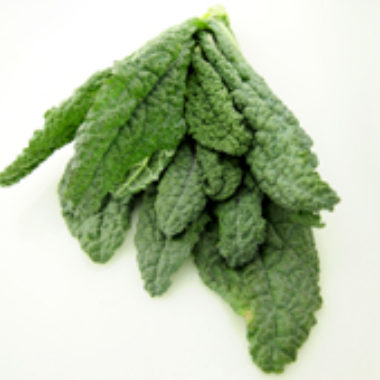
One of the few greens that is abundant in cold winter months, kale’s flavor actually improves after a frost. Look for stems with crisp leaves that show no signs of yellowing or wilting. Smaller leaves will be more tender, making them perfect for salads. Larger leaves are ideal for using in soups and other cooked dishes.
Nutrition: Kale is an incredibly nutrient dense food. It is very high in vitamins A, C, and E. Kale also has a rich mineral content and contains a large number of phytochemicals.
Related Recipes

Warm Winter Salad
Winter 2021
Winter Kale Salad With Roasted Brussels & Cinnamon Citrus Vinaigrette
Winter 2020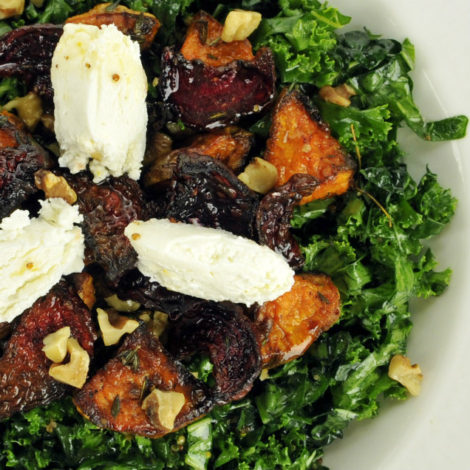
Kale and Roasted Roots Salad
Fall 2017More Recipes With Kale
Related Stories
Cooking Fresh with Kale
September 9, 2017
What’s in Season: June
June 11, 2016
A Quick Way to Freeze Kale
August 21, 2015
It’s Not Easy Being Green
May 14, 2012
More Stories With Kale

Edible in your mailbox
