

Microgreens
Cooking Tips
- Try spicy or tangy microgreens mixed in with a lettuce salad or on a sandwich.
- Barely steam them and serve with garlic and onion.
- Wilt as a bed for serving meats.
- Roast with other veggies.
- Add to stews just before serving, and more.
Details
Microgreens are very young lettuce and mustard greens that are grown indoors during the wintertime. You may find them in natural food stores from greenhouses, or you can grow them yourself on even the darkest windowsill. They are cut at only a few weeks old, so they are tender and may be spicy, mild, tangy or peppery. Homegrown microgreens are a wonderful way to defy winter’s lack of fresh greens.
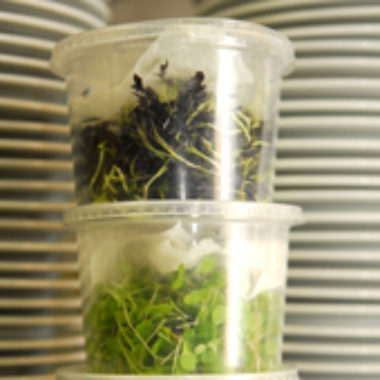
DIY: You can get kits to grow microgreens at home, or just pick up a lettuce mix (try a mix that is spicy or tangy) and recycle some deep plastic takeout or pre-cut lettuce containers. Poke a few holes in the bottom for drainage (use the container’s lid as a water catch) and fill with container mix or seed-starting mix to within 1 inch of the top. Then sprinkle on a layer of seeds, giving them about 1/8 to 1/4 inch between each other, and cover the seeds with a thin layer of soil. Place in a sunny window and keep the soil moist. In only a couple of weeks they will be large enough to cut and enjoy! Have fresh microgreens all winter by starting multiple “crops” a week or two apart and replanting after each one is harvested.
Nutrition: There have been claims that microgreens are the newest “superfood,” but these claims have not been backed up by scientific studies since microgreens are a relatively recently developed food (only since the 1990s). It’s most likely that microgreens will have similar nutritional profiles to the food it is—lettuce, beet greens, arugula, mustard, etc.—but in smaller quantities since they are not mature.
Related Stories
Cooking Fresh with Salad Greens
Local Eating with Spring on the Horizon
More Stories With Microgreens

Edible in your mailbox
