

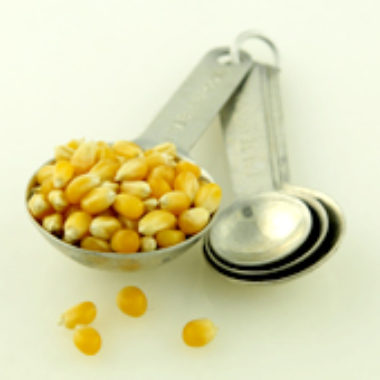
Popcorn
Cooking Tips
- Use a heavy-bottomed, nonstick pot. On high heat, heat any cooking oil (try an interesting flavor such as sesame or coconut) or ghee (clarified butter that will not burn) and add enough popcorn to coat the bottom of the pan in one layer. Alternate between heating and shaking until you see the first kernels pop. Then put on the lid and continue alternating between shaking and heating until the popping nearly stops. Don’t wait until it’s completely stopped or you risk burning the popcorn. Pour in a bowl, add seasonings and enjoy!
- Adding butter to home-popped popcorn can make it soggy. Opt for simply salt. Or if you must have more flavor, choose a flavored powder.
Details
Popcorn comes in an interesting array of colors, from the usual white and yellow to even red, blue or black, though they all come out white when popped. Pass up the packages of “movie theater style” popcorn and pop your own with just a pan and oil or ghee, or pick up an air popper. If purchasing from a farmer at the market, ask if they tested the batch to see how it popped. Popcorn that is to wet or too dry will not pop well. Visit the link below for tips on “fixing” popcorn that doesn’t pop well.
Growing and drying your own popcorn can be a fun process, but don’t plant where it could cross pollinate with sweet corn. Here are some good popcorn growing and harvesting tips from the Iowa State University Extension.
Nutrition: Air-popped popcorn is high in fiber, low in calories and fat and contains no sodium or sugar, which makes it a great snack that is filling. Beware of adding too much butter, salt or additional flavorings to popcorn.

Edible in your mailbox
