

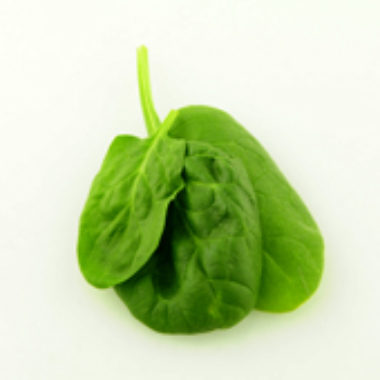
Spinach
Cooking Tips
- Spinach with large, crinkled leaves are hearty and best for cooking. The smaller-leaved Asian types are often labeled as “baby” spinach and are best raw since they are the most tender.
- Add crinkled spinach to soups along with kale, escarole or chard.
- Replace lettuce with spinach on sandwiches for a vitamin and mineral boost.
- Sauté a small diced onion in a Dutch oven, then add a couple handfuls of spinach, ½ cup of uncooked rice, ½ cup of dice tomato, garlic, salt and pepper, then 1 cup of water. Cover and simmer for 1 hour.
Details
Spinach is a cool season plant which will grow a crop in spring and then again in fall. In summer, the hot weather can make the leaves bitter. Spinach is hardy and very nutrient dense, so it is a much-preferred option over head lettuces like iceberg which are mostly water. Don’t be turned away by the occasional hole found in a spinach leaf—this is a good sign the spinach was grown organically. Spinach is on the Environmental Working Group’s “Dirty Dozen” list of foods that show the most pesticide residues, and choosing organic reduces your exposure to dangerous chemicals in food.
Studies have shown that spinach has cancer-blocking abilities, will lower blood cholesterol and high antioxidant contents that preserve eyesight.
Nutrition: Spinach is lauded as a nutritional powerhouse with dietary fiber, 80 to 100 percent daily value of vitamin A, 32 percent daily value of folic acid, 20-40 percent iron (female vs. male), and between 10 to 20 percent each of magnesium, potassium, riboflavin, vitamin B6 and calcium. Whew!
Related Recipes

Bacon, Egg & Cheese Sourdough Sandwich with Overwintered Spinach
Spring 2023
Pizza with Green Garlic Pesto
Spring 2020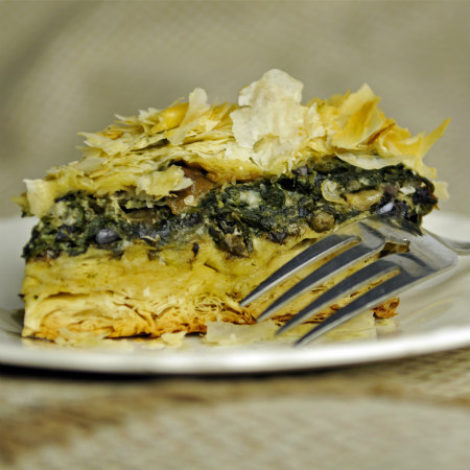
Spinach and Caramelized Onion Filo Pie
Winter 2018More Recipes With Spinach
Related Stories
Cooking at Home: Pizza with Green Garlic Pesto
Local Eating with Spring on the Horizon
What’s in Season: June
What’s in Season: May
More Stories With Spinach

Edible in your mailbox
