

Swiss Chard
Cooking Tips
- Avoid eating chard raw. The oxalic acid it contains can upset the GI tract and block absorption of iron and calcium. Cooking neutralizes the acid.
- Add leaves and stems to soups along with some kale and spinach.
- Use steamed leaves to wrap meats dolma-style
- Parboil the stems, then simmer in a stock until tender, or batter them and pan-fry until crunchy.
Details
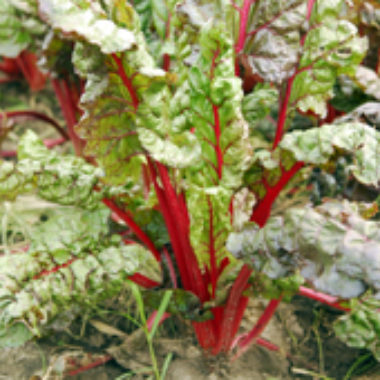
Related to beets, chard was originally bred for its leaves--and they are nutritionally on the same high level as beet greens—but the stems are edible too. No one seems to know why “Swiss” was added to the name—most sources say that the Italians and the French have had the most influence on the cooking uses for chard. Its history dates all the way back to ancient Babylon, so if it needs a prefix, maybe it should be called Babylonian chard.
Due to its tendency to soak up excess nitrate in conventional soil doused in nitrogen fertilizers, which then turns into cancer-causing nitrites in the human digestive system, it’s best to choose organic chard.
Nutrition: A half-cup serving packs 1/3 the daily value of vitamin A, 1/4 daily value of vitamin C and magnesium, and a good amount of potassium, calcium and iron.
Related Recipes

Torta di Riso with Swiss Chard
Spring 2020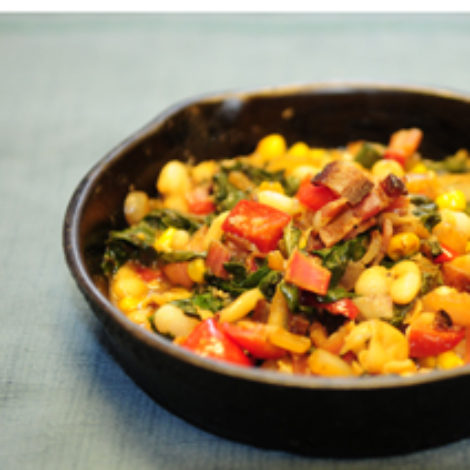
Southern-Style Chard & Beans
Summer 2012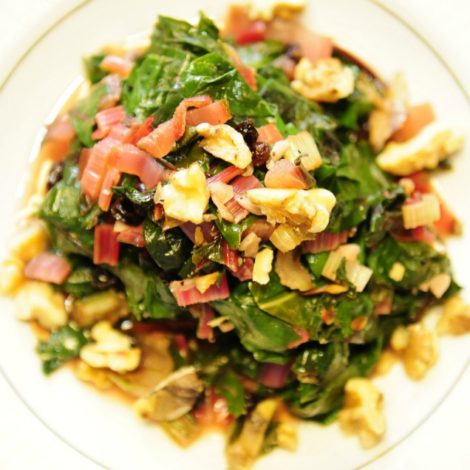
Wilted Chard with Dried Currants & Nuts
Summer 2015More Recipes With Swiss Chard
Related Stories
More Stories With Swiss Chard

Edible in your mailbox
