

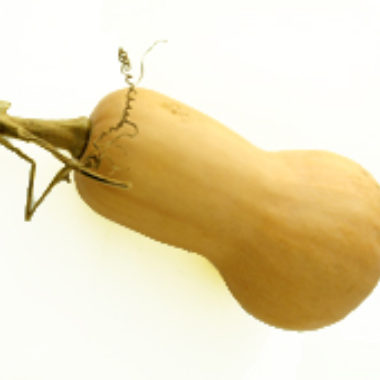
Winter Squash
Cooking Tips
- They can be baked whole by poking a few holes through them so they don’t explode. Or cut in half, hollow out the seeds and bake flesh side down in a pan with a little water. Adding aromatic seasonings to the squash before baking will lightly infuse those flavors into the flesh.
- Pumpkin seeds aren’t the only ones that can be toasted. Rinse the seeds, coat in oil and desired spices (salt and pepper, garlic, onion, cayenne, or curry are all tasty options), and spread in a single layer on a baking sheet. Bake on a low temperature until the seeds begin to pop.
Details
“Winter squash” refers to a wide range of cool weather squash, pumpkins and edible and decorative gourds. The best varieties will have smooth flesh with sweet, nutty flavors that caramelizes well when roasted. While butternut is the most commonly eaten, other colorful squashes (which many mistakenly believe are solely decorative) are also quite flavorful. Try a lovely carnival or delicata, or have fun pulling the stringy flesh from a spaghetti squash—which, as its name suggests, makes a nice tasting and healthier substitute for pasta.
Fun fact: The word squash comes from the Narragansett Indian word asquutasquash.
Nutrition: One cup of squash contains 150 percent daily value of vitamin A, as well as 30 percent DV vitamin C, 25 percent DV potassium, and many other trace vitamins and minerals.
Related Recipes
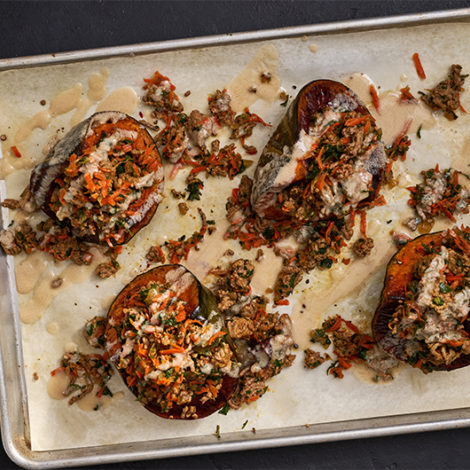
Lamb and Herb-Stuffed Roasted Squash
Winter 2024
Agnolotti Alla Zucca (Pasta Stuffed with Squash)
Fall 2022
Chicken Enchiladas in Mole Amarillo
Fall 2022More Recipes With Winter Squash
Related Stories
Travel the World with Winter Squash
(Video) Chef Giovanni Shows Us How to Make Agnolotti
Ode to Butternut Squash
Hot Combo: Chiles & Winter Squash
More Stories With Winter Squash

Edible in your mailbox
