

DIY Yogurt
Yogurt is easy to make from scratch if you know a few special tricks!
Ingredients
1 qt. whole milk (use regular pasteurized, not ultra-pasteurized)
4 Tbsp. live-culture plain yogurt
Equipment
Food thermometer
2 pint-size Mason jars with lids
2 quart-size Mason jars with lids
1 picnic cooler (large enough to hold all four jars)
Cheesecloth (optional)
Strainer (optional)
Directions
Heat milk in a saucepan over medium flame. Monitor milk temperature with a thermometer; when it reaches 185 to 190 degrees, turn off heat. This won’t take long, so keep an eye on it. Let milk cool to 110 to 115 degrees. Meanwhile, bring a large kettle of water to boil, then keep it over lowest heat
When milk has cooled to the proper temperature, whisk the starter yogurt into it. Ladle the mixture into pint jars and secure lids snugly. Fill quart jars with the simmering water and secure lids. Place all jars in cooler and cover it tightly. Place in a warm spot—even cover with a blanket for extra warmth. Don’t move or disturb this setup while the yogurt ferments for 8 to 12 hours (the longer the fermentation period, the thicker and tangier the yogurt).
Once it’s done fermenting, chill the yogurt (this will thicken it even more). It will keep in the refrigerator for at least two weeks. Homemade yogurt will be mildly tart and will become more tart over time. When you open a jar, you’ll see a milky liquid around the yogurt—this is the whey and it’s delicious and good for you. Drink or add it to soups, rice dishes or smoothies.
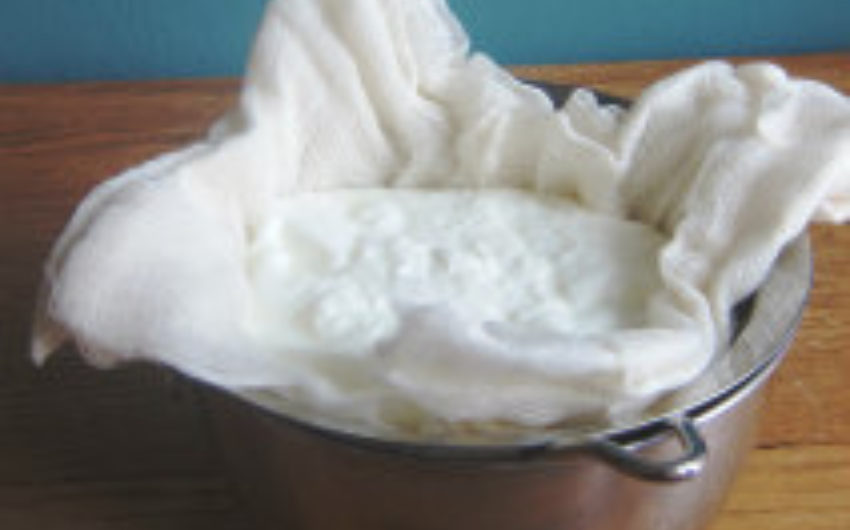
To make thicker, Greek-style yogurt: Place yogurt in a cheesecloth-lined strainer and set this over a bowl to drain off more whey for a few hours. (Or tie the ends of yogurt-filled cheesecloth around a skewer and hang it over a pot.)
To make yogurt cheese: Drain off the whey even longer—say, overnight in the fridge. Beat in some salt plus fresh herbs, grated onion or other savory add-ins for a thick, rich spread to go on crackers, crostini or bagels.
Suggestions
When it comes to dairy, fresh is best, so make your yogurt soon after you purchase the milk for it. And go organic if you can. Yogurt made from the milk of organic, grass-fed cows offers bigger health benefits than the milk of grain-fed, confined animals. As for equipment, make sure everything is clean, especially the pint jars and lids—wash in hot, soapy water, rinse with hot water and let air-dry. (Only good bacteria are invited to this party.)
More Recipes by This Author


Edible in your mailbox
