

Elderberry Fruit Leather
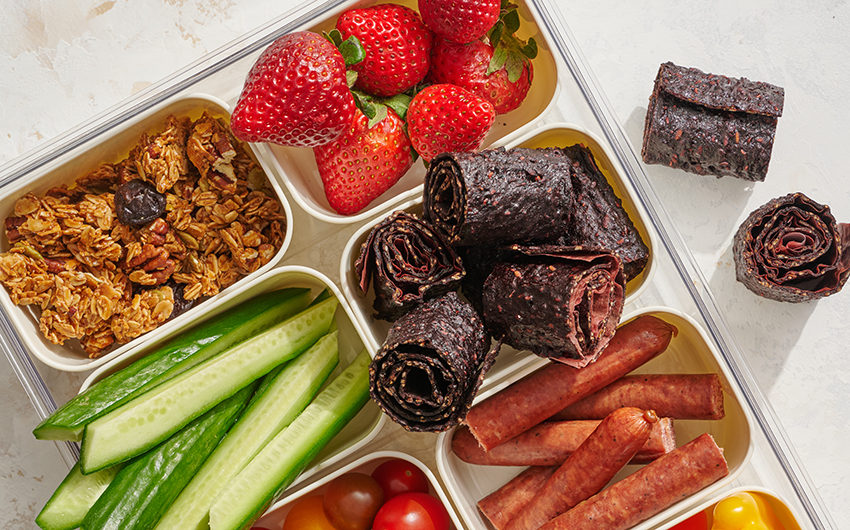
Dried fruit is one of my favorite things to dehydrate, as it captures the goodness of summer fruits while creating a mess-free, long-lasting snack all year. Simple dried fruit is great, but fruit leather is a wonderful way to dry fruit as well, and so nostalgic for us ’90s kids. Throw it in a lunchbox, backpack or “snackle” box along with other goodies like jerky, nuts, cheese and crackers for a chewy, fruity treat that adds nutrition and flavor to your next adventure. I use elderberries here to add an extra boost of antioxidants and immune support, but you can make this recipe all your own using what you have on hand.
Ingredients
½ cup fresh elderberries (or dried and reconstituted)
2 tablespoons gelatin powder plus 4 tablespoons water (optional)
2 cups fresh raspberries
2 cups fresh strawberries, hulled and quartered
4 tablespoons honey
Juice of 1 lemon
Directions
Place the elderberries in a small saucepan and cover with water. Over medium heat, let the berries simmer for 8 to 10 minutes. Set aside to cool.
Mix the gelatin powder with 4 tablespoons of water to dissolve.
Place the elderberries, gelatin and the remaining ingredients in a blender and puree until very smooth. If the mixture is too thick to blend, add a small splash of water.
Prepare the dehydrator sheets by lining them with parchment paper or silicone mats (some dehydrators have mats made for recipes like this). This recipe should make 2 trays.
Spread the fruit puree onto the prepared trays, creating a thin, even layer.
Place the filled trays in the dehydrator on the “fruit” setting, or setting close to 140 degrees F. You can dry at a lower temperature for more nutrient preservation, but it will just take longer to dry. Dehydrate for 8 to12 hours, depending on your machine, until dry and sticky.
Remove and slice the fruit leather into long strips, including the parchment if using, then roll into long fruit rolls. Transfer to an airtight container until ready to use; these can be frozen for several months as well.
Suggestions
• If you do not own an electric dehydrator, this can be done using a solar dehydrator for 1 to 2 days or in the oven on its lowest setting on a parchment-lined baking sheet for 3 to 8 hours, depending on your oven temperature.
• To reconstitute elderberries, soak them in water (¾ cup of water per ½ cup of elderberries) for 8 to 12 hours in the refrigerator.
• Other types of fruit that can be used: aronia berries, peaches, plums, apples (these should be cooked and cooled prior to blending), pears, mango, pineapple, strawberries. Fruits with thick peels do best when peeled prior to blending and fruits with seeds such as raspberries can be strained after blending to remove seeds if preferred.
Books and resources to get started: The Beginner’s Guide to Dehydrating Food by Teresa Marrone; The Ultimate Dehydrator Cookbook by Tammy Gangloff; Preserving Everything by Leda Meredith; Mastering Food Dehydration by Hector Rend; Complete Dehydrator Cookbook by Carole Cancler; Preserving Food Without Freezing or Canning by The Gardeners and Farmers of Tierre Vivante; Freeze-Drying the Harvest by Carolyn Thomas; Freeze-Drying Master’s Cookbook by Sandrine Kelly
More Recipes by This Author

Edible in your mailbox
