


If you’re not up for making your own kombucha, an ancient fermented tea drink, the women behind Madison’s NessAlla are happy to oblige.
Imagine that two beautiful women approach you and tell you they possess the recipe for an ancient elixir that can make you feel better, give you more energy, enhance your immune system, and maybe even leave you with less gray hair.
If it sounds like the stuff of fairy tales, think again. The women exist, and so does the elixir. It’s called kombucha—a tangy, effervescent drink made from fermented tea. And the Madison women who brew it in a sun-filled kitchen on Winnebago Street are Vanessa Tortolano and Alla Shapiro, the ladies behind NessAlla kombucha.
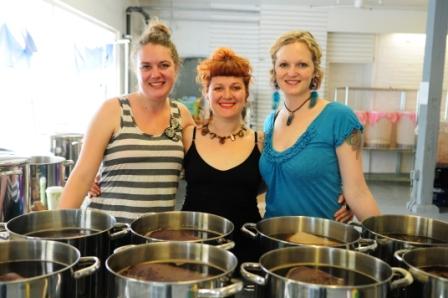
They have dubbed themselves the “Kombucha Queens of the Midwest,” and for good reason. In the four years that NessAlla has been in business, it has gone from selling individual bottles of kombucha at the Madison East Side Farmers Market to distributing it by the caseload in four states. They still sell at the market, though, where they love connecting with members of the community. You can spot Alla by her curly red hair, and Vanessa might be singing (she has a background in the performing arts).
“There’s a lot of flying and jumping happening,” says Vanessa of the company’s rapid growth. “But if it wasn’t for the community, we wouldn’t be where we are.”
Kombucha has grown in popularity in recent years, both in Wisconsin and in the rest of the country; but the women of NessAlla insist it isn’t just a fad. “It’s been around for a long time in a lot of cultures,” says Alla. “Fermentation is a way to preserve food and get nutrients, especially in colder climates.”
Alla is originally from Russia, where her grandmother used to make kombucha, known there as “tea kvass.” When Alla and Vanessa were perfecting their own kombucha recipe, Alla’s grandmother would weigh in with her opinion.
Alla laughs as she imitates her grandmother. “She would say, ‘No, this is not it.’” Finally, the ladies were able to come up with a brew that satisfied even Alla’s Russian grandmother, and with that monumental task accomplished, they knew they had a recipe for success.
Legend and Lore
No one really knows the origins of kombucha. One legend attributes it to a fifth-century Korean doctor, Dr. Kombu, who purportedly brought a fungus to Japan to aid in healing the Japanese emperor. The fungus was then named Kombu-cha (“cha” means tea in Japanese) to honor the doctor.
Another theory traces kombucha back to third century China where it was consumed for its health benefits and referred to as the “remedy for immortality.” Practitioners of Chinese medicine still tout the benefits of kombucha, claiming that it aids the stomach in digesting food and assists the spleen in delivering optimal nutrition to the body.
Written records in Russia and Ukraine document extensive use of kombucha as a home remedy, starting in the 19th century and then decreasing in popularity around World War II due to rationing of food, particularly sugar, which is an essential ingredient for brewing kombucha.
Brew it at Home, or Leave it to the Pros
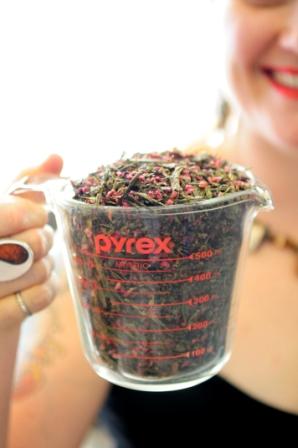
If you are sold on the benefits of the “booch,” as Vanessa and Alla call it, and want to try making it at home, it can be done with just a few simple ingredients. You probably already have access in your kitchen to the three main components— tea, sugar, and water. Any type of tea can be used, but common choices are green, black, or oolong.
The final two ingredients are less common. To get the process of fermentation going, you’ll need some starter liquid, which is just a fancy way of saying kombucha that has already been brewed. You’ll also need a SCOBY, which stands for “symbiotic colony of bacteria and yeast.” You can often find a SCOBY inside a store-bought bottle of kombucha. It’s the slimy blob floating near the bottom of the bottle. The SCOBY isn’t pretty, but what it lacks in looks, it makes up for in nutrients. The SCOBY packs high concentrations of vitamins B and C, as well as probiotics and beneficial acids.
Once you have your five ingredients: water, tea, sugar, starter liquid, and a SCOBY, you can start the process of home-brewing kombucha (see end of this article for directions). If, however, the thought of a SCOBY makes you squirm, and you’d prefer to leave the brewing to the professionals, then Alla and Vanessa are happy to oblige. NessAlla is the only commercial kombucha producer in southern Wisconsin. Orders are filled as they come in, so if you buy a bottle of NessAlla kombucha at a grocery store or restaurant, it was probably brewed no more than two weeks earlier, and may even have been delivered by Addie Greenwood, NessAlla’s operations manager, in a patchwork-painted Subaru they call the “Art Mobile.”
Go Wild
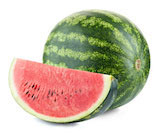
The process of making kombucha is relatively simple, so Vanessa and Alla sometimes add seasonal fruits, edible flowers, and herbs to create variety in their flavors. They have been known to go wild on occasion—“wild crafting,” that is. In holistic medicine, wild crafting is the practice of harvesting herbs and other medicinal plants in their native habitat. Using local ingredients, NessAlla has offered limited quantities of specialty flavors, such as lindenflower, elderberry, rhubarb, and watermelon. Alla and Vanessa brainstorm constantly about what flavors they will offer next.
People often ask the women of NessAlla about the alcohol content of kombucha. Kombucha has trace levels of alcohol, between approximately 0.03 to 0.05 percent—about the same amount of alcohol that can be found naturally in a ripe banana or a glass of fresh-squeezed orange juice. In other words, if you’re looking for a buzz, kombucha isn’t the way to go. Unless, of course, you add alcohol to it.
Some local bartenders have done just that, designing cocktails that feature NessAlla’s creations. The Green Owl on Atwood Avenue in Madison makes a signature cocktail by combining kombucha with Yahara Bay vodka. Bartender Matt Young of Merchant mixes up a concoction called the Jean Grey, featuring lemon juice, earl grey syrup, egg whites, and lemongrass kombucha.
Alla recommends making modified mimosas by mixing champagne with kombucha instead of orange juice. “If you’re going to mix alcohol with something,” she says. “It might as well be something that detoxifies your liver.”
East Into It
If you’ve never had kombucha before, it’s best not to guzzle down a whole bottle in one sitting. Those who are not acclimated to kombucha’s beneficial bacteria and yeast may experience mild digestive discomfort if they drink too much too fast. Vanessa recommends starting off with no more than four to eight ounces of kombucha per day, followed by a lot of water to help the beverage do its job of flushing toxins from your system. “Listen to your body,” she says. “And figure out what amount your body craves and will tolerate.”
Different people claim to experience different effects from kombucha and, since the Food and Drug Association has not weighed in on the topic, hard data on its benefits is hard to come by. That doesn’t seem to bother Alla and Vanessa, though. Debate is part of kombucha’s long history. Even its roots are disputed. But whether you consider kombucha a miracle elixir or just a refreshing beverage, one thing is certain: at the rate NessAlla is filling orders, you’ll be seeing a lot of it this summer.
Continue reading to learn how to brew kombucha at home!
How to Brew Kombucha at Home
Recipe and Instructions by NessAlla
Ingredients
- 12 cups water
- 1 cup sugar
- 6 tea bags, or 5 Tbsp. loose tea
- (black, green or oolong is recommended)
- 1 to 2 cups of “starter liquid” (i.e., brewed kombucha)
- 1 SCOBY (symbiotic colony of bacteria and yeast) found in a purchased bottle of kombucha or received from a homebrewer
Materials
- Large pot for boiling water
- 1-gallon glass jar or other non-reactive container
- Cloth to cover container
- Rubber band
Instructions
1. Boil twelve cups of water in a pot and add one cup of sugar. Allow the sugar to dissolve and then boil the mixture for an additional five minutes. Add the tea and allow it to steep at room temperature for anywhere from an hour to overnight.
2. Place a SCOBY and starter liquid into a gallon-sized glass jar or other non-reactive container. Add the tea mixture to the container. (Note: Make sure all ingredients are at room temperature at the time they are combined.) Leave about 2 inches of space at the top of the jar for air circulation and a new SCOBY to grow.
3. Cover the container with cloth and secure the cloth with a rubber band. Allow the liquid to ferment on a countertop for seven to ten days. The longer the fermentation process, the more tart the kombucha will become. After the kombucha has fermented, you can enjoy it right away or store it in the refrigerator for up to seven months. Save the SCOBY in 1 to 2 cups of starter liquid for the next batch.
If you have any doubts about the process of making kombucha and need a little more guidance, starter kits can be purchased from NessAlla through their website at www.nessalla.com.
More Stories by This Author

Edible in your mailbox
