


A new processing project encourages REAP Food Group’s latest initiative to bring regionally grown foods to local institutions.
If you ask what it would take for REAP Food Group to close the door on its two-plus decades of work in the local food movement, this is what you’ll get. “When the day comes that the food that fuels us improves our well-being, sustains and protects our land and water, and the money from it gets reinvested in our local economy, then our work here will be done,” said Helen Sarakinos, REAP Food Group’s executive director.
It’s a tall order to fill, but the Madison-based nonprofit has slowly been chipping away at it for more than two decades with programs and projects aimed at youth and consumer education, building markets for farmers, and transforming school lunch. And they love to throw a good party.
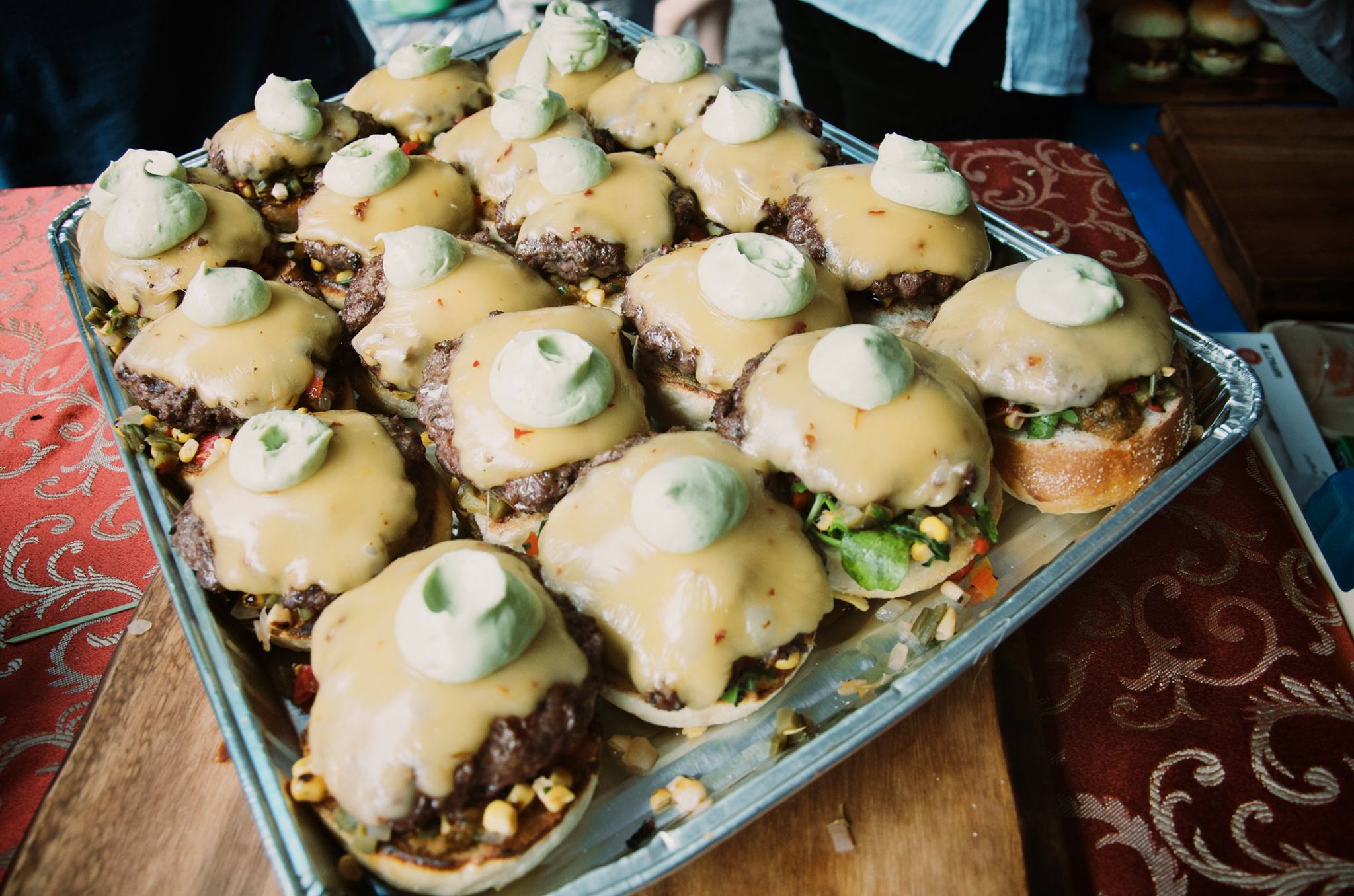
Perhaps you’ve been to their annual Burgers & Brew event, a weekend celebration at Capital Brewery that pairs local chefs with Southern Wisconsin farmers and brewers, spurring tasty, locally sourced burger and beer pairings. Or maybe you’ve picked up a copy of their Farm Fresh Atlas, a comprehensive guide to regional farms, farmers markets, organizations and restaurants supporting food that is sustainable, local, equitable and humane. With the flip of a few pages, you are just one step away from meeting your next local egg, meat or produce supplier.
Both are tangible examples of REAP’s vision for a good food movement not just in Southern Wisconsin but throughout the state.
“When it comes time to buy groceries or to dine out at a local establishment, we want it to be second nature for people to think of supporting sustainable Wisconsin farms, whether that’s buying directly from the source or buying from a restaurant that does,” Sarakinos said.
On a grander scale, they want your healthcare facility, school and employer to do the same. Using food as medicine is “not a fringe idea anymore,” National Public Radio stated in a 2017 article that described how the movement in California is being incorporated into the healthcare system with programs like “Shop with Your Doc.” While REAP Food Group isn’t sending anyone’s physician into the cereal aisle with them, the organization is doing the foundational work of connecting local institutions like UW Health, UW-Madison Dining and the Madison Metropolitan School District (MMSD) with local farmers and producers to increase the amount of local and sustainably grown produce used in their meals. In 2018, REAP helped MMSD procure more than 113,000 pounds of local produce for its school snacks and meals, which amounted to approximately $140,500 spent.
Why is this important? Since institutions feed many people across the economic spectrum and because bigger buyers need bigger producers, REAP helps the institutions connect with so-called “ag of the middle” farms. Many of these mid-sized farmers and ranchers in Wisconsin are large enough that they can produce the quantities institutions need and that their use of sustainable farming practices can have a measurable impact on protecting resources, yet they are also small enough to be drivers of economic growth in rural areas.
In July, REAP launched a vegetable processing pilot project that will further bridge the gap between local farms and institutions by providing tools and labor that so many local farmers need in order to begin selling to large customers like UW Health, MMSD and UW- Madison Dining (see page 33). At the end of the day, it comes back to growing potential for farmers to thrive, children to learn, and clean water and healthy soil to flourish.
“The beauty of REAP’s vision is that it’s deeply hopeful,” Sarakinos said. “We’re laying out a vision and a pathway to a future where our food is delicious and healthy, it supports our rich agricultural heritage, and it helps mitigate pollution and climate change. What’s not to love about that?”
Naturally, REAP Food Group’s work necessitates reaching and teaching generations that will one day be faced with making their own decisions about the food they eat. Will they seek out opportunities to buy fruits and vegetables from their source? Will they have the skills to turn those foods into a delicious, nutritious, home-cooked meal? And when they decide to spend their hard- earned money on a meal at a local restaurant, will they go to an establishment that puts its purchasing dollars toward the farmers and producers in their community?
Through REAP Food Group’s Farm to School Program partnership with the Madison Metropolitan School District (MMSD), the nonprofit aims to answer all of the above questions in the affirmative. For the past decade, REAP’s Farm to School team has been reaching and teaching Madison’s next generation of healthy eaters through nutrition and agriculture education and by inviting guest chefs and farmers to lead hands-on lessons in Madison schools.
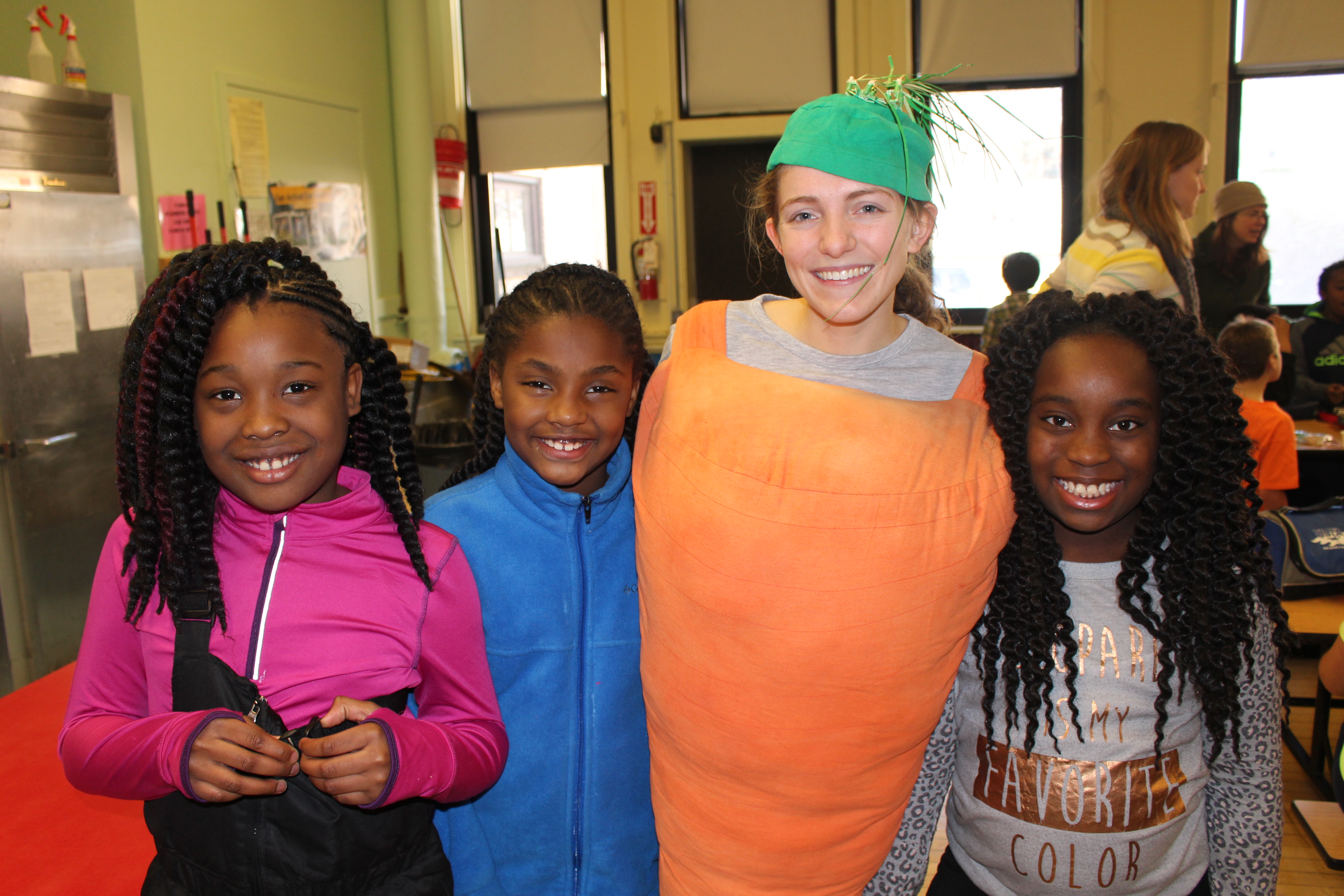
The exposure isn’t just educational, it’s tasty, too. REAP’s Farm to School Snack Program serves a weekly, locally grown fruit or veggie snack to more than 300 classrooms in 12 Madison elementary schools, and its Uproot by REAP food truck delivers a tasty alternative to school lunch directly to campus, with locally sourced meals that students can buy with their school lunch account.
When the final school bell of the year rings, REAP then sets its sights on keeping students who rely on school meals fed. Partnering with the City of Madison, MMSD and other community organizations through the Summer Food Program, the Farm to School team hosts two park sites (this year, Leopold and Southdale) for kids and their caregivers to enjoy free meals and engaging activities.
“Our food systems intersect with so many aspects of our lives: personal and public health, economic development, education, environment and culture,” said Haley Traun, REAP’s Farm to School education coordinator. “Which is why REAP is passionate about fostering opportunities for students and families to engage with good food. Farm to School programming enriches the connections that students and communities have with fresh, healthy foods from local producers, while in turn providing us with the opportunity to learn about the intricacies of what is needed to reach more people with food literacy tools in meaningful and impactful ways.”
Farm to School is yet another way REAP Food Group is securing a dedicated future for the good food movement.
It’s a Monday morning in July at Madison College’s Truax Campus. A low hum of activity and the occasional darkened room emphasizes summer break. But beyond the shadows of Diane’s Delicious Diner—a simulated restaurant environment where culinary arts students put lessons into practice during the traditional school year—a six-person crew dons white chef coats, baseball caps and bandanas in preparation for their role in one of REAP Food Group’s most ambitious projects of its 22-year history.
With chef knives, cutting boards and 800 pounds of broccoli before them, they get to work washing, chopping and bagging this fresh, locally sourced produce for its final destination in the cafeterias at UW Health, UW Dining and the Madison Metropolitan School District. At the helm of the operation—simultaneously chopping vegetables and tracking a shipment of local cauliflower—is Brianna Fiene, REAP’s farm to business director.
The motive of this new processing project is simple: to increase the amount of local, sustainably grown produce purchased from Wisconsin farms and served to the people who use Madison’s schools, universities and hospitals. But getting there has involved much more than some heads of broccoli and a few chef knives.

Since joining REAP in September 2018, Fiene has plunged into the depths of institutional purchasing and local markets. She is tasked with overseeing REAP’s solution to a persistent financial, physical and regulatory barrier local farmers face in supplying produce to large-scale buyers.
“Small farms in Wisconsin lack the capacity to wash, chop and bag fresh, local produce to supply institutional buyers,” Fiene said. “Likewise, anchor institutions like hospitals, universities and schools also lack the capacity to process fresh, locally grown produce. They are limited to purchasing pre- processed items from outside of the state while our own Wisconsin farmers struggle to establish local markets.”
REAP’s project serves as a conduit between Southern Wisconsin’s sustainable, family farms and three of Madison’s largest institutions. Collectively, UW Health, UW Dining and Madison Metropolitan School District serve approximately 39,000 meals daily to students, hospital patients and staff. That volume represents a significant market opportunity for local farmers, especially in light of losing more than 630 Wisconsin family farms last year. In 2019, the project’s first year, these partner institutions have committed to purchasing more than $100,000 worth of value-added produce.
Those dollars will stay as local as the produce. REAP is working with grower cooperatives that represent more than 75 sustainable family farms within 150 miles of Madison.
But it’s not only the food, institutions and farms that are local. Although REAP Food Group was the catalyst for the project, it was given life through the generosity of Southern Wisconsin’s people and businesses. This generosity was on full display last March, when 89 donors put their charitable dollars toward a strong local food system by supporting REAP’s The Big Share fundraising campaign to launch the processing initiative.
The Big Share is an annual online giving day organized by Community Shares of Wisconsin. REAP Food Group’s successful $10,000 campaign was buoyed by a $5,000 matching grant from NessAlla Kombucha, REAP’s board of directors and Captains LLC, a Madison-based real estate company.
That community support, coupled with Madison College’s generous donation of production space and the expertise of the area’s local food experts, is at the heart of this innovative project that will further REAP Food Group’s mission to transform communities, economies and lives through the power of good food.

Edible in your mailbox
