

American farmers are getting older and older, and there are fewer and fewer beginning farmers to replace them. Meanwhile, the most ecologicallysound farming methods are being shown to require more time and attention from farmers. It follows that if we want a local food system that builds and protects our natural resources, we need to reverse the trend toward fewer farmers and bigger farms, which has defined the twentieth century in rural America. To accomplish that reversal, a lot has to change, and the first step is to truly understand who is going to be the next generation of farmers and why. We have to catalyze a new awareness of the unique challenges facing beginning farmers across agriculture and re-tool our efforts to help them.
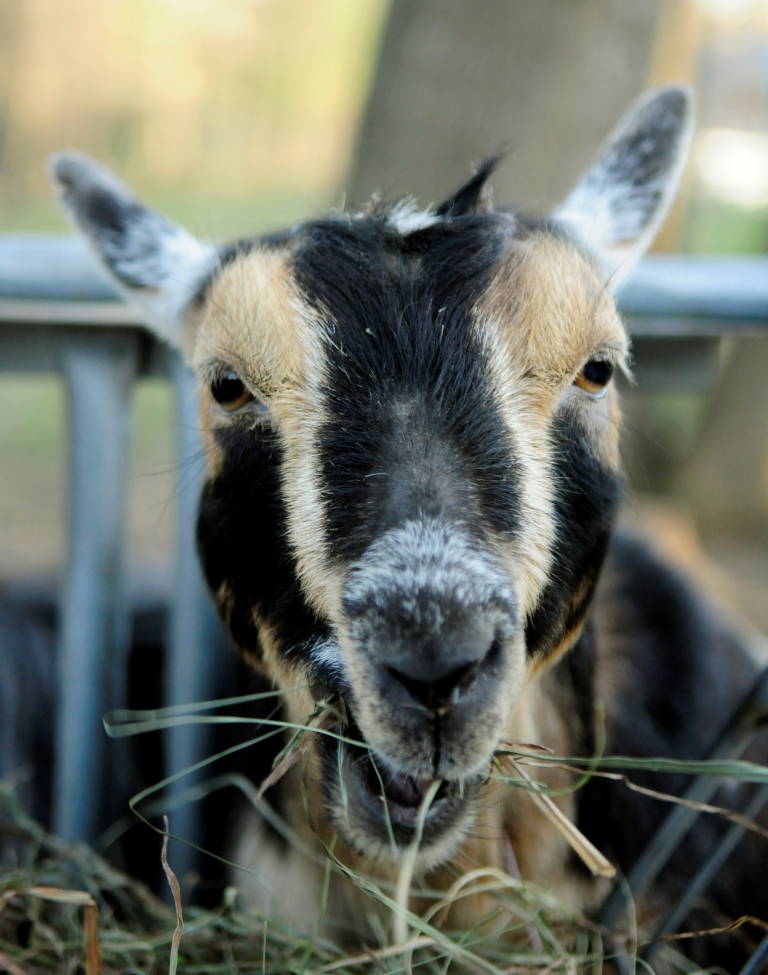
In his 1994 classic, Living at Nature’s Pace, Gene Logsdon described himself as part of a counterculture of “contrary farmers.” This minority of hardworking folks gathered their primary income off-farm and maintained farming businesses on the side. They often faced derision from their neighbors because they weren’t “real farmers,” but their passion was deep and their little farms were prospering. They could start small and find a way to make money off their little farm enterprises without too much risk to their families’ livelihoods.
The power of Logsdon’s insight was in his prediction that the “mega-farms,” often cited by economists as the future of agriculture, would eventually depend on communities surrounded and supported by contrary farmers. Their influx of income and local spending would keep open the grocery stores, gas stations and hardware stores that the whole community required. What he didn’t anticipate (or just didn’t write much about) was how those same mega-farms, and most other farms for that matter, would also depend on contrary farming for their new farmers.
The majority of farmers are now contrary farmers. The 2007 U.S. Census of Agriculture (the latest available) indicates that 55 percent of the 2.2 million “principle farm operators” reported something other than farming as their primary occupation. This compared to 45.3 percent of farmers reporting other occupations in 1992, when Logsden began writing about contrary farmers. If we dig a bit further into the census numbers, we find that among the farmers under age 35, the percentage of contrary farmers rises to 57 percent.
Contrary farmers, beginning or experienced, represent a counter-culture that is quietly revitalizing rural America. They are returning to rural communities against the advice of their peers to settle into a place and recover something lost. Unfortunately, their challenges aren’t yet wellunderstood in our mainstream culture, and as a result, they are struggling to make it work. If we hope to continue to eat, we have to reformulate our definition of farming and prepare the next wave of contrary farmers for the difficulties ahead.
Magic in the Motives
Many folks are probably asking themselves, “What could possess someone to take up farming as a second job?” Well, the trick is it’s different for each person. A beautiful experience might’ve hooked some in childhood. Some are drawn to a high ideal like stewarding a piece of Mother Earth to health and wholeness. For others it’s just a garden that got out of hand. The point is that each aspiring contrary farmer already has a motive inside; they just might not have acted on it yet. Like stoking a dying fire on a freezing night, we all need to encourage their ideas and passions until they overcome the fear and do something about it. One of the biggest challenges for aspiring farmers is shedding their doubts so they can make the first move toward their dream.
There is no doubt that farming is a lot of work. It’s not the easiest sell when you think of careers. But a farmer’s life is peppered with some of the most vivid days you could ask for. The natural beauty, the independence of being your own boss, and the sense of grounding with a place all weave into a tapestry of human emotions that our culture yearns for. In an age of digital exhaustion, cultivating this flame of inspiration is vital.
We need to recast our cultural stance on farming to inspire these people to consider it as a fresh, noble option. We need to remind them how important a job it is. Producing food is the foundation of our civilization. It is primary. In today’s world how often do you get a shot at participating in something with that kind of importance?
Playing Catch-Up
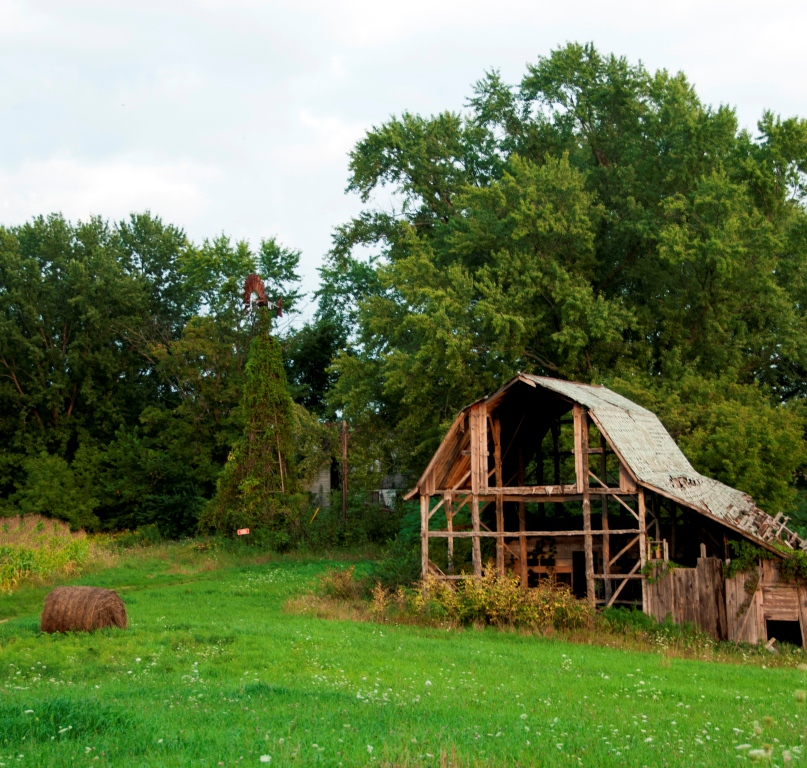
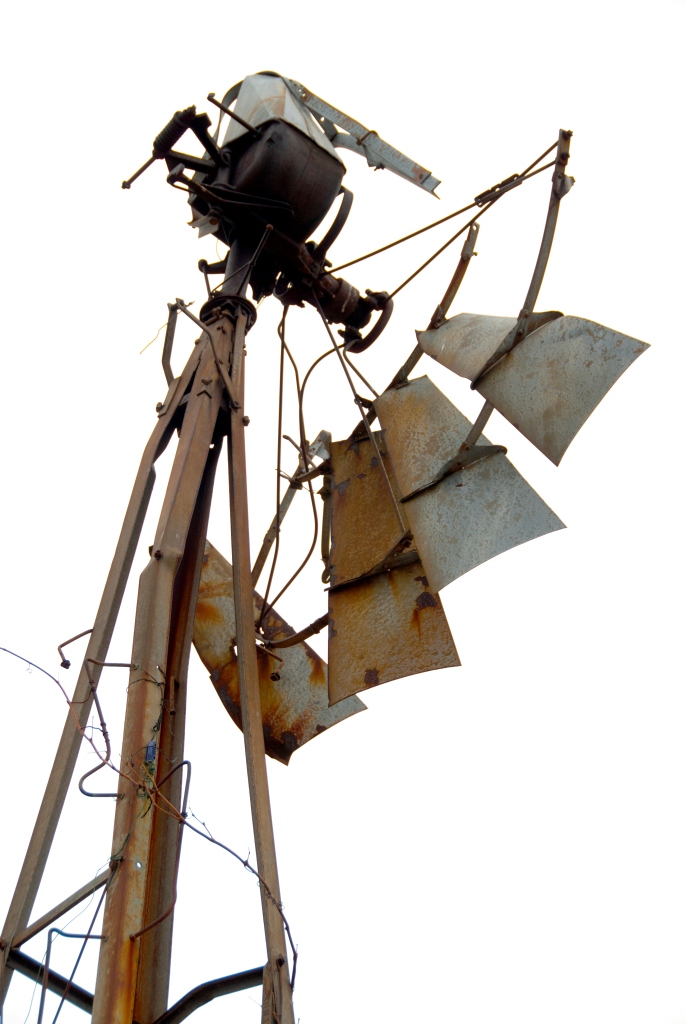
Recently, a short drive through Vernon County led me past three failing barns. These graying, partially collapsed heaps of pine and paint highlight a huge challenge frequently facing the next wave of beginning farmers. Not just because they’ll be without some valuable storage but because those outbuildings are often an indication of the state of even more precious resources. If the sad, old barn is falling in, then the soil, wells, field roads and woodlots have all probably endured the same disrepair. The work and resources necessary to restore some of these places to a semblance of wholeness is Herculean.
Regardless, contrary farmers are pouring their hearts into the task. They bring in money from off the farm, which they then apply to amending the soils and repairing or improving the infrastructure of the farm. For some, their farm business is never intended to provide a full-time income; but for many others, the time at an off-farm job is preparation, biding their time as they slowly develop the carrying capacity of their farm ecosystem and business. It’s an exhausting task, though, and many beginning farmers burn themselves out physically and emotionally before their farmstead is ready to support their family. We have to find ways to responsibly help these farmers catch up on the maintenance backlog.
Re-Finding the Wisdom of Place
In some families, aspiring farmers are lucky enough to have a home farm and a parent from whom they can get advice. They can find out why the middle of the rocky field doesn’t drain like the rest, or what plants will come up just before it’s time to frost-seed the pastures.
Most contrary farmers don’t have this luxury. They are often the first in their families to return to farming, so they have to rely on their own experiences to learn their farm’s personality.
That is to say, they have to make a lot of mistakes.
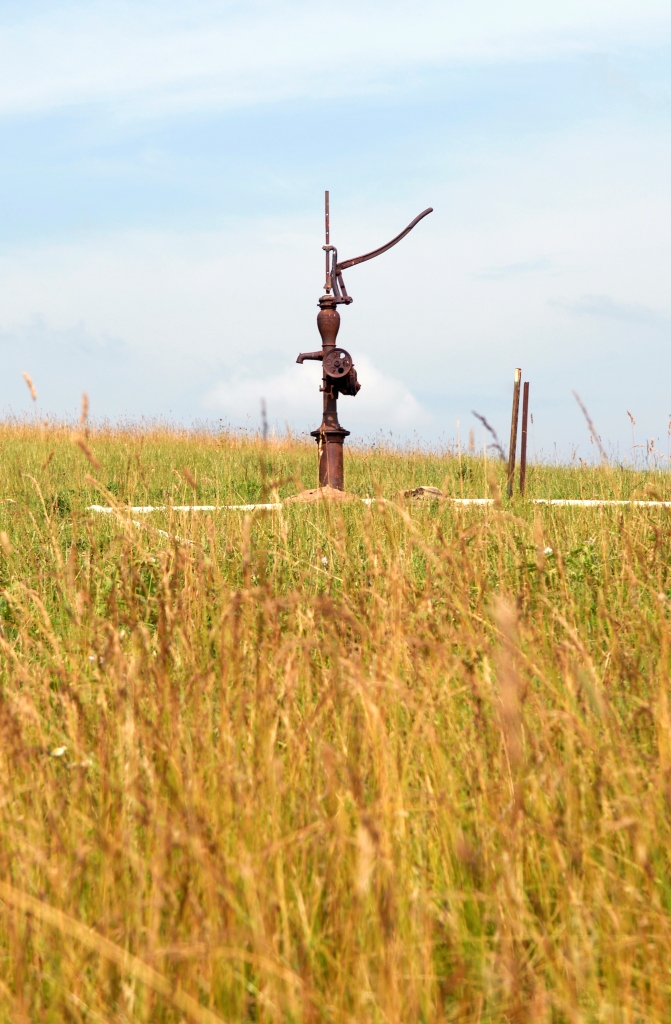
One of the difficulties, and in many ways the tragedy of America’s most recent exodus from rural lands has been this break in the passing down of knowledge about specific places. Not the principles you find in agricultural textbooks, but the rich pragmatic understanding of the place itself. This passing of knowledge from one generation to the next is literally the definition of culture. In some of these places we have lost the culture of agriculture, and the only way to get it back is through time and experience.
This new wave of contrary farmers is finding ways to read the landscape, and they are also innovating in ways no one has seen. Their freshness brings both a serious liability (see large tractor stuck in the mud) and also a great asset in their willingness to try new techniques and experiment with the biology around them. But they also need to run a business, and mistakes are costly. There must be ways to prevent these costly mistakes before they happen or to help see these farmers through them.
How Do We Help?
Seek out a contrary farmer. Go beyond your farmers markets and food cooperatives to support people working to develop and rehabilitate farms. Do you know a lunch lady who always has rhubarb in spring? Support her business and take interest in her passion. It’s amazing what some well-placed interest can do to inspire others. Perhaps you employ a contrary farmer who is working for you as a second job. Give them a day or two off during the fall when they’ve been harvesting all night ahead of a storm.
Beyond finding and supporting individuals there are also options for helping on a larger scale. The USDA Beginning Farmer and Rancher Development Program has funded many inspiring attempts to grapple with some of the challenges highlighted here. One prominent example now coming online in Wisconsin is the Grazing Dairy Apprenticeship program developed by GrassWorks (grassworks.org). This state accredited apprenticeship seeks to train new grazing dairymen and dairywomen in the same way we train carpenters and electricians—through on-the-job training. Essentially, they are trying to get the contrary farmers working in their chosen vocation, rather than at an unrelated, off-farm job. The program’s funding is currently grant-based but should be community-based since the farmers they train will eventually provide our region with meat, milk and other animal products throughout the coming decades.
Ultimately, your attitudes and dollars make a big difference. When you meet a farmer, whether they milk 150 cows or grow a quarter-acre of asparagus, treat them like a celebrity. Ask them what they’re working on at the farm. Remind them why their work is amazing and incredibly important to you. Remember their work before you eat, and remind your kids about it too. Chances are there will be others who notice your actions and mirror them with the next farmer they meet.
Let’s honor the work of all the contrary farmers out there and make a serious effort to inspire their successors.