

Besides Thanksgiving cranberry sauce, this plump scarlet berry doesn’t get a lot of love the rest of the year. That’s a shame because cranberries are rich in antioxidants, store beautifully and add a sour pop to many recipes.
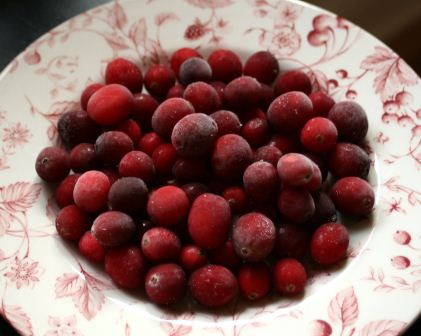
Besides Thanksgiving cranberry sauce, this plump scarlet berry doesn’t get a lot of love the rest of the year. That’s a shame because cranberries are rich in antioxidants, store beautifully and add a sour pop to many recipes. (And I’m not talking about dried berries, which are typically heavily sweetened.)
Wisconsin leads the nation in cranberry production, and peak availability lasts from fall through winter. Cranberries are one of a few fruits native to North America (along with Concord grapes and blueberries) and have been formally cultivated since the early 1800s. However, long before this, Native Americans were mixing the dried berry with meat and fat to make pemmican, a highly-concentrated protein snack that could be stored for long periods of time.
While today’s cooks aren’t whipping up batches of pemmican, most reach for dried, sweetened cranberries to liven up baked goods. But fresh cranberries shouldn’t be relegated to the Thanksgiving table. Raw cranberries elevate sweet baked goods by providing tart contrast and beautiful color.
Although only 5 percent of the total cranberry crop is sold as whole berries, you can still find them in stores, many from local Wisconsin growers.
Think beyond the sauce—substitute fresh cranberries for any berry in your favorite muffin, cookie or cake recipe for a festive winter twist. They also add an exhilarating sour note to breakfast smoothies or make perfect infused vodka. Incorporate them into savory dishes as chutneys or to complement roasted meats—they go especially well with pork or venison.
Stock up! Fresh cranberries freeze flawlessly and can be used for baking straight from the freezer. Wrapped tightly, they will stay fresh for over a year.
Many berry crops have a high pesticide load, and cranberries are no exception. Organic cranberry operations are out there, and I believe they are worth seeking out. Here in Wisconsin you can make arrangements to buy organic berries directly from the farm at Ruesch Century Farm and Sandhill Cranberry.
This wintery Cranberry Orange Curd recipe takes advantage of Wisconsin’s cranberries and our local abundance of butter and eggs, and it will keep for several weeks when refrigerated in a glass jar.
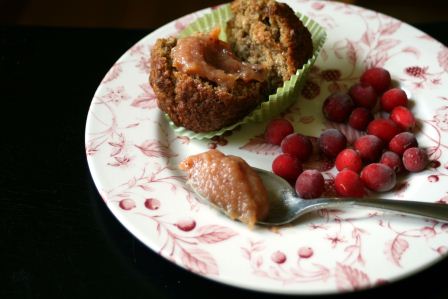
If you haven’t tried a curd before (most commonly made from citrus fruits like lemon and lime), they are a treat. It is a rich, sweet spread that is a perfect topping for toast, spooned into plain yogurt or fruit tarts, or spread between cake layers. It also makes a lovely hostess or housewarming gift.
Featured Recipes

More Stories by This Author

Edible in your mailbox
