


The earliest weeks of spring (when there is an equal likelihood of wearing sandals or a parka) can be an odd time for local produce. Storage crops and root vegetables are still very prevalent but may seem less desirable after months of winter. Meanwhile, most fresh veg is still a month or two away from really flourishing, with the exception of some early spring favorites like ramps and rhubarb.
You’ll see this intersection of winter and spring at indoor farmers’ markets and locally focused grocery stores with hardy storage beets alongside delicate asparagus. While some vegetables like carrots and parsnips may have been growing throughout winter (making for an extra-sweet veggie treat), true storage crops have been harvested in late fall and, if stored in the right conditions, will still be good come early spring. When looking for storage crops late into the season, check for any signs of spoilage like soft spots or musty odors. If you see items like onions starting to sprout, they may be a little past their prime, but they are generally safe to eat. For potatoes, however, small sprouts can be removed from firm potatoes making them safe to eat, but shriveled spuds with sprouts over an inch long should be tossed.
Meanwhile, the first spring ramps and asparagus may be starting to poke through the no longer frozen ground. Both are perennial flowering plants and can often be found paired together because of their similar spring arrival and complementary flavors. Ramps are a foraging favorite close in flavor to spring onions or leeks while asparagus brings fresh and nutty notes. Growing your own asparagus is a practice in patience as it takes three years for the plants to fully mature, but that patience can pay off with a thriving patch for 20 years or more.
Spring is a time to embrace a touch of winter along with the first hints of warmer times to come, and this beet bloody mary recipe does just that. It is a celebration of early spring, combining the sweet, earthy notes of beets carefully stored all winter with bright pickled spring veg—a perfect way to toast the seasons.
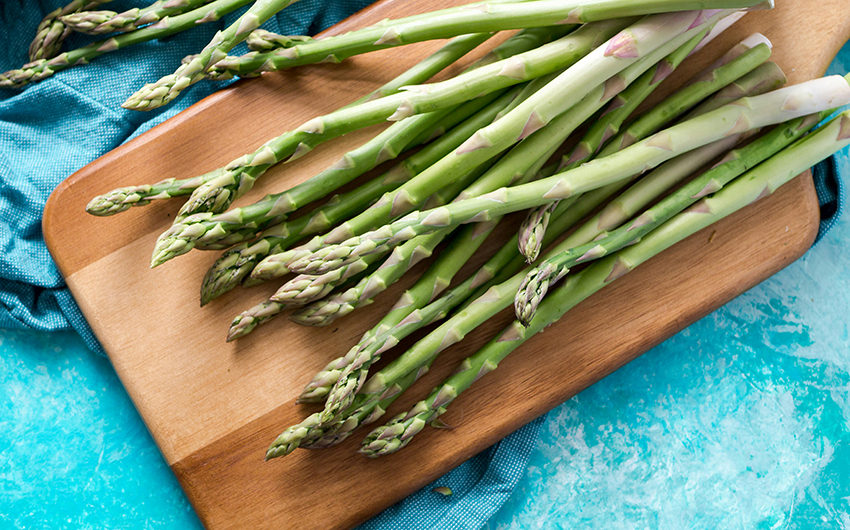
Pickled Asparagus and Ramps
Ramps and asparagus are some of the earliest items to appear in spring. Both are perennial flowering plants and can often be found paired together because of their similar spring arrival and complementary flavors. When pickled, they can be used to garnish this Beet Bloody Mary creating a brunch beverage that embraces a touch of winter along with the first hints of warmer times to come.
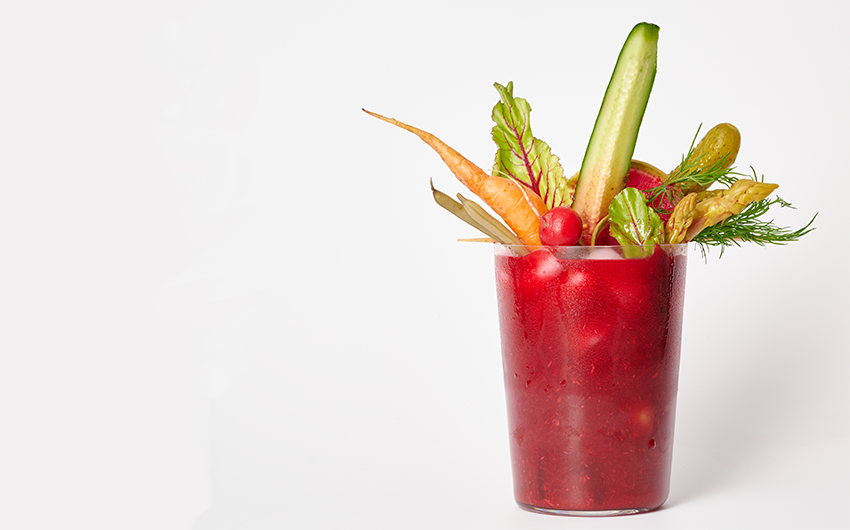
Beet Bloody Mary
When developing this recipe, I hoped to make it as approachable as possible. I wanted to celebrate the storage beets and carrots in my own produce drawer, but also keep things flexible for those who don’t have a juicer. For that reason, there are myriad ways to incorporate beets into this bloody mary. For those who have a juicer, follow the instructions below to make your own beet carrot juice. For those who don’t, buy a 16-ounce bottle of beet carrot juice and substitute that for the homemade juice. And if even that option feels a bit out of reach, you can quickly infuse your own vodka for an earthy hint of beet that still celebrates the season. To do that, combine 8 ounces of vodka with 1 large peeled and diced beet to make enough infused vodka for 4 bloody marys. Leave the mixture to infuse for at least 24 hours.
More Stories by This Author

Edible in your mailbox
