

Registered dietitian Melinda Hemmelgarn, M.S., R.D., reveals the secret to getting kids hooked on good food.
Let Them Grow It,
Cook It, Taste it!
Parents want their children to eat “well,” but the food industry spends close to $2 billion a year marketing high fat, sugary and salty products directly to our kids. What’s a parent to do?
Several years ago I had the opportunity to hear Kentucky farmer, poet and author Wendell Berry speak at the Leopold Center for Sustainable Agriculture in Ames, Iowa. After his presentation, throngs of admirers lined up to have their books signed and shake their hero’s hand. I was in line because I had a burning question.
When my son was in the 5th grade I accompanied his class to a multicultural festival at the University of Missouri. In a sunny courtyard, under a dozen or so crisp white tents, foreign students displayed their cultural heritage through food, flags, art and language. Dressed in their ethnic clothing, the students shared photographs, souvenirs and flavors from their homeland.
I was excited to introduce my small group of inquisitive tenyear- olds to different cultures and show them that the warmth of humanity knows no geographical boundaries. However, one of my young charges was not enthusiastic about tasting the unknown, and as lunch time neared, he asked for permission to walk across the street to go to McDonald’s.
I’m sure the blood drained from my face as I replied in disbelief, “Absolutely not! Where is your sense of adventure?”
Fast forward 15 years. I don’t know if the young man remembers the incident, but to this day I wish I had been kinder, gentler and more influential. And that’s why I needed to talk to Berry.
When my turn arrived, I leaned in and asked, “How can we help children care more about their food?”
Berry paused for a moment. He then replied, “Let them taste it.”
Of course! I bestowed a heap of gratitude for confirming my instincts and stepped aside for the next fan in line.
THE TROUBLE WITH AND A SOLUTION TO MARKETING TO KIDS
In 2005, the Institute of Medicine’s (IOM) comprehensive review of 30 years of research(1) found that food marketing directly targeted at children significantly affects their food preferences, food choices, diet quality and health. Further, the IOM concluded that “food and beverage marketing practices geared to children and youth are out of balance with recommended healthful diets and contribute to an environment that puts their health at risk.”
For example, nearly all food ads viewed by children fall into the following categories: soft drinks and other sweetened beverages, fast food, snacks, candy and cereal.
Parents are told to “just say no” to junk food. But that’s easier said than done in an environment that doesn’t support our children’s best interests. Parents need ideas for helping their children say no. And we need “real” choice in the marketplace, not the choice between two fast food restaurants or four brands of soda.
Berry’s strategy is worth a try. Let children taste “good” food, and they’ll learn to reject inferior products.
In fact, if we teach children how to plant seeds, take care of their crops, then harvest and cook what they grew, they will develop a relationship with and an understanding and appreciation for their food. And that, dear parents, is the secret to beating Madison Avenue marketers. Tasting is the ticket for turning the tide on childhood obesity rates, which have tripled in the last 30 years.
Surely great taste, relationships and a sense of community help explain the explosive growth of farmers markets, and the resurgence of kitchen, community and school gardens.
Culinary exploration and experimentation is the recipe for both curing picky eaters and opening a child’s eyes to the wonderful flavors of real, fresh, local, organic food. Since only 21 percent of youth ages six to 19 eat the recommended five or more servings of fruits and vegetables each day, I’d say it’s time to start trading screen time for green time.
(1)“Food Marketing to Children and Youth: Threat or Opportunity,” Institute of Medicine, 2005.
WANT TO PLAY A GAME?
In addition to the backyard vegetable and herb gardens that nourished and influenced my growing children, I was always on the lookout for fun and inexpensive ways to entertain my kids, especially on chilly, rainy afternoons. So I designed a little guessing game to sharpen their senses of taste, smell and adventure.
I gently blindfolded my children with bandanas, and then had them sniff and sample a variety of different foods in my refrigerator and cabinets.
“Tell me which is the orange and which is the tangerine?” I’d ask. “What makes them different?”
Next we might try a few varieties of apples to taste for subtle differences.
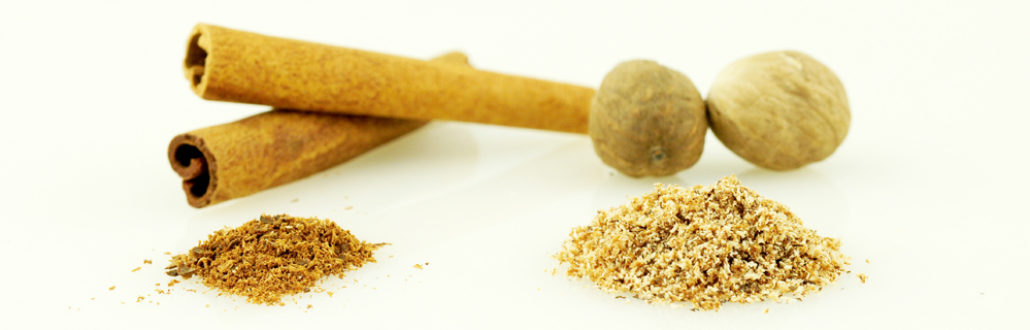
Then came the sniff test: “Cinnamon or nutmeg? Vanilla or almond? Which is the oregano and which is the basil? Did you know we grew both of these in our garden last summer?”
During my children’s grade school years, our tasting experiments became a much begged-for activity. “Blind-fold us, blind-fold us” my little ones would plead. “Let us see if we can tell you what the food is.”
I slipped in prunes, raisins and dried apricots, and we discussed how drying changes one food into another. We talked about where food came from and if we could grow that food in our region of the country. Tasting not only sharpened their senses, it fed history and geography lessons, and it primed the anticipatory pump of spring gardening and cooking together.
Once children learn how to grow and cook their own food, they become more self-sufficient and feel empowered to feed themselves and others. And they understand that good fresh food prepared with loving hands tastes best. Fast food? No thanks!
CHILDREN LEARN WHAT THEY LIVE
Today my two children have gardens of their own and they both love to cook. Most important, thanks to serious discussions around our kitchen table about how and why our food choices matter, they care about where their food comes from, who produced it and under what conditions–from helping us stay well, to protecting our environment and farm workers.
Over the years, I’ve tried to practice what I preach because children learn more from what we do than what we say.
For example, fresh garden produce was always an easy sell at my house. That’s probably because my kids grew up watching me eat it with joy and gusto, hearing sounds of glee coming from the garden as I popped just-plucked peas into my mouth or gathered fragrant basil leaves that we’d later transform into pesto.
Gardening and cooking with children is a tried and true method for helping them develop a taste for the foods that will keep them healthy for a lifetime.
Still, no child is immune to predatory marketing. What do you do when your kids whine and beg for heavily advertised junk food? Consistently and firmly say “no”—and always explain why. For instance, I told my children I wouldn’t buy them fast food because I loved them. I also showed them how marketers used cartoon characters, clowns, and cheap toys to trick them into buying food that could make them sick. I even read Fast Food Nation aloud to my kids in the car coming home from one of our summer vacations.
Grocery shopping with hungry, tired children is a recipe for a meltdown. Instead, when everyone is well-rested and fed, pretend you’re on a treasure hunt for the “smartest” food you can find. Read labels together, and ask your children to pick out a new fruit or vegetable they’d like to try.
Kids don’t like to be tricked, but they do like to play games.
In fact, our little tasting game made a resurgence when my daughter came home from college with a few friends. I had just returned home from the farmers market with a w-i-d-e variety of gorgeous peppers—red, yellow, orange, purple, green—and the kids oohed and aahed over the colors.
As I named the pepper varieties, I asked my “students” if they’d like to taste them...wearing blindfolds.
“Yes!” They jumped at the opportunity to be children again, to see if they could guess which pepper they were tasting and choose their favorite without the influence of color or shape. We laughed, we ate good food, and they saw how le

Edible in your mailbox
