

Goodbye, Grass. Hello, Edibles.
Picturing the quintessential American yard brings forth images of vast, grassy lawns with weekends of mowing and combating weeds. But what if your usual yard work routine could instead produce a harvest of delicious goodies to grace your table? While I'm not suggesting you ditch the lawn entirely, there is a growing movement toward reimagining the yard into a more environmentally-friendly and abundant space.
Whether you have an acre of sunny yard or a small, shaded corner of a condo, there are a variety of herbs and vegetables that can meld effortlessly into your existing garden spaces and habits, adding beauty and delivering rewarding harvests with minimal effort. With the growing season just around the corner, a few handy tips can help you incorporate edibles in every garden.
1. See the opportunities in challenging spots
Even spots that are difficult for growing ornamental plants can offer unexpected opportunities for well-selected edible plants to thrive.
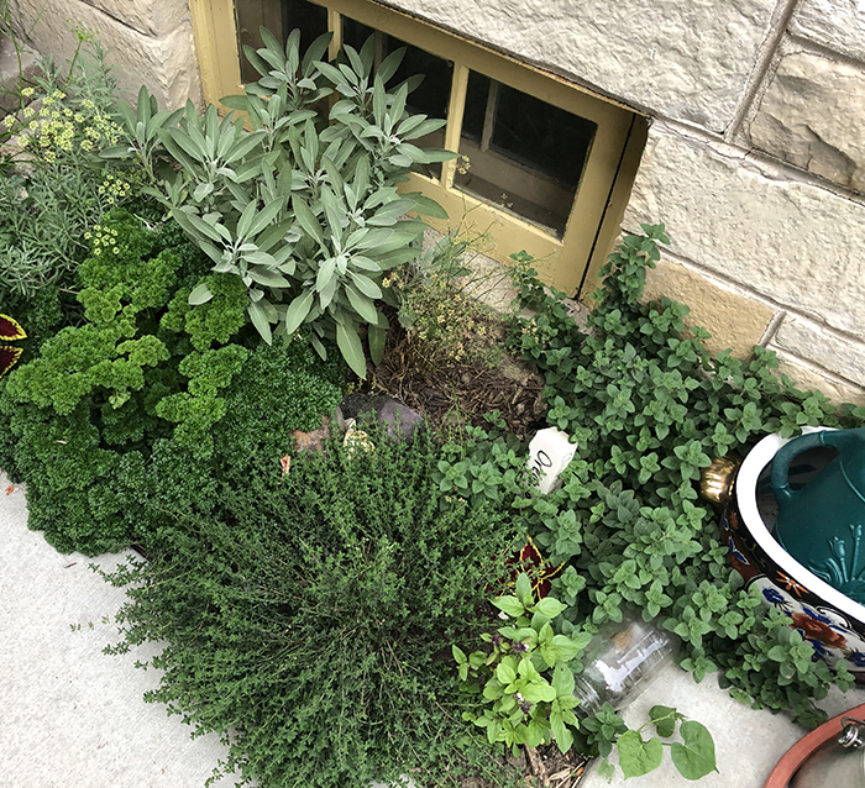
Hot, cramped areas adjacent to driveways and entries are perfect for squeezing in attractive, drought tolerant Mediterranean herbs like rosemary, oregano and thyme, keeping them close at hand to add to marinades and salads.
Tuck in a salad garden cutting mix in partial shade where hostas and ferns do well. Baby greens still grow nicely in dappled sun and benefit from a break from summer heat when temperatures climb.
Save your sunniest spots, preferably near a hose spigot, for water and heat lovers like tomatoes, eggplant, peppers and cucumbers. When looking for garden locations to incorporate edibles, only two general conditions need to be avoided—deep shade and poor drainage. Most edible plants prefer six or more hours of sun daily, while boggy or waterlogged conditions are hard to tolerate even for most ornamental plants and will result in stunted, poor-quality vegetables.
2. Go vertical
Existing vertical structures near your home such as downspouts, railings, and screening and utility fences can make perfect supports for rambling and climbing vegetables. These structures are usually sturdily built and well-anchored, making them better than temporary trellising materials for growing heavier vegetables like tomatoes or squash.
Imagine fast-growing, vigorous pole beans disguising an unloved chain-link fence with their delicate flowers and dangling pods. Scarlet runner beans are especially vibrant with flashy orange blooms, while the variety ‘Carminat’ offers slender 8-inch beans with a dramatic violet color. Brilliant red tomatoes are a perfect option for training on sunny balconies and fire escapes where the fruits benefit from ample sunlight and air circulation.
Homemade trellises and obelisks are also great for supporting climbing vegetables while adding vertical interest to traditional sunny perennial plantings. Using materials found around your yard or neighborhood, such as leftover building supplies or fallen branches, adds a sense of character and spontaneity.
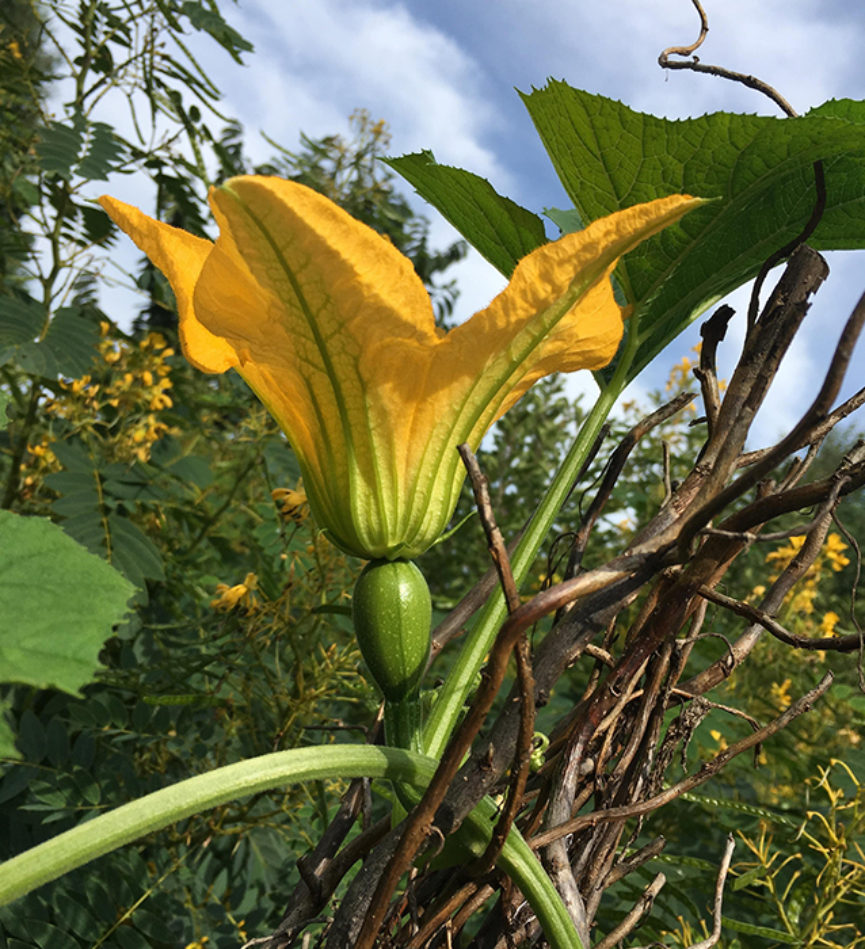
Squashes are particularly nice tucked into the landscape since their large yellow flowers are still visible from a distance. Try the adorable variety ‘Honey Bear’ which produces tasty small acorn squashes perfect for a single serving when halved and roasted.
3. Seek out varieties adapted to smaller yards and containers
Delve into seed catalogs and plant lists from local growers to research edibles especially suited for your unique growing conditions. This is especially helpful if your edible landscape includes gardening in containers; in recent years, plant breeders have devoted increased attention to developing compact varieties that stay tidy in urban yards and containers.
These varieties also frequently offer early ripening and increased disease-resistance, contributing to fulfilling harvests and attractive plants. Burpee Seeds has a section of their website that’s dedicated to container vegetables, and searching online seed catalogs using keywords like “dwarf,” “container” or “miniature” can yield good options.
Also pay attention to plant varieties labeled with the blue-and-red “All-America Selections” badge, a national plant evaluation program that highlights particularly good performers across the US.
4. Be bold
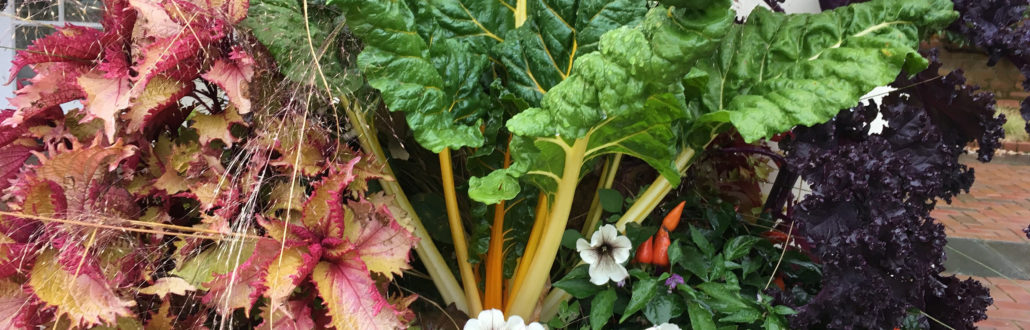
Don't be afraid to get a little wild with the diversity of colors and textures that edible plants can offer! Flashy varieties of kale such as the sexy, dark purple ‘Redbor’ and ruffly white-and-green ‘Casper’ are favorites for edible landscaping, delivering generous harvests over a long season. I can't be without an adorable miniature eggplant like ‘Fairy Tale,’ with trusses of bite-size lilac- and cream-colored fruits perfect for sautéing or tossing on the grill. Even familiar herbs like basil offer a plethora of interesting options, from refined ‘Spicy Globe’ with its tiny leaves and compact habit perfect for tucking into window boxes, to the bold ‘Purple Ruffles’ which makes a dramatic splash mingling in planting beds.
Don’t be surprised when that splash ripples outside of your garden beds and into the street! Gorgeous herbs and veggies front and center are a surefire conversation starter for passersby who might recognize an old favorite or be intrigued by a colorful new variety. And what’s more fun than sharing a handful of luscious cherry tomatoes with the neighbor kids? Include a few extra bold, beautiful edibles in your garden plans this summer to reap benefits beyond your kitchen.
More Stories by This Author

Edible in your mailbox
