

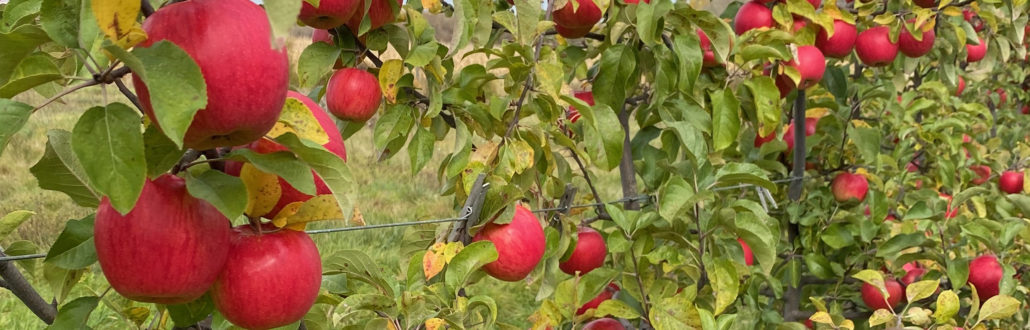
The Great Lakes have always influenced the food we eat in Wisconsin. Historically, we think of fish from Lake Michigan and Superior–lake trout, white fish, smoked chubs. We also think about fruit picked from orchards in places like Door County and Bayfield. Proximity to the Great Lakes moderates temperature changes inland in the spring and fall, and the disparity in temperature between the land and the water in the summer creates wind. Both moderating temperatures and wind create ideal conditions for growing fruit. Now that climate change is making fruit growing more difficult, proximity to the Great Lakes is becoming more important to our orchards than ever.
Ed and Peggy Callahan started Dream Apple Farm in Port Washington in 2012 when they retired from careers as medical doctors, and they bring a scientific approach to the challenge of growing organic apples. They purchased their land near the shore of Lake Michigan in 2021, specifically because they anticipated more climate variability in the future. That year, Wisconsin orchards lost 75% of their crop to an unusually warm spring that produced enough “degree days” for the trees to bloom early, then they froze. On the Callahan’s farm, the trees typically bloom two weeks later than the rest of the state because of the lake, and this helps protect their trees from early blooms that freeze.
According to Ed, “Climate change affects every stage of our growing cycle.” In spring, in addition to frozen blossoms, decreases in pollinator populations are creating problems with pollination. While we hear about the problems facing commercial honeybees, a larger problem is the decrease in the populations of native pollinators. “Honeybees are wimps,” says Ed. “They don’t tolerate wind anywhere near as well as native pollinators.” Climate variability is putting pressure on native pollinator populations through pollinator mismatch, where variable weather is causing plants to bloom before the pollinators arrive. This means trees don’t get pollinated and pollinator populations don’t have enough food.
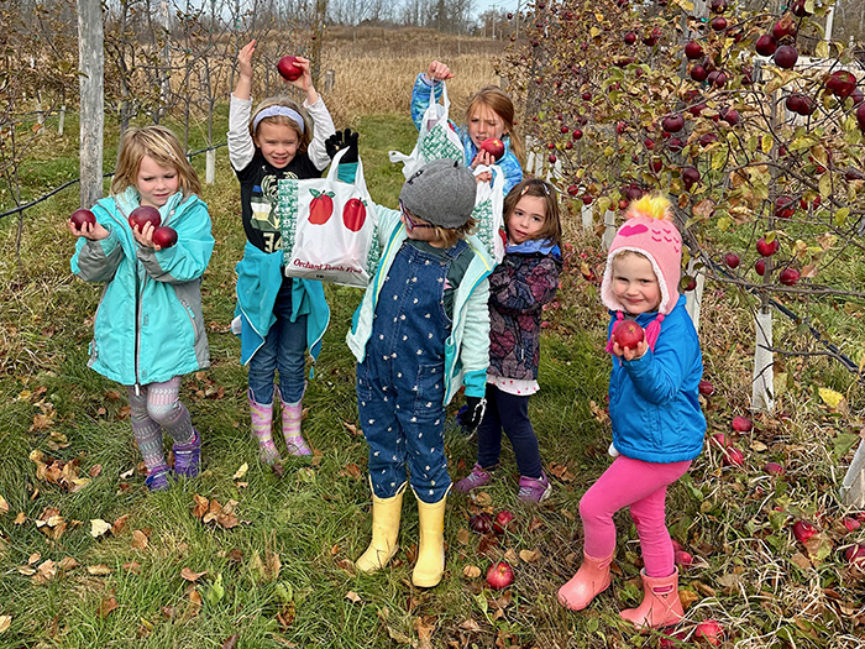
In the summer, an orchardist’s biggest enemy is fungal infections that are exacerbated by humidity. As temperatures rise and the air holds more moisture, this is expected to cause more problems for orchards. Again, proximity to the cooling effect and air flow from the lake helps the Callahan’s orchard. They use high-density planting to improve airflow in the orchard. An increasingly common technique in modern orchards, high-density trees grow on trellises. They’re trimmed into eight foot high boxes in rows that allow air to circulate. This also facilitates mechanical harvesting, spraying and irrigation. Organic orchards cannot use fungicides, so Ed uses natural treatments to keep the trees and apples healthy.
Late summer and early fall, apple orchards are particularly vulnerable to storms with high winds and hail. Even if the trees are not damaged, hail can damage apples and make them unsalable. Anticipating more storms like this in the future, large commercial orchards are starting to install huge netting systems so they can cover their trees during hail storms, but doing this over many acres is a very expensive proposition, particularly for small orchards like Dream Apple Farm.
Even in winter, climate variability can affect apple trees. Apple trees are meant to cold harden—gradually get used to colder temperatures—before it gets really chilly. When fall is long and warm, then winter comes precipitously, the trees may not have hardened properly and may not withstand the sudden drop in temperature. So how are orchards in Wisconsin surviving as our climate introduces so many variables into growing fruit? Wisconsin has 1,208 apple farms, according to the 2022 USDA Agriculture Census. Of these, only about 300 are commercial scale. 50% of apples consumed in the US come from China, 8% are raised domestically, with 1% from Wisconsin, according to Pam Jahnke in her 2016 Mid-West Farm Report, The Apple Industry in Wisconsin. Most commercial apple production in the US has moved to eastern Washington state where a dry and moderate climate makes growing apples easier.
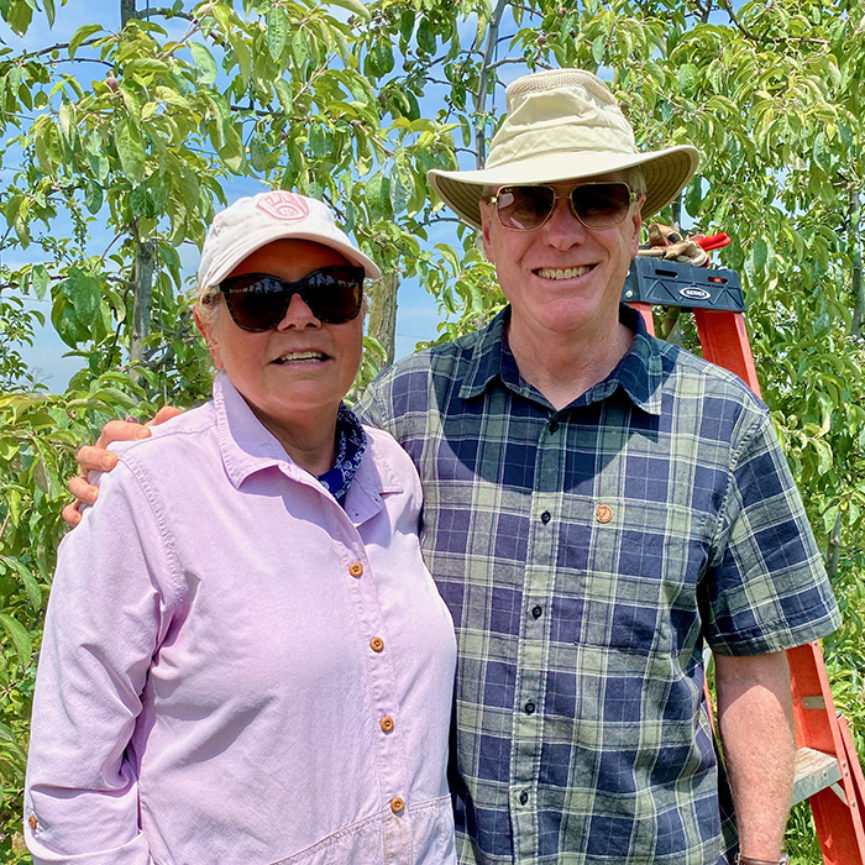
Many apple orchards in Wisconsin are shifting to using new growing techniques and new apple varieties. Apple breeding is a primitive thing. It takes two parents to make a new apple tree—they never cross with themselves. To produce more trees, you must graft, which is taking a branch from one tree and attaching it to the root stock from another. Apples are best suited for growing in northern climates, which is why you don’t see them in the south. As the climate warms, it would be helpful to have more tree propagation that supports varieties that are more resilient and can grow in warmer climates.
“Researchers are studying a number of genetic traits in fruit crops that could be bred to create varieties that are less likely to lose cold hardiness as quickly,” says Amaya Atucha, the UW-Extension fruit crop specialist. Scientists are also exploring traits that would delay bud break, increase drought resilience and reduce heat stress. Absent the arrival of new varieties, orchardists like the Callahans are moving away from monoculture and planting multiple varieties of apples with different growing characteristics, which makes it possible for some varieties to perform well when others may not.
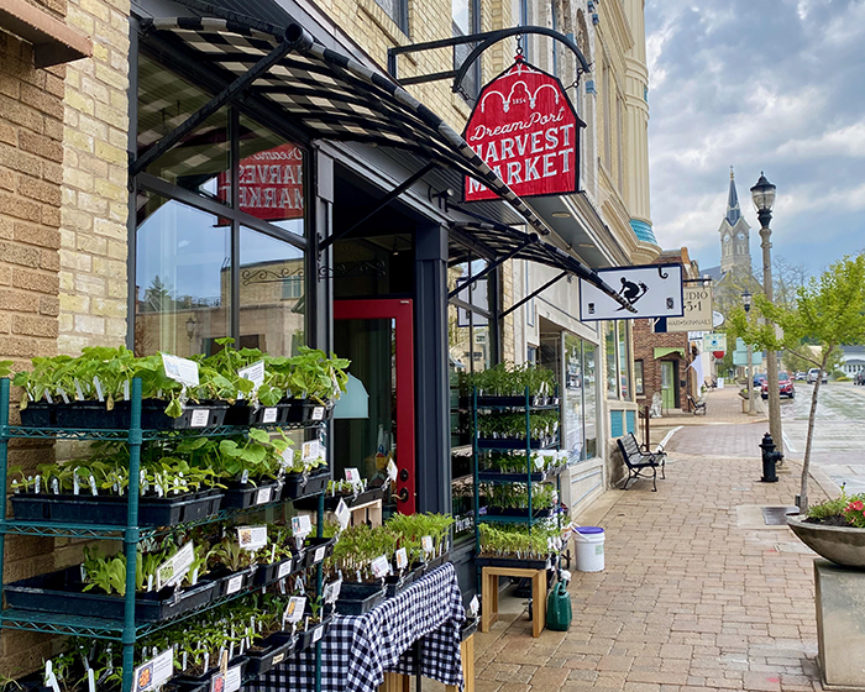
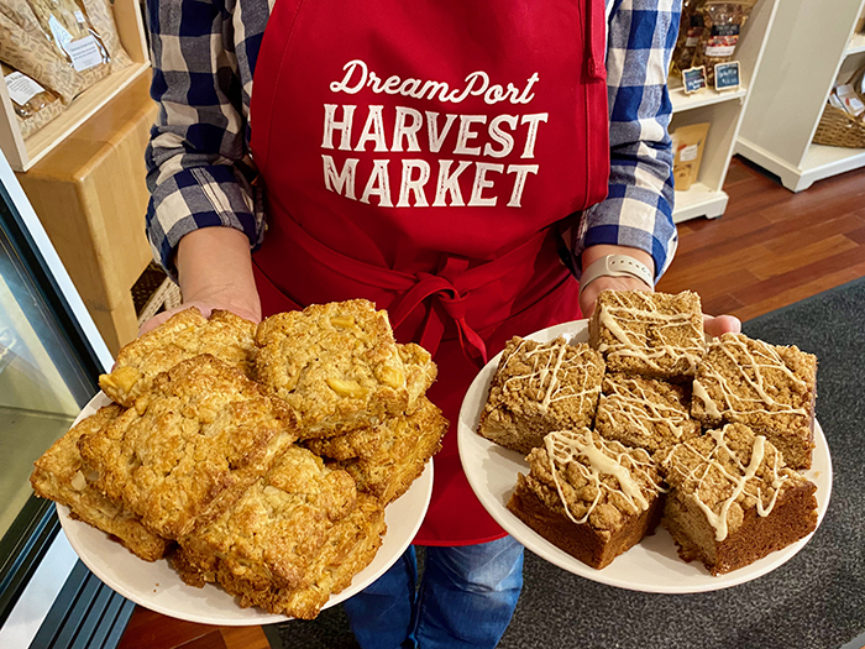
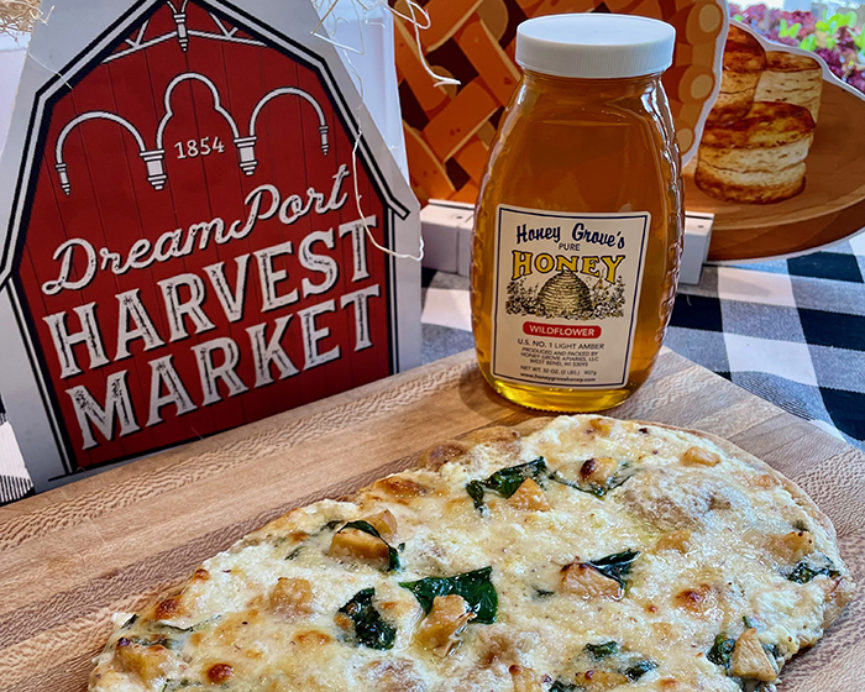
They are also embracing agrotourism. Ed and Peggy opened their store, DreamPort Harvest Market, in downtown Port Washington so they could sell the organic apples they grow with help from Lake Michigan. Now the store also features a range of organic and local produce, fresh food from their kitchen and pastries. When you visit the DreamPort Harvest Market, you’ll be supporting a local, organic orchard and be able to experience the huge variety of colors and flavors that come from their 24 different apples with names like Wolf River and Brown Snout. You’ll also be able to support other area organic farmers who are working with nature to bring food to our tables.

Edible in your mailbox
