

Farmer Voices contributor, Brit McCoy, writes about the difficulties of asking for help and how opening herself up to the gifts of her community made her life as a beginning farmer so much better.
When I started my farming journey I was unsure, insecure, and unwilling to ask questions, to seek advice and to sell my product. As someone completely new to the world of raising livestock and raising good meat, there were a lot of unknowns, and I did my darndest to Google the answers to my questions for fear of sounding dumb to other area farmers.
I wanted to learn "textbook style" and not show up in the community until I was completely confident that I "knew" what I was doing.
Fast forward four years and, boy, am I glad that phase ended. I learned rather quickly that Google only goes so far and that my hands-on learning style was going to need to be satisfied by learning in the field from those who’ve got more figured out than I did. I needed to ask questions—lots of questions. I needed to be OK with not being an expert. In return, I found community, the confidence to sell the meat that I was raising and have it taste really good.
I now firmly believe that without community a farmer cannot succeed.
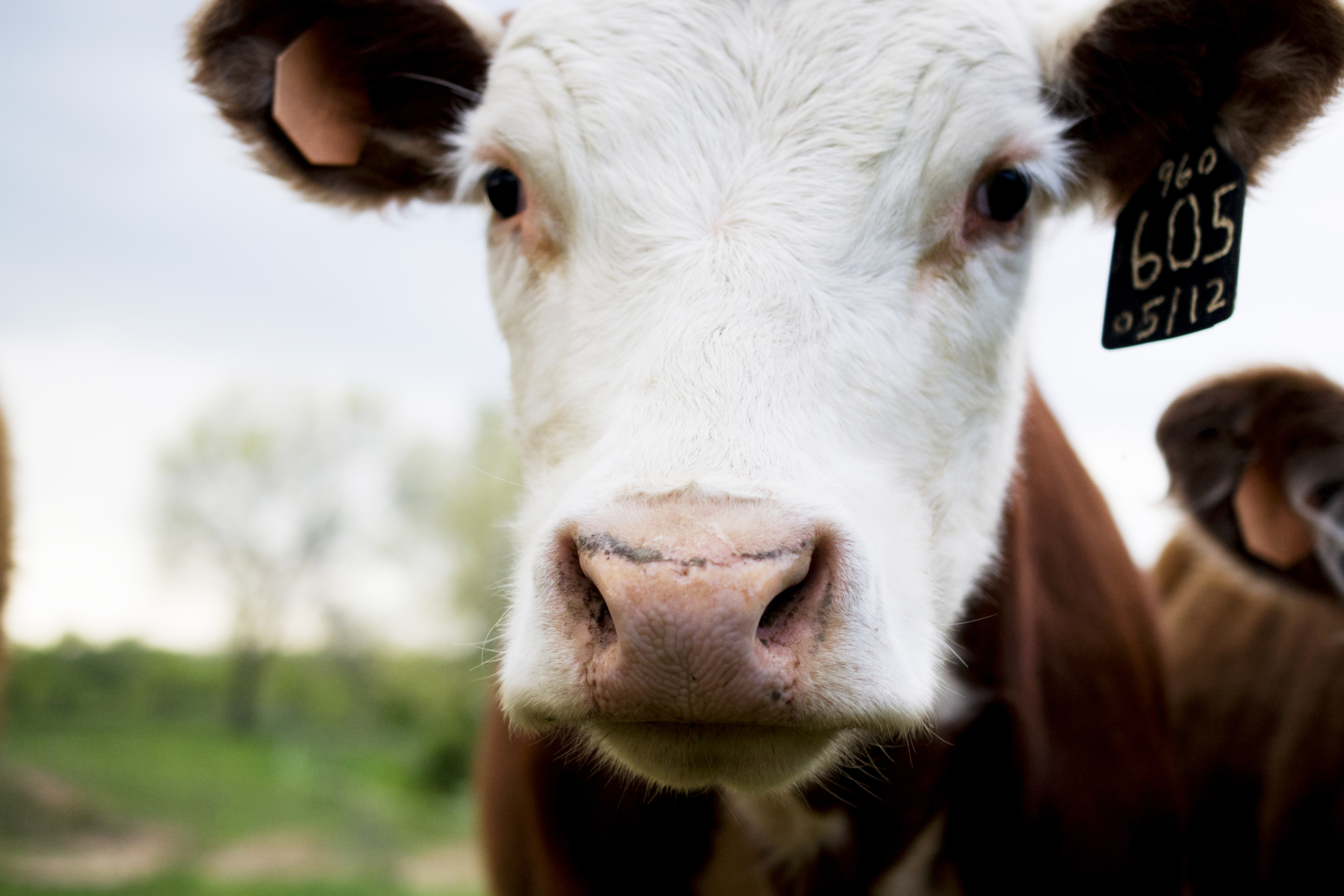
It has taken a tribe of educators to help me along my journey of starting a grass-fed beef and lamb operation. While I have a background in Landscape Architecture and Environmental Studies, there was still a huge world of grasses, legumes and forbs to learn. I had to learn how to properly manage my pastures, and how to manage my cattle and sheep on those pastures. I had to learn how to tackle farm chores and sell the products that the livestock produce. I had to learn where to get the proper licensing to sell products on the farm. I had to learn what healthy calves look like. I had to learn how to buy a ram and breed my flock of ewes. I had to learn how to properly care for lambs that were rejected by their mothers. I even had to learn the names of specific cuts of beef and lamb.
This took a team of people who had been there before investing time into helping me learn, a team made up of other grass-fed farmers, knowledgable staff from the UW Extension office, people from the USDA and DATCAP, my butcher, local vets and my neighbors near and far.
I realized how vital the buying community is for a farmer. When I started raising livestock, it was a couple head of beef for me and the family, but I quickly fell in love and knew that someday I wanted to grow into a real farm. It was the first few families and friends that bought from me and delighted in my product that gave me the confidence to chase something bigger.
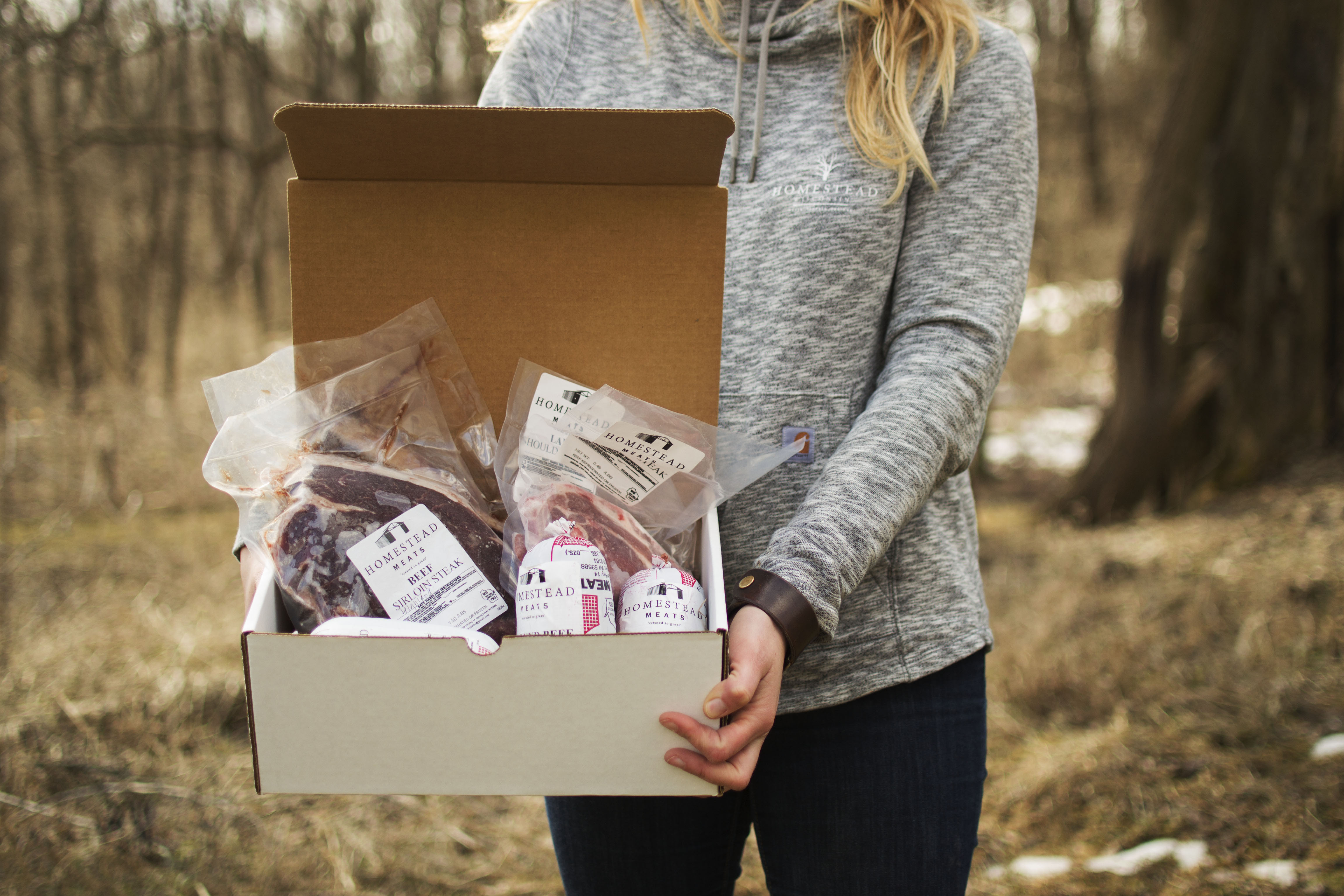
Now I’m blessed with a community of strangers that have become friends— a community that supports small farmers with big dreams, puts their money where their hearts are, and loves to buy local, to eat local, and to make an impact on their local food ecosystem. Without a community like this, there wouldn't be any small farms.
The biggest thing that I have gained in the last few years is an incredible community of educators and buyers who have taken the time to invest in my farm. I wouldn’t be here without them, and I am forever grateful for their support.

Edible in your mailbox
