

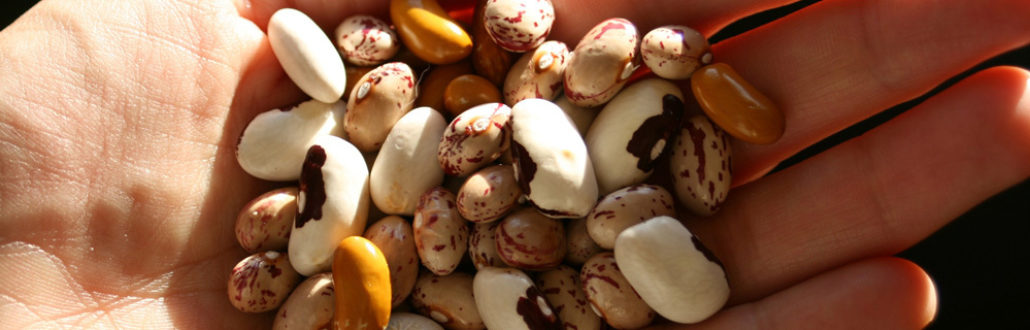
Beautiful legumes! Discover new and wonderful flavors and colors when you look beyond the can.
I find it very easy to be sucked down the rabbit hole of conflicting research and opinions regarding what is the absolute “best” diet.
Until something surfaces that makes it all clear for me (unlikely), I’m going to go with my gut (both literally and figuratively.)
My current plan is to reduce or eliminate processed foods, try to get off the sugar wagon, and eat everything else in moderation from clean, local and sustainable sources. That means shopping the farmers market and local purveyors for lots of vegetables, some fruits, grains and legumes, and enjoying local antibiotic- and hormone-free dairy and meat on a limited basis.
Everything gets the fuzziest when I research whole grains and legumes. There is more conflicting information out there on these plant foods than any other. Some tout them as essential, beneficial for their high fiber content and complex carbohydrates; while others are convinced the presence of anti-nutrients like phytic acid are detrimental to nutrient and mineral absorption. Caution: read and research at your own risk.
I love beans too much to give them up, especially with the recent resurgence of heirloom varieties. The different sizes, shapes, textures and flavors are gorgeous and versatile and can take a ho-hum meal to hale and hearty with ease. They’re appearing more frequently at local markets, and this summer I tried my hand at growing them myself.
Depending upon what beans you come across, be sure to determine their best application. Do they stay firm, like a classic red bean (great for chili and stew); or does it melt down into a creamy velvet, like a flageolet or navy bean (which makes a beautiful cassoulet)? You’ll find a bean for every soup, salad or dip you can imagine.
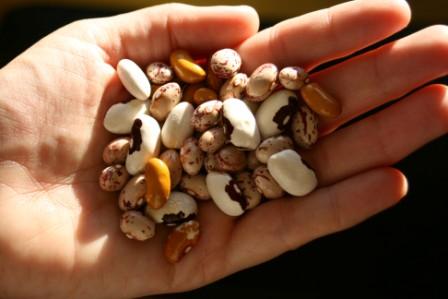
I try to soak beans for 24 hours, changing the water once or twice. After soaking, I cook them gently in water with a piece of khombu (seaweed). The khombu helps soften and increase the digestibility of the beans, while adding valuable nutrients and minerals (like iodine) to the pot liquor.
Typically I use at least half the beans and cooking liquid for a hearty soup or stew. I’ll use some more in salads that week, or maybe a dip or pasta dish. Any leftovers can be spun dry in a salad spinner and frozen flat in a storage bag.
Ditch the can opener, and look for sources of locally grown shelling beans. Experiment with different varieties and recipes. They will cost more than canned or the bag of dried beans from a national distributor, but even with this additional cost, you will find beans are the foundation for an extraordinarily economical dinner. The flavor and freshness make it worth it. (I’ve purchased dried beans from the supermarket that were so old, no amount of soaking or cooking could render them edible.)
Preparing a large batch on the weekend can make weeknight meal prep a snap. Even on the longest, coldest fall nights, you can serve up a warm soup, stew or chili to warm your family’s body and soul.
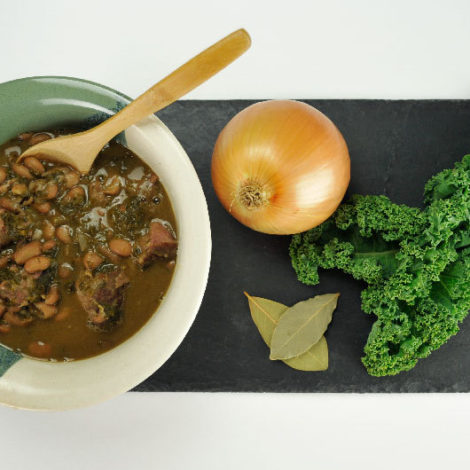
Featured Recipes


More Stories by This Author

Edible in your mailbox
