

More Than a Meal: Building a Stronger Community Through School Food
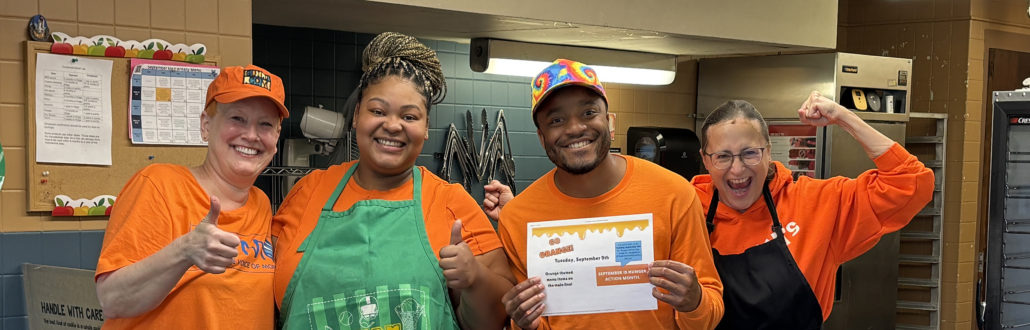
Each school day, Monona Grove School District’s (MGSD) nutrition professionals prepare and serve thousands of meals to students across the district. While these meals are essential to ensuring students are ready to learn, their impact extends beyond the cafeteria. School meals provide opportunities to strengthen the local economy, support Wisconsin agriculture and nourish the community.
The Cafeteria as a Classroom
MGSD recognizes that school cafeterias can be classrooms in their own right. By partnering with teachers, families and community organizations, the district works to create meaningful connections between nutrition education and students’ experiences in the lunch line. When students learn about agriculture, nutrition and food systems—and see those lessons reflected in their meals—food literacy grows in tangible ways.
Bringing Wisconsin Farms to School Plates
Throughout the school year MGSD highlights local foods, most often fresh produce, on school menus. Sometimes those efforts are subtle, with locally grown items featured on school garden bars. Other times, local procurement takes center stage through statewide initiatives that celebrate Wisconsin agriculture.
The district regularly participates in campaigns such as Muffin MAYnia, Wisconsin Chili Lunch and the Great Apple Crunch, giving students opportunities to enjoy foods grown close to home and prepared from scratch in school kitchens. This past May, MGSD's breakfast menu featured homemade muffins made with spelt flour from Doudlah Farms in Evansville, introducing students to a Wisconsin-grown whole grain. By prioritizing local procurement, the district invests in regional agriculture and the local economy.
The Shift to Scratch Cooking
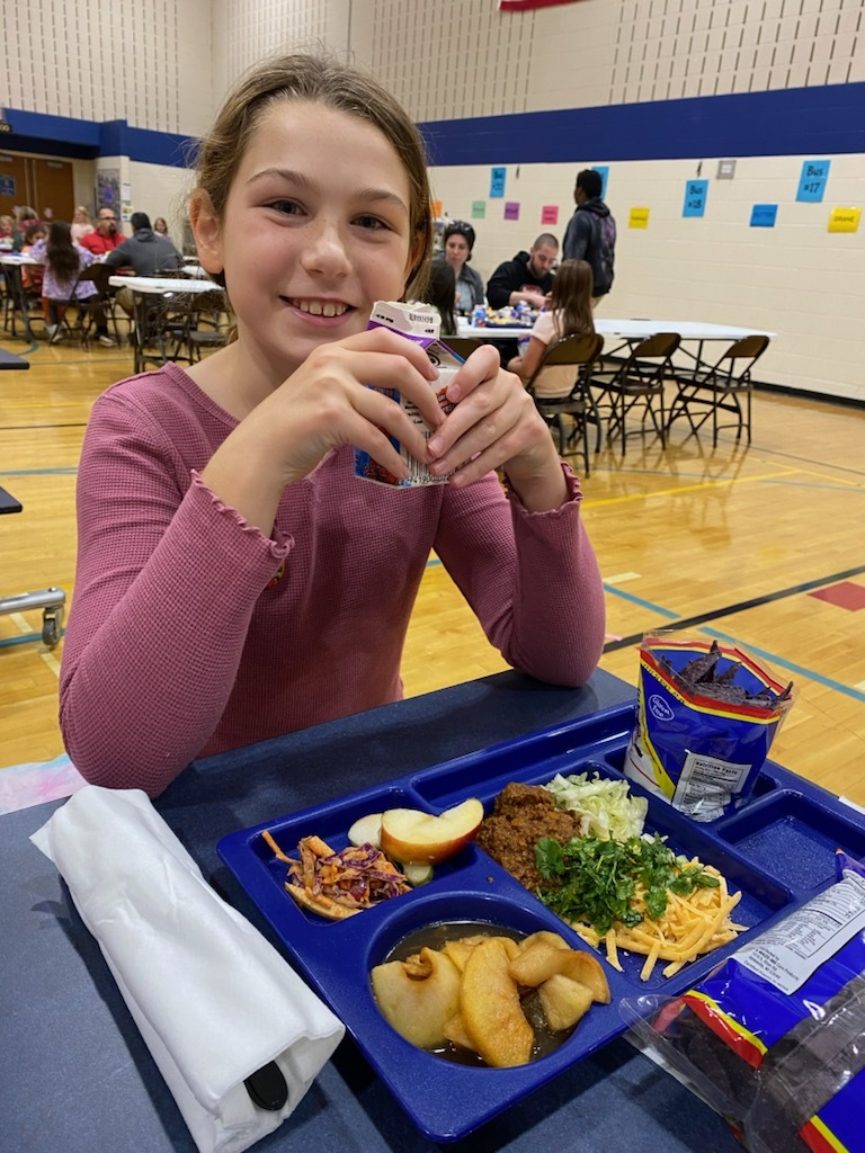
Pairing local procurement with nutrition education is part of a broader vision for the future of school meals in MGSD. The department is working to expand scratch cooking across all schools, preparing more foods from basic ingredients rather than relying on heat-and-serve products.
Even the most nutritious meal only has value if students choose to eat it. Introducing new foods to students requires intentional planning and repeated exposure. MGSD supports this process through nutrition education, taste tests and community events, including community dinners that feature the same scratch-made menu items served during the school day.
Innovation Through Collaboration
Innovation is also driven by collaboration. The department hosts interns from UW Health's Integrated Graduate Program in Nutrition and Dietetics and Madison College's Culinary Arts program, bringing fresh perspectives to school meal programs.
The department also values partnerships with organizations such as the Monona Eastside Business Alliance and REAP Food Group, whose support helps strengthen local food initiatives while ensuring the community's evolving needs are met.
How Families Can Power the Program
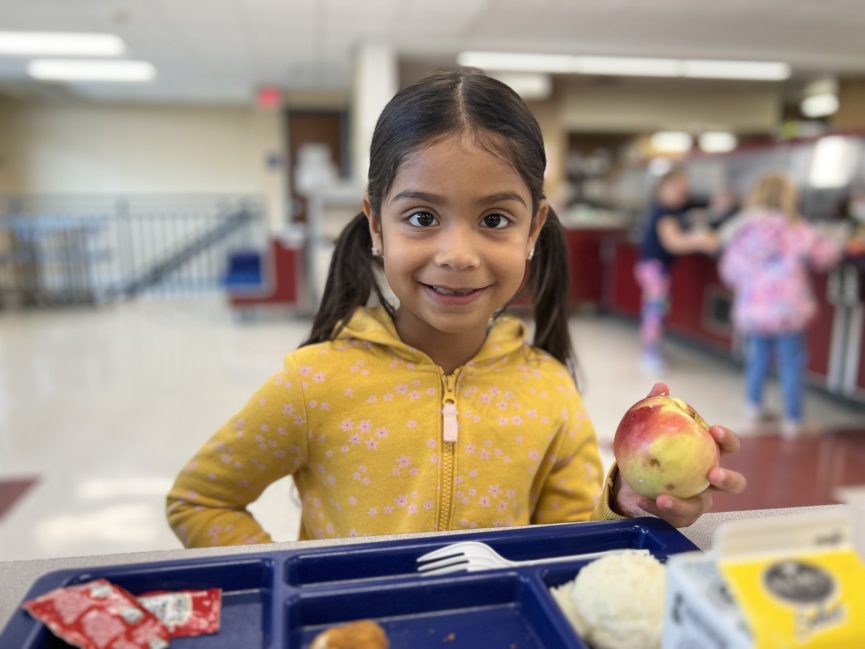
The future of school meals ultimately depends on community support. One of the most effective ways families can support innovation in school nutrition is also the simplest: encouraging students to participate in school meal programs.
Because school meal programs are entirely self-sustaining, every meal served strengthens the financial foundation that allows the district to purchase more local foods, expand scratch-cooking initiatives and invest in staff. School meals are an investment in the community’s future, and the progress communities want to see is made possible through participation today.
School meals are building a healthier future for everyone.
Contact school.nutrition@mgschools.net for more information on ways to get involved.

Edible in your mailbox
