

Ukwakhwa in Oneida County fosters a space to celebrate indigenous farming.
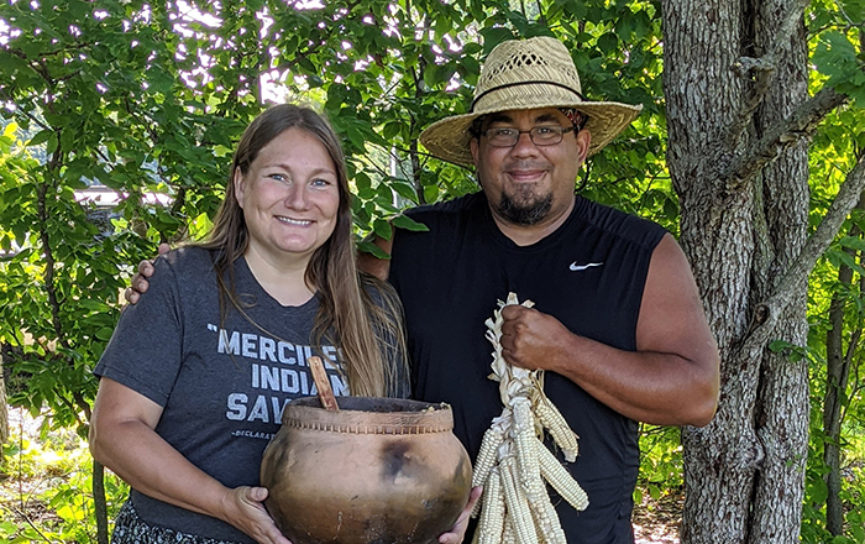
Just a short two-hour drive from Madison is Ukwakhwa in De Pere, a 10-acre farm and community space devoted to sharing the traditions and methods of Indigenous farming practices. What started as a small garden at Rebecca and Steve Webster’s home has turned into a hub of activity with an event space, pond, orchard, gardens, native tree planting areas and a trading post, where folks can come to trade for food, baskets, books, blankets, hides and other Indigenous crafts.
As Oneida Nation Tribe members, the pair always had an interest in gaining more knowledge of Oneida culture and history, but it wasn’t until 2015 when they grew their first crop of heirloom corn that they saw the opportunity to first learn, then pass on that knowledge to others. The garden only kept expanding from there to growing beans and squash.
This led Rebecca Webster, who serves as the executive director of Ukwakhwa (pronounced oong-gwa-kwa), to suggest finding land that would allow them to do more work in the community. “I said ‘Hey Steve, what do you think about looking for some land to expand our gardens and do more of our community work, selling our house, building a new one and how about you quit your job and homeschool our daughters?’” Rebecca says.
He agreed and the rest is history.
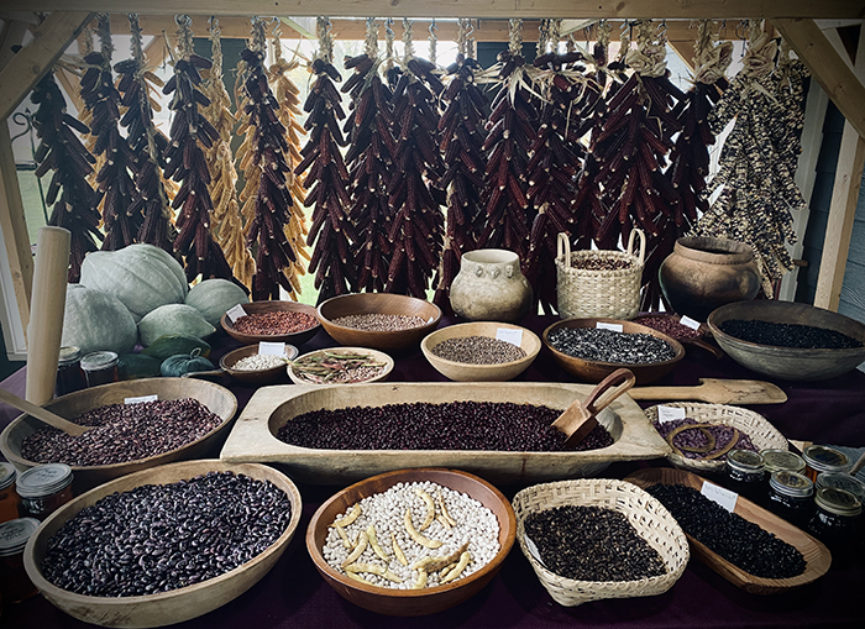
When looking for land, the Websters talked to an Oneida faithkeeper who ultimately gave them the name Ukwakhwa: Tsinu Niyukwayay^thoslu, which means “Our foods: Where we plant things.” Since that moment they’ve been working to create an educational hub in De Pere for those in the Oneida Nation and beyond. Walking through Ukwakhwa, you will see more than a traditional farm.
“We wanted to create a safe space for the community to come and learn about our seeds, our foods, taking care of gardens, harvesting, food preparation and making the traditional tools and crafts that go along with caring for our foods,” Rebecca says.
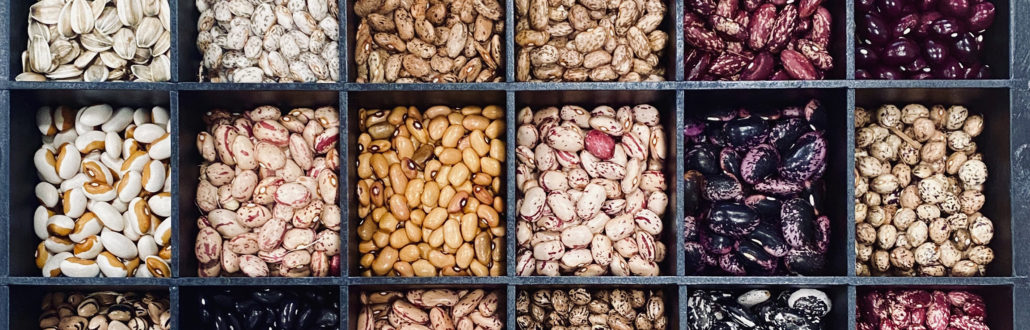
While 10 acres may seem like a lot of land, Rebecca says in reality, they grow on a small scale so there’s a larger focus on distributing traditional, heirloom seeds. The sharing of seeds started back when Rebecca had her own small garden and continues at Ukwakhwa.
“We consider seeds to be like our relatives,” she says. “The ones that our people have historically cared for are the ones that I’m interested in, and we grow those varieties out.”
In May, Ukwakhwa gave away 30,000 heirloom seeds in under 40 minutes during the annual Oneida Nation Seed Giveaway. As they are not able to supply a food pantry or food boxes with limited growing space, Rebecca says seeds allow people to grow the crops themselves.
A large focus of Ukwakhwa is the traditional three sisters crops: corn, beans and squash. Rebecca says many people have the misconception that these come from Europe, but all are indigenous to the Americas.
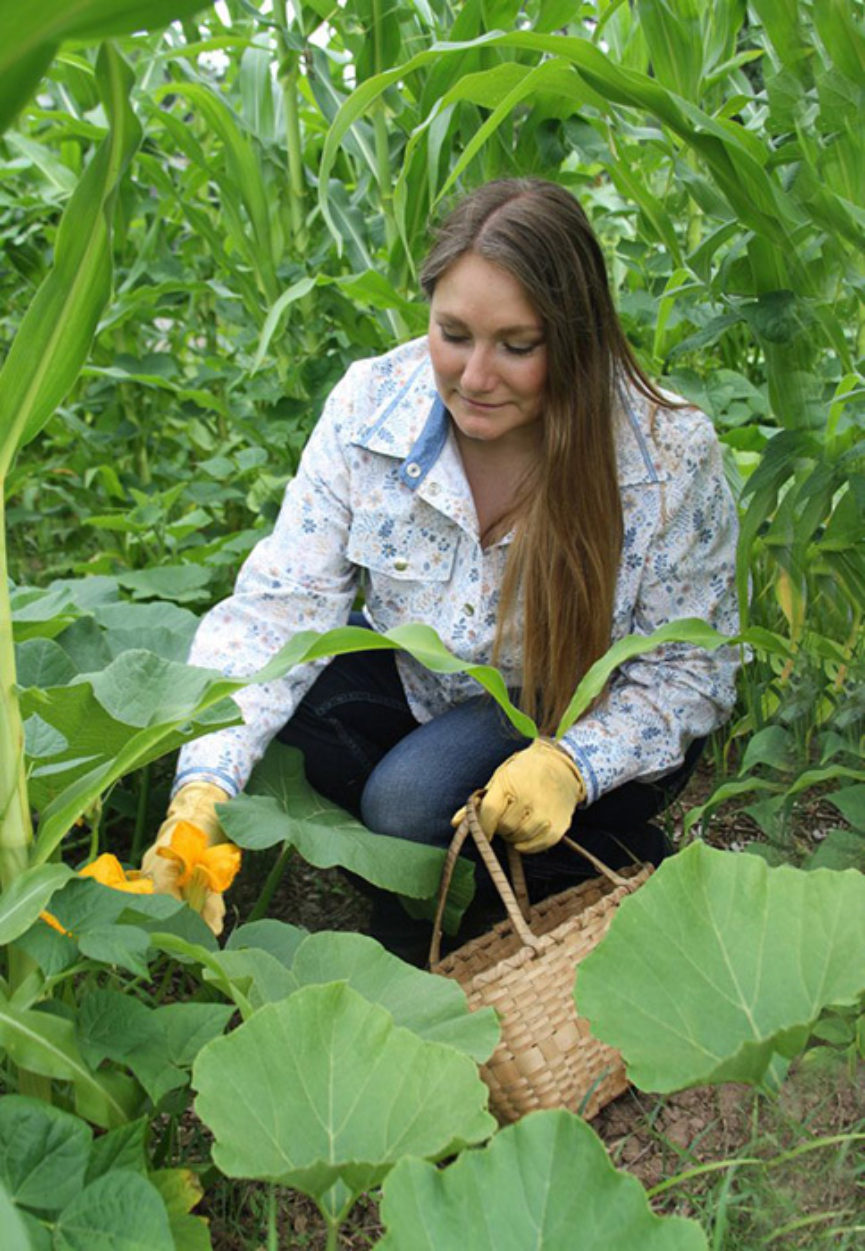
“Generations of our family have cared for these particular varieties,” Rebecca says. “Our seeds have been spreading and moving and traveling from communities since time immemorial.”
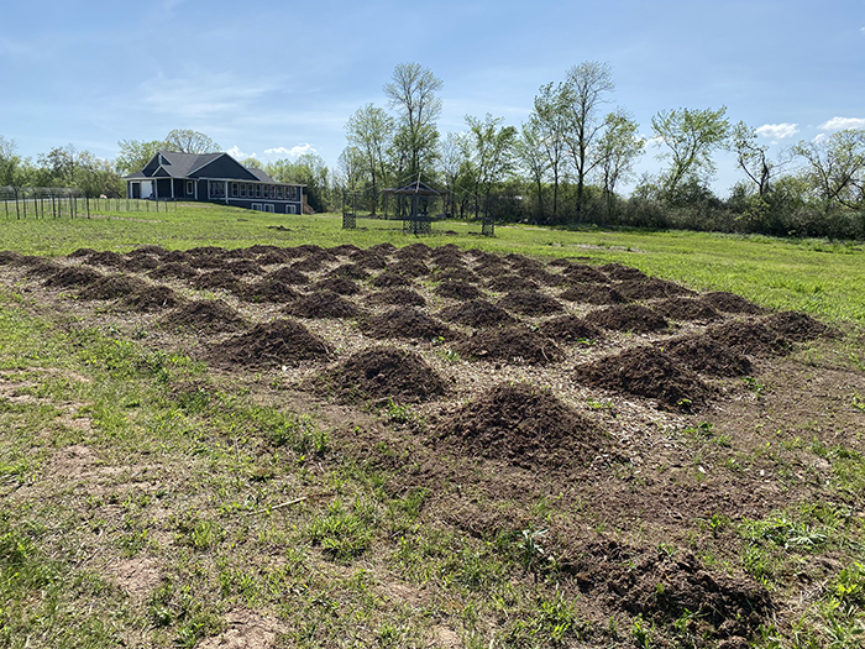
In Indigenous farming, Rebecca says typically the three sisters grow in mounds where each crop helps foster a miniature ecosystem that supports the other two crops.
Corn serves as the base, growing strong for the beans to climb. The beans then provide nitrogen to the soil while the squash surrounds the mounds. With big leaves, the squash keeps the soil moist and the weeds down, and its prickly stems and leaves keep animals from wandering into the mounds.
“It’s like a community where we each have our different strengths and we rely on each other to be able to be the best that we can be,” Rebecca says.
Initially there was a steep learning curve for Rebecca and Steve as neither had a background in farming—Rebecca is a professor at the University of Minnesota Duluth—and unfortunately there wasn’t collective knowledge available as easily within Oneida Nation.
To build Ukwakhwa, the two had to search for information by asking people in their Wisconsin community and by reaching out to Oneida Nation members who still live on their ancestors’ homelands in present-day New York.
During summer’s peak growing season, the Websters host tours and classes at Ukwakhwa for the Oneida Nation community and visitors who want to understand what goes into growing and using Indigenous foods, including tools and crafts that are made to cultivate foods. Some past events include classes on how to process corn using the traditional corn pounders method, how to make corn-husk flowers and dolls and how to bake cornbread on coals.
Ukwakhwa is currently converting the main garden into raised beds to be wheelchair accessible and the Websters hope to create an even larger outdoor cooking space.
“Our goal is to turn around and share that [Oneida] knowledge with our community and our extended community so that it’s not so hard for other people to find that information,” Rebecca says.
To find out about events and the best time to visit, visit Ukwakhwa’s Facebook page.
More Stories by This Author

Edible in your mailbox
