

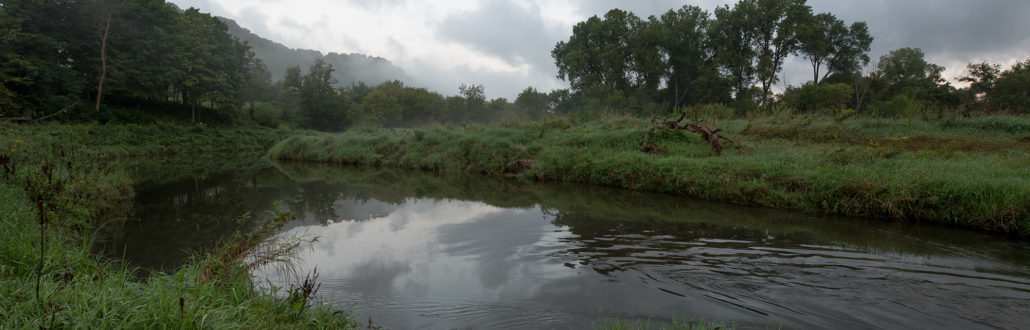
How are you connected with your watershed? The neighbors who share a watershed, the basin that drains into a nearby body of water, affect each other in ways that may not be immediately obvious. Unlike political boundaries, watersheds form natural delineations that unite those within them through our shared sense of place and impact on one another. Every one of us influences the people, water, land and wildlife within our watershed, and we all have an important part to play in protecting them. Valley Stewardship Network (VSN), a nonprofit based in Viroqua, Wisconsin, works to empower community members to achieve conservation goals through a number of program areas.
Watershed Stewardship Working together with our watershed neighbors gives us the opportunity to create community goals and learn from one another. VSN has helped to form landowner-led councils in four watersheds within the Driftless area of southwestern Wisconsin. The steep topography of this unglaciated portion of the state has made the landscape highly susceptible to runoff and erosion, and water quality has suffered as a result. Recent catastrophic flooding, exacerbated by weather extremes due to climate change, has highlighted the need for management techniques that slow the flow of water across the land, effectively “making running water walk,” – a phrase coined by the Coon Creek Community Watershed Council. Community-led watershed councils equip landowners with opportunities to problem-solve together, create community goals, implement stewardship practices, and learn from each other’s successes. VSN collaborates with watershed councils by monitoring water quality, providing organization support and assisting with watershed planning.
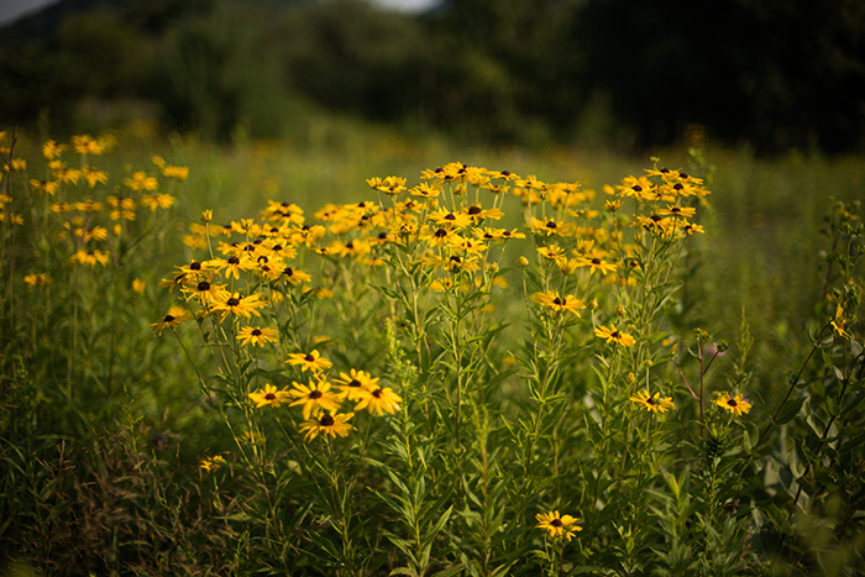
Prairie Planting One of the best watershed management tools available to landowners is planting native vegetation. In addition to supporting pollinators, birds and other wildlife, and microbial communities, native plants provide a number of benefits to humans, farms and communities. The deep roots of prairie vegetation reduce runoff and erosion by holding soil and allowing water to infiltrate during heavy rains, thereby preserving water quality downstream. Prairie plants also store water in times of drought, buffering against weather extremes and creating climate resiliency. On farms, prairie can be strategically placed along field edges to keep soil, nutrients and water in place. VSN promotes native vegetation by planting prairie, assisting with seed costs for landowners, and providing technical assistance for site preparation and follow-up maintenance. VSN planted some of the first prairie strips in Wisconsin and has planted 66 acres of prairie at 25 sites in Southwest Wisconsin.
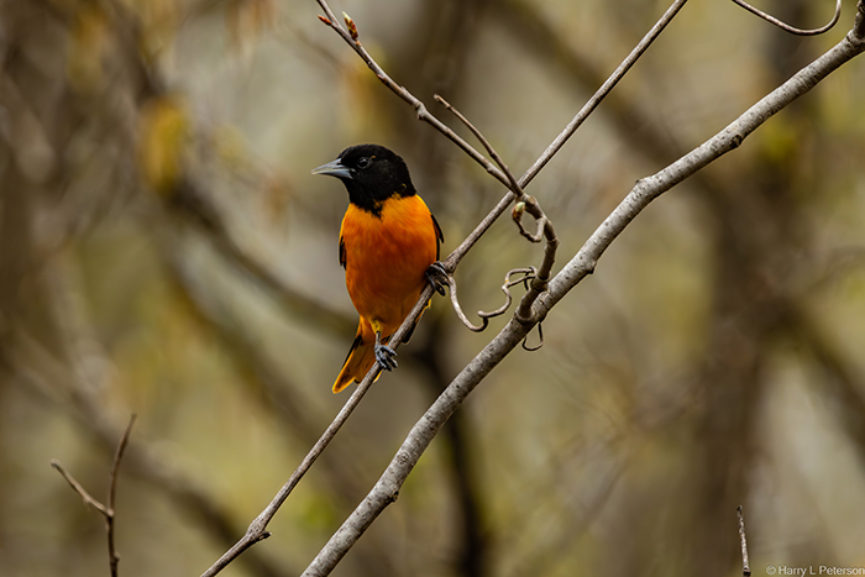
Bird Habitat Habitat conservation for birds is a special priority, with about 3 billion fewer birds in North America today than in 1970. The Driftless area of Wisconsin is especially important for migratory birds that rely on interior forest for stopover and breeding habitat, because the area supports the largest block of continuous forest between the Missouri Ozarks and Canada’s boreal forests. In an effort to conserve and increase habitat for birds, VSN is heading up the Kickapoo Bird Habitat Initiative, consisting of experts from the Ho-Chunk Nation, Kickapoo Valley Reserve, Mississippi Valley Conservancy, US Fish and Wildlife Service, and Wisconsin Department of Natural Resources. The group is honored to be the recipient of the Wisconsin Bird Conservation Partnership Grant to connect and improve bird habitat within and around the 54,000 acre Kickapoo-Wildcat Important Bird Area. The project will coordinate management plans on public lands, provide public outreach highlighting the importance of our area for migratory and resident birds, and connect landowners with land management recommendations and resources for bird habitat connectivity and enhancement.
Bird Friendly Hay and Grazing Well-managed livestock can be a valuable tool for conservation. Rotational grazing, which mimics the disturbance pattern that large mammals historically had on grassland systems, offers an economically viable option for farmers that benefits livestock health, soil integrity, water quality and wildlife. In contrast to row crops, pasture maintains living roots year-round that hold soil in place and serve as a carbon sink, buffering against climate change. Rotational grazing and haying systems provide habitat for grassland birds, a group that has shown precipitous declines, by providing periodic disturbance that prevents grassland nesting habitat from being taken over by woody vegetation. Bird-friendly haying protects nesting birds by delaying harvest until after most grassland birds have finished nesting. VSN provides assistance to farmers interested in bird-friendly grazing and haying practices.
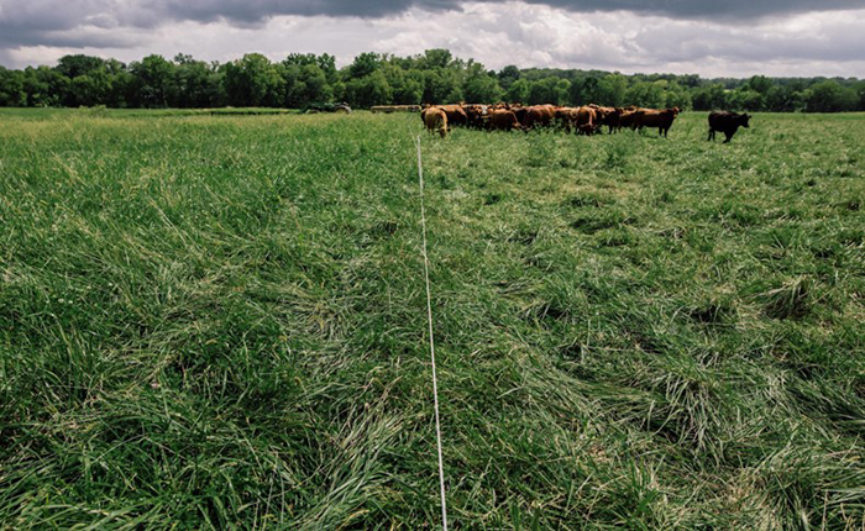
In the future, VSN hopes to connect consumers with producers of grasfsed and bird-friendly beef. As a local food supporter, you can help promote watershed stewardship by supporting farms that implement conservation practices.
For more information, visit valleystewardshipnetwork.org.

Edible in your mailbox
