
Tapping season generally takes place from late February through early April and involves drilling holes in maple trees and collecting the sap. The best maple syrup seasons come when winters are cold and there is a slow transition into spring, giving us at least one reason to be cheerful about long, frigid winters. Warm winters and early spring heat can cause trees to start to bud early, giving the sap a bitter flavor.
Once sap is collected and heated to evaporate most of the water, what is left is a concentrated syrup often used to top breakfast favorites, from waffles to oatmeal. The uses for maple syrup go far beyond the pancake, however, and can depend on the color of the syrup. Amber syrups are more often used as a topping and for desserts while dark syrups, with a more hearty and robust flavor, can be great for baking and cooking.
If you lean sweet, maple syrup adds a natural sweetness to everything from biscuits to ice cream. And on the savory side, maple pairs perfectly with bacon, grilled meats and even brussels sprouts. Maple syrup can often be found alongside Dijon mustard or balsamic vinegar in dressings, adding a maple touch to a crisp winter salad.
However you enjoy the sweet, sticky stuff, you can thank the thousands of maple syrup makers across Wisconsin who range from hobbyists tapping a tree or two in their yards to local businesses tending tens of thousands of trees. Their efforts provide us a rich delight with no end of creative culinary uses.
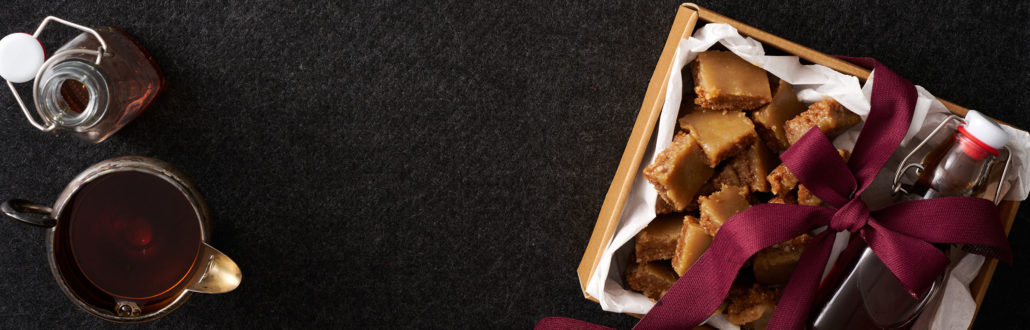
Maple Speculoos Fudge
However you enjoy the sweet, sticky stuff, you can thank the thousands of maple syrup makers across Wisconsin who range from hobbyists tapping a tree or two in their yards to local businesses tending tens of thousands of trees. Their efforts provide us a rich delight with no end of creative culinary uses.