

Chicken
Cooking Tips
- Purchasing whole chickens and using all the parts in various dishes is most cost-effective.
- Though it’s counter-intuitive, try roasting whole birds breast side down to keep the breasts moist.
- Brine a whole bird for 12-24 hrs. before roasting or frying.
- Boil 1-2 carcasses with root veggies and spices to make broth. Then add the meat scraps back in plus fresh root veggies for a delicious homemade soup.
- Or save the scraps for a chicken pot pie or salad.
Details
When purchasing organic chicken, it’s important to understand the true meanings of the terms you find on the labels or on the farmer’s sign. “Natural” can mean just about anything and should not be the only term on which a product is judged. Simply put, “natural” only means that nothing was added to the meat during processing, such as artificial colors, flavors or chemical preservatives. With the exception of not allowing growth hormones or stimulants which alter its normal state, “natural” has nothing to do with how the bird was raised (i.e., it could have received antibiotics or been confined to a henhouse for its entire life). “USDA Certified Organic” goes beyond processing to include how the bird was raised, meaning no artificial hormones or antibiotics, and high standards of humane animal care with strict rules regarding space requirements, outdoor access and absolutely no forced mutilation. Increasingly, many smaller, local farmers are embracing the idea of pasture-raised poultry. Visit www.eco-labels.org for more information about the various meat labels.
We recommend asking local producers how the animal was raised: Did it ever receive antibiotics in their feed or as a shot? Was it raised on pastures free from chemical pesticides or herbicides? Was it confined? Remember that small farms are not required to certify as USDA Organic unless they bring in a certain level of revenue, but they may still be using completely organic and humane animal practices. Having a relationship with your farmer is key to making informed meat purchasing decisions.
Nutrition: Chicken is leaner than beef or pork, low in sodium, and a good source of protein, vitamin B6, phosphorous and niacin. However, one breast can have up to 40% daily value of cholesterol. Watching meat serving sizes is always a good practice for your health.
Related Recipes
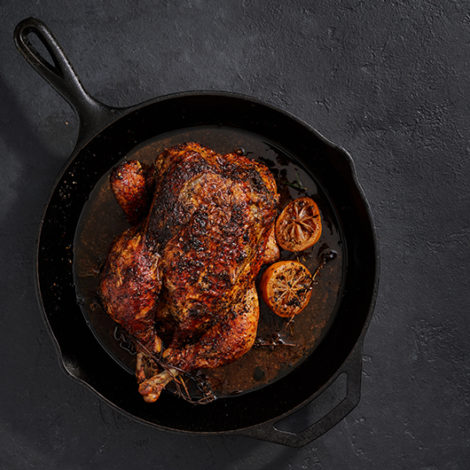
Juniper and Coffee-Roasted Chicken
Winter 2024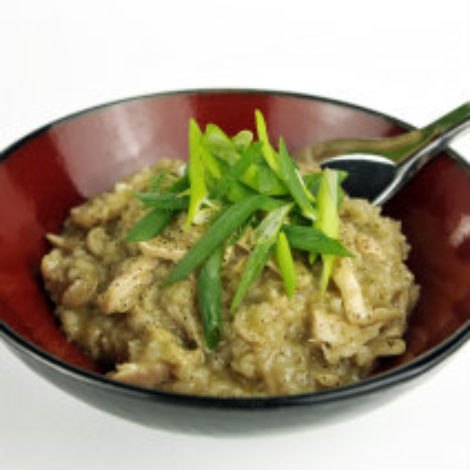
Chicken Congee
Winter 2019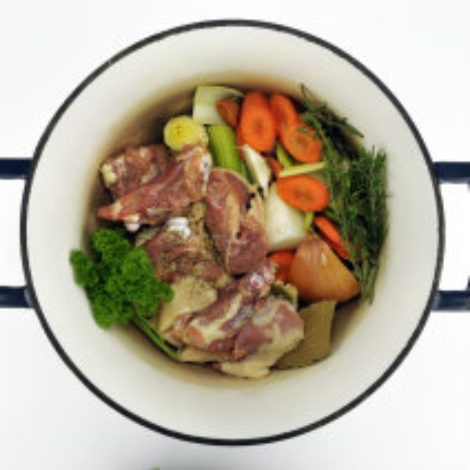
Homemade Poultry Stock
Winter 2019More Recipes With Chicken
Related Stories
Kitchen Elixir: Chicken Stock
Underground Butcher
Nose to Tail Eating: Making Use of the “Odd Bits”
In Praise of Braising
More Stories With Chicken

Edible in your mailbox
