

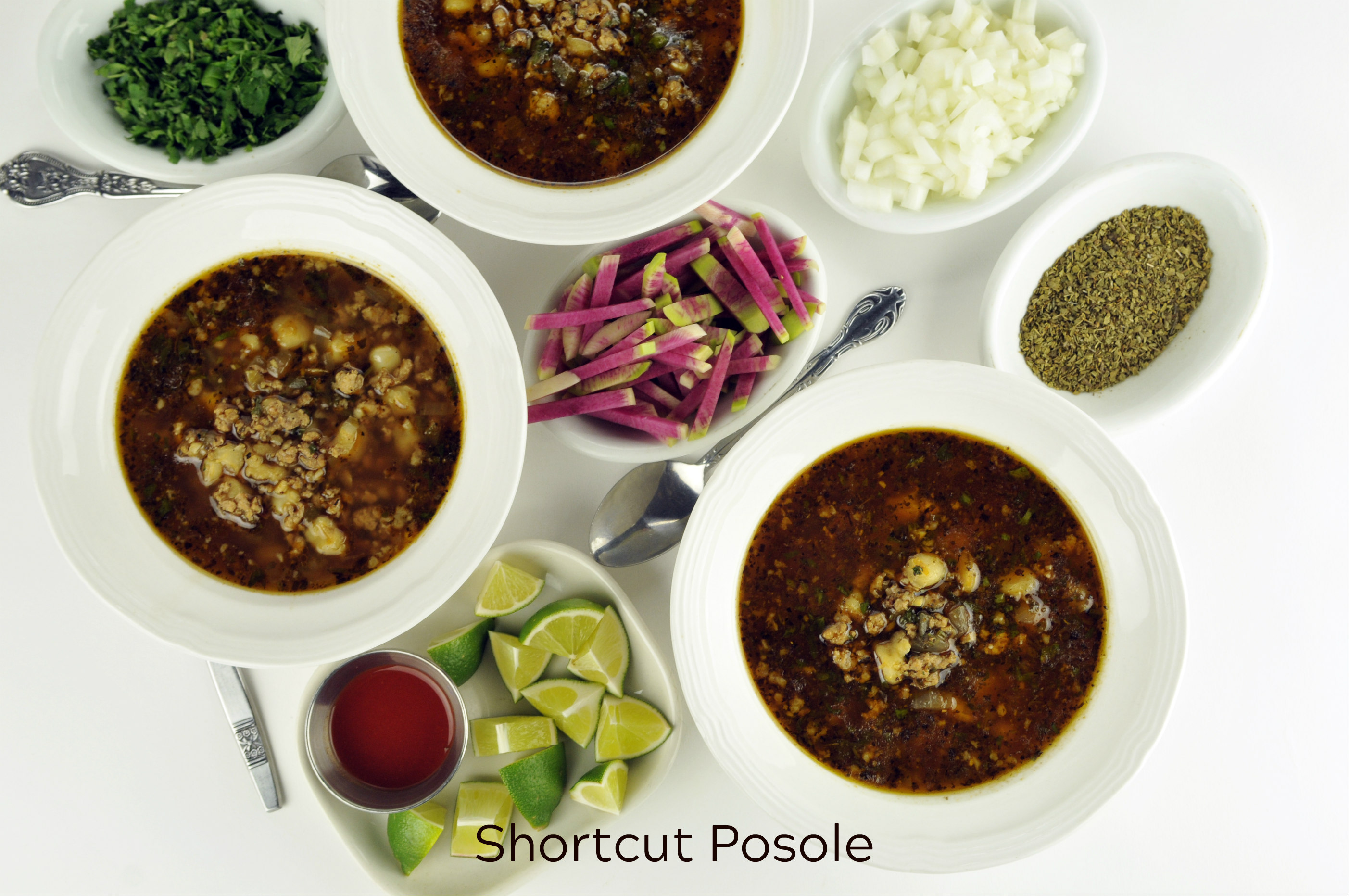
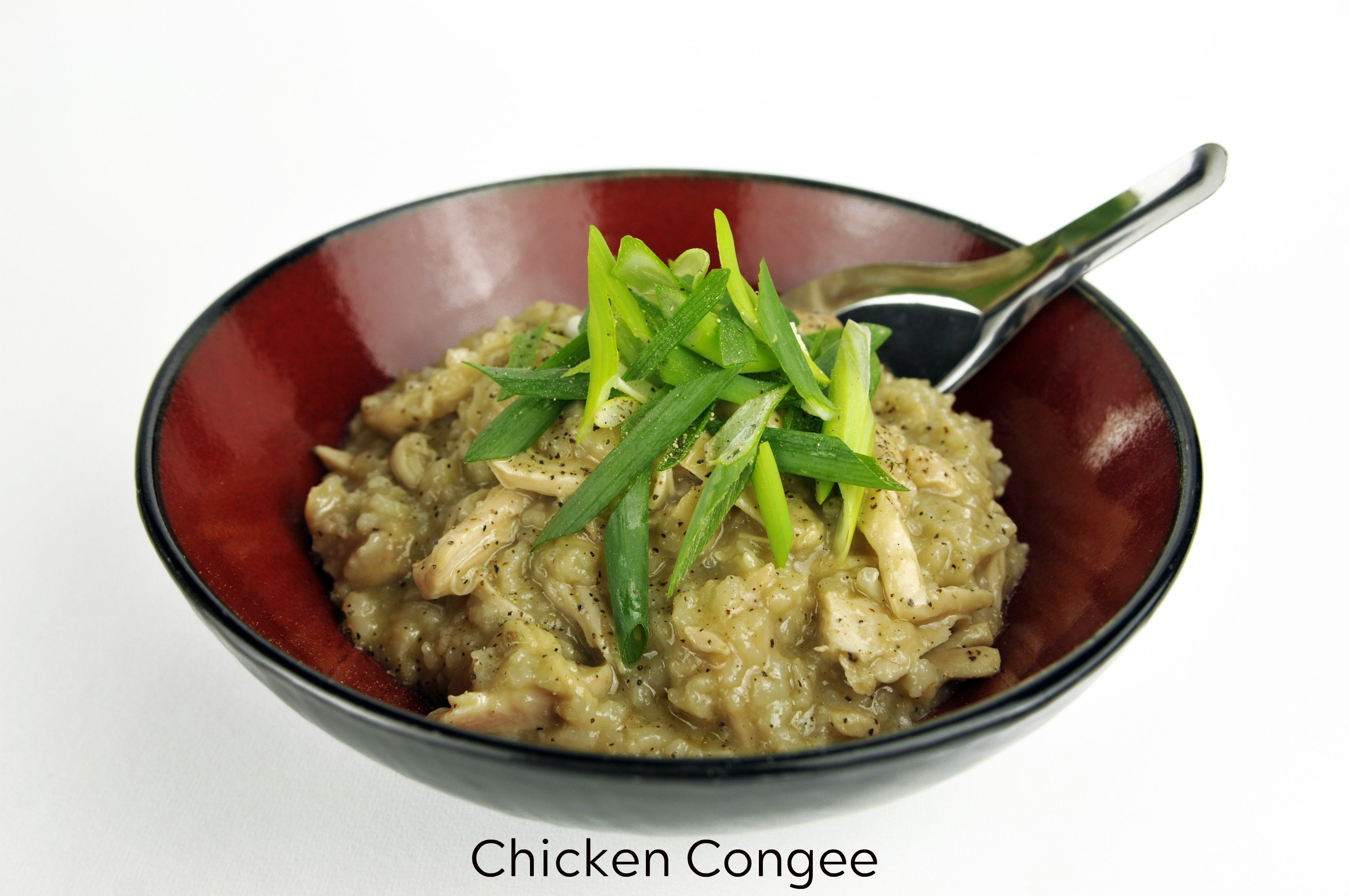
Chicken stock is a foundational food that sets off and improves a range of dish styles, from comforting plain fare like congee to feisty stews or soups such as posole. It’s a staple in the kitchen and a breeze to make from scratch.
Chicken stock is like a good pair of black jeans— it’s a foundation food that sets off and improves a range of dish styles, from comforting plain fare like congee to feisty stews or soups such as posole. Culinary stock is also like monetary stock—a valuable investment that gives back much more than you put into it. Extract the essence of chicken bones by slow-simmering them in water, and you’ve got a clear, flavorful liquid that yields rich- tasting sauces, fricassees, braised vegetables, grain dishes and so much more.
Stock can be made with other poultry, meats, fish and vegetables too. Still, when people say a soup seems homemade or a sauce is incredibly delicious, nine times out of ten, it’s chicken stock doing the trick.
To make it, start with a raw, naturally raised whole chicken. Cut it up yourself, saving the legs, thighs and breasts for a meal, and then roast everything else but the internal organs at 425 degrees, just until everything’s nice and brown. You’ll get the richest, tastiest stock using these parts, but you can also roast a whole bird, serving the meat for dinner and then simmering the bones and scraps for stock, without additional roasting. Either way, use cold water when you begin the stock, for better extraction.
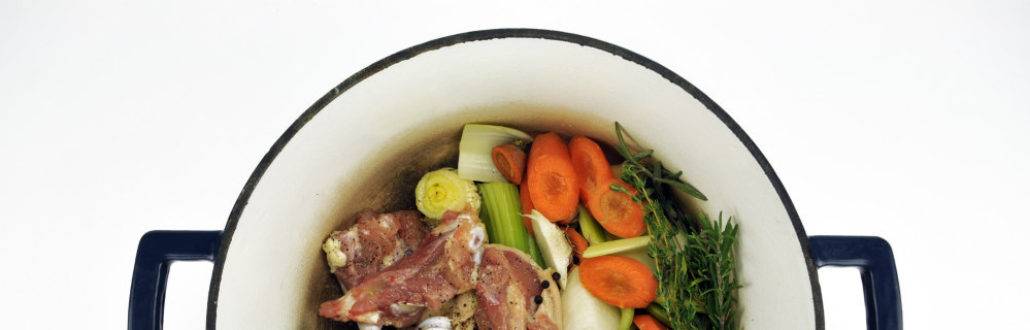
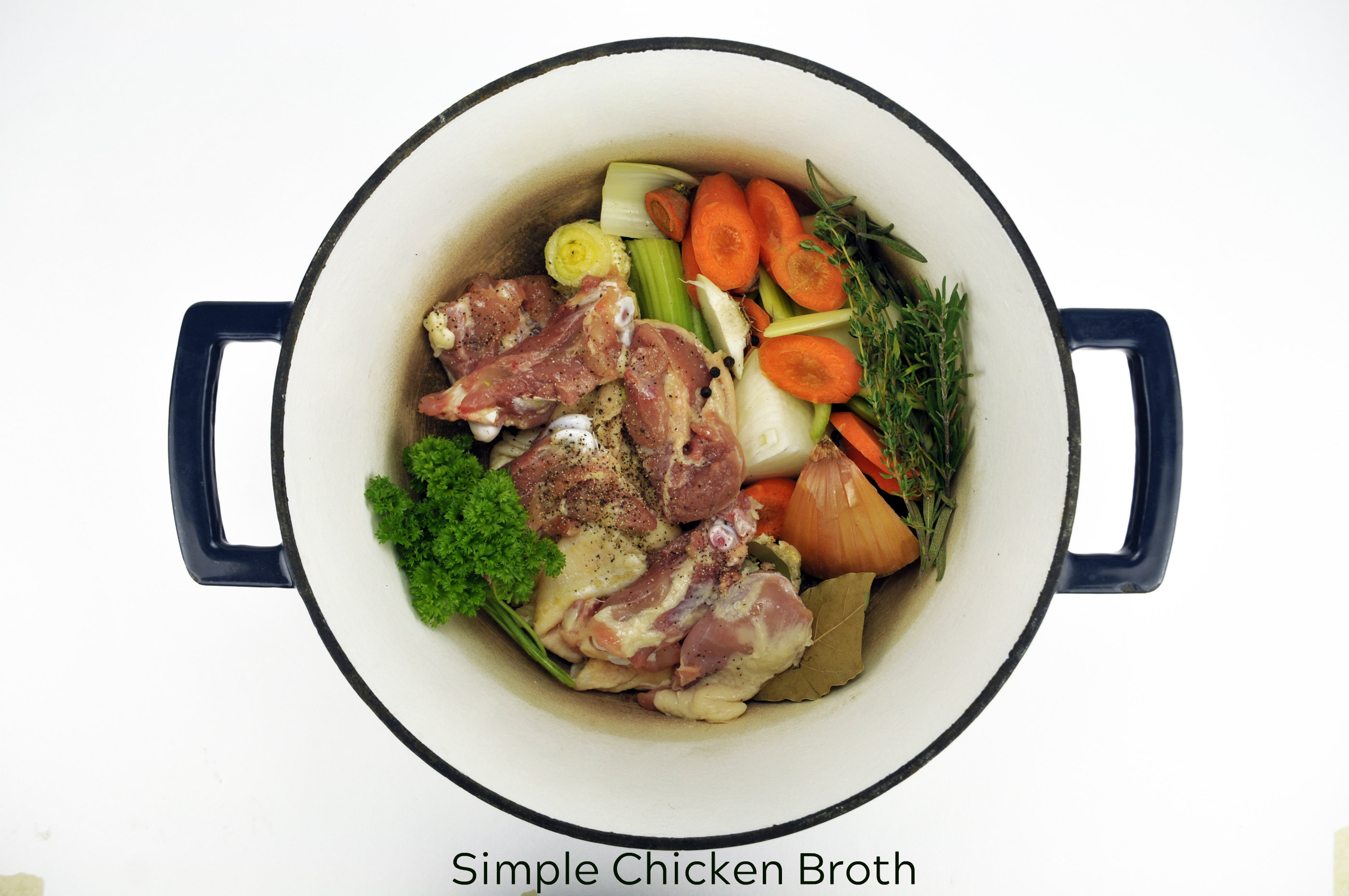
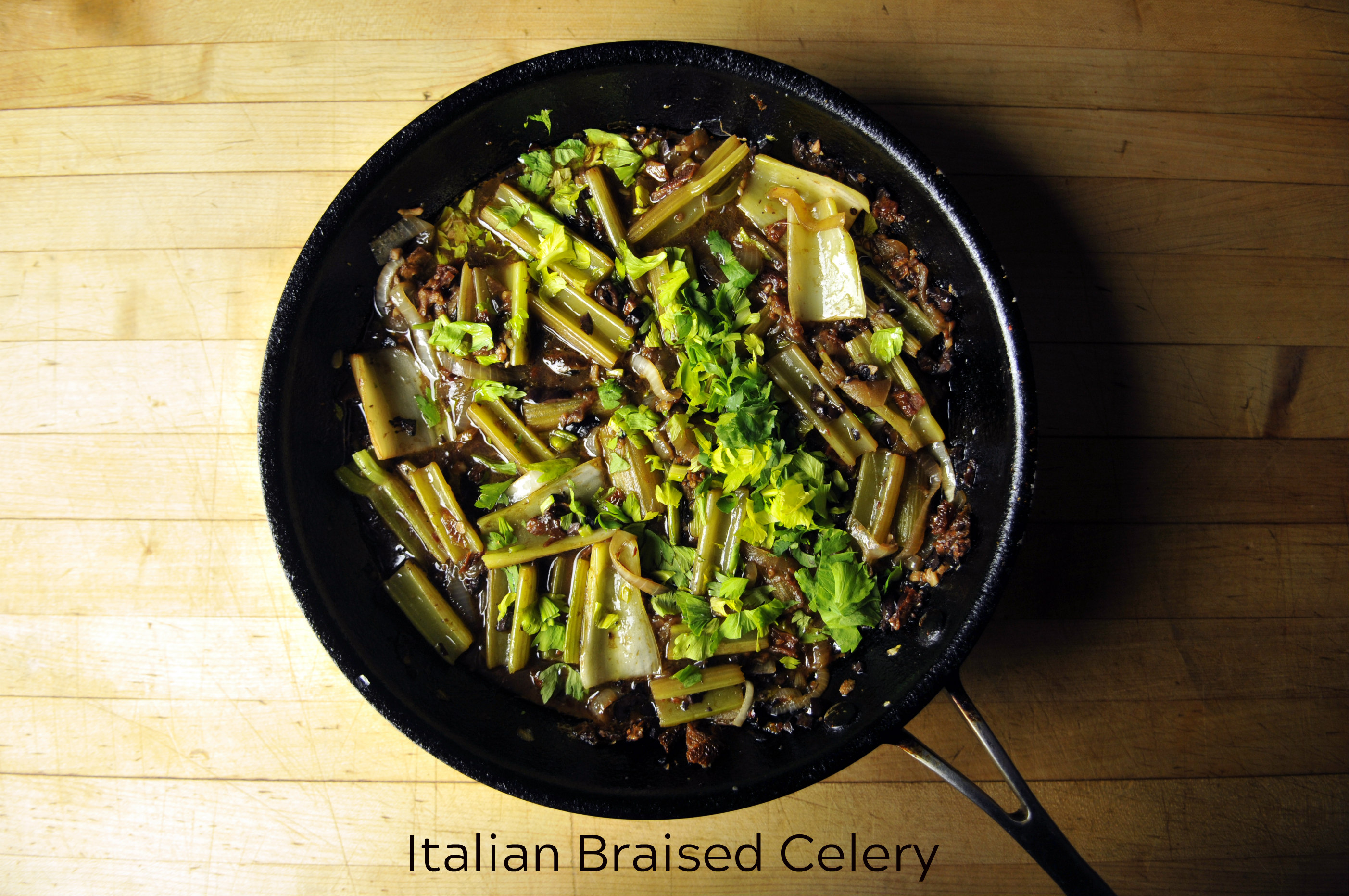
For enhanced flavor, include a little chicken flesh and a few aromatic vegetables and seasoning in the mix. There’s a lot of choices here, but my go-to vegetables for a balanced stock are carrots and onions, and sometimes celery or celery root. For seasonings, I favor whole peppercorns and parsley stems. Since these ingredients give up their essence more quickly than bones, I like to add them later in the cooking process. I never use vegetables that smell skunky when they’re overcooked (like broccoli and cabbage), but I do occasionally add extras like garlic cloves or cilantro roots, to give a specific international flavor to the broth. If I want a stock with deep color, I throw in a few onion skins also.
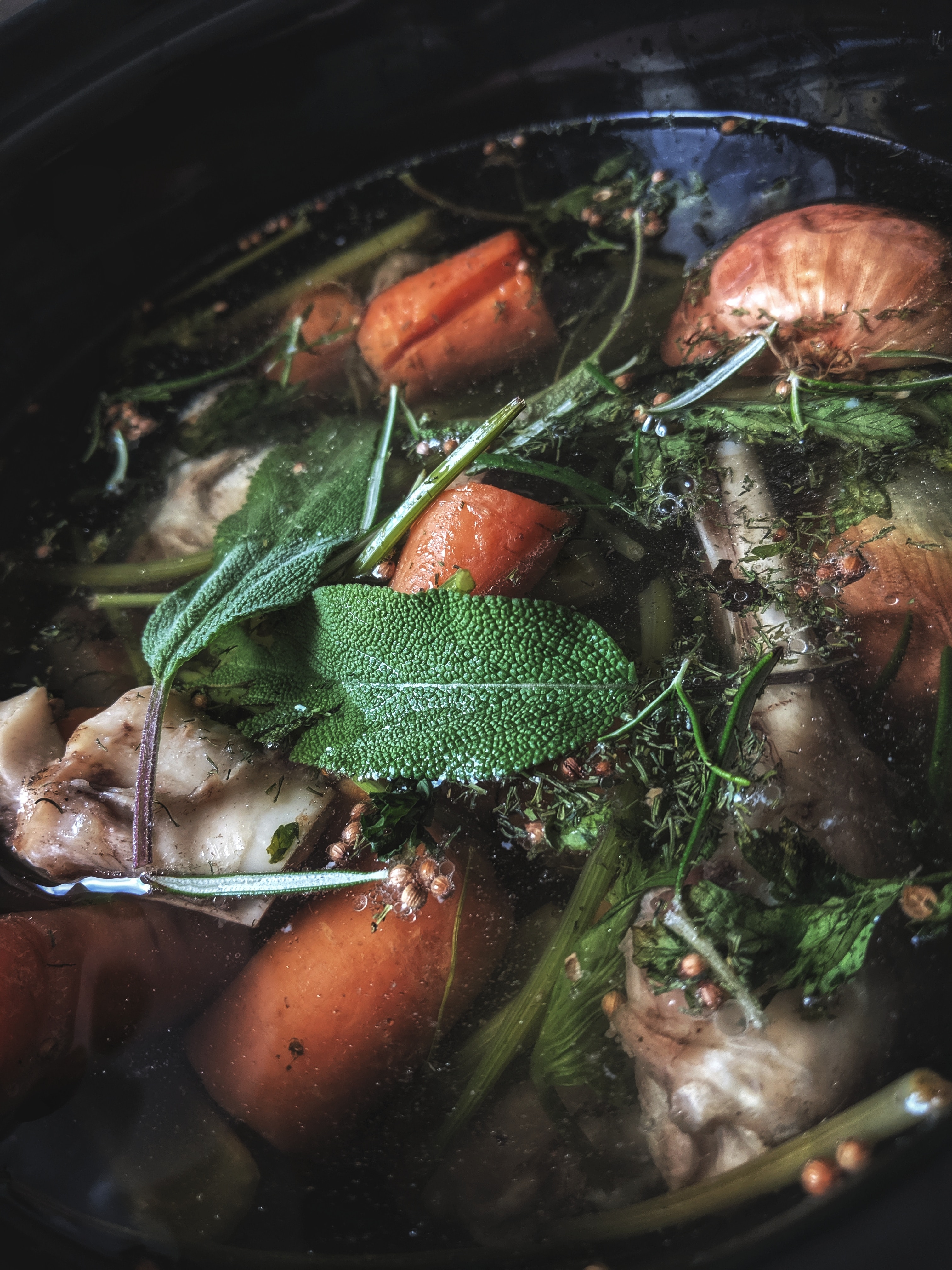
What I don’t add is salt...not until I use the stock in a recipe, when I know what else will be going into the dish. As a pre-salted liquid concentrates, so does its saltiness, so I don’t want to accidently overdo it. Skimming the stock after it comes to a simmer is advisable. This removes coagulated proteins that rise to the surface as foam as it cooks, although the worst that can happen if you’re not careful with this step is some cloudiness in the liquid.
How long should stock simmer? Depends on how much time you have and how you want to use the liquid. At about two hours, you’ll have broth, which will be light in flavor and texture. Broth can be seasoned and enjoyed as a hot beverage or used as a delicate base in recipes. Stock is cooked longer, four to six hours, enough time to release collagen from the bones and tissues of the meat, which creates a deeply flavored, gelatinous liquid. (Chilled, it will become thicker and be jiggly.) Stock is a classic culinary workhorse, used in countless savory dishes around the world. You can also drink it. Bone broth, so popular today, cooks the longest, 24 hours or more. The idea here is to release as much of the nutrients as possible to yield an extra-healthful elixir. Bone broth can also be used in culinary preparations.
Myself, I’m all about stock, which I feel offers the most benefits—deep flavor, practicality and nutrition. I love making it in winter as a cold-weather counterpart to the food preservation tasks of the summer harvest. I love how it warms and perfumes my kitchen. I let it cool down on my screened-in back porch, then ladle it into plastic containers to freeze.
FEATURED CHICKEN BROTH RECIPES

Featured Recipes
More Stories by This Author

Edible in your mailbox
