

When it comes to summer sauces, yogurt is a creamy, cooling base that can be readily altered with fresh herbs and aromatics. Make a batch from scratch and never risk running out again!
Summer is a time for sauces—not the thick bechamels and rich gravies of winter, but zippy things like pesto, pico de gallo and tapenade. Or the one I turn to most when temperatures surge: yogurt—the creamy, cooling base that is readily altered with fresh herbs and aromatics and that plays so well with garden veggies and grilled meats.
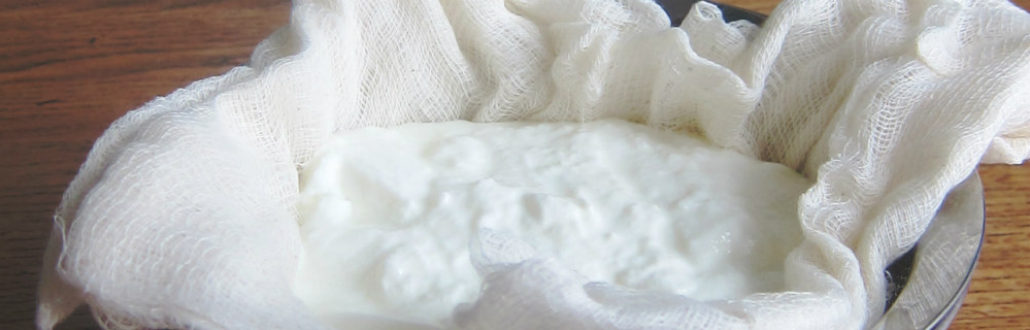
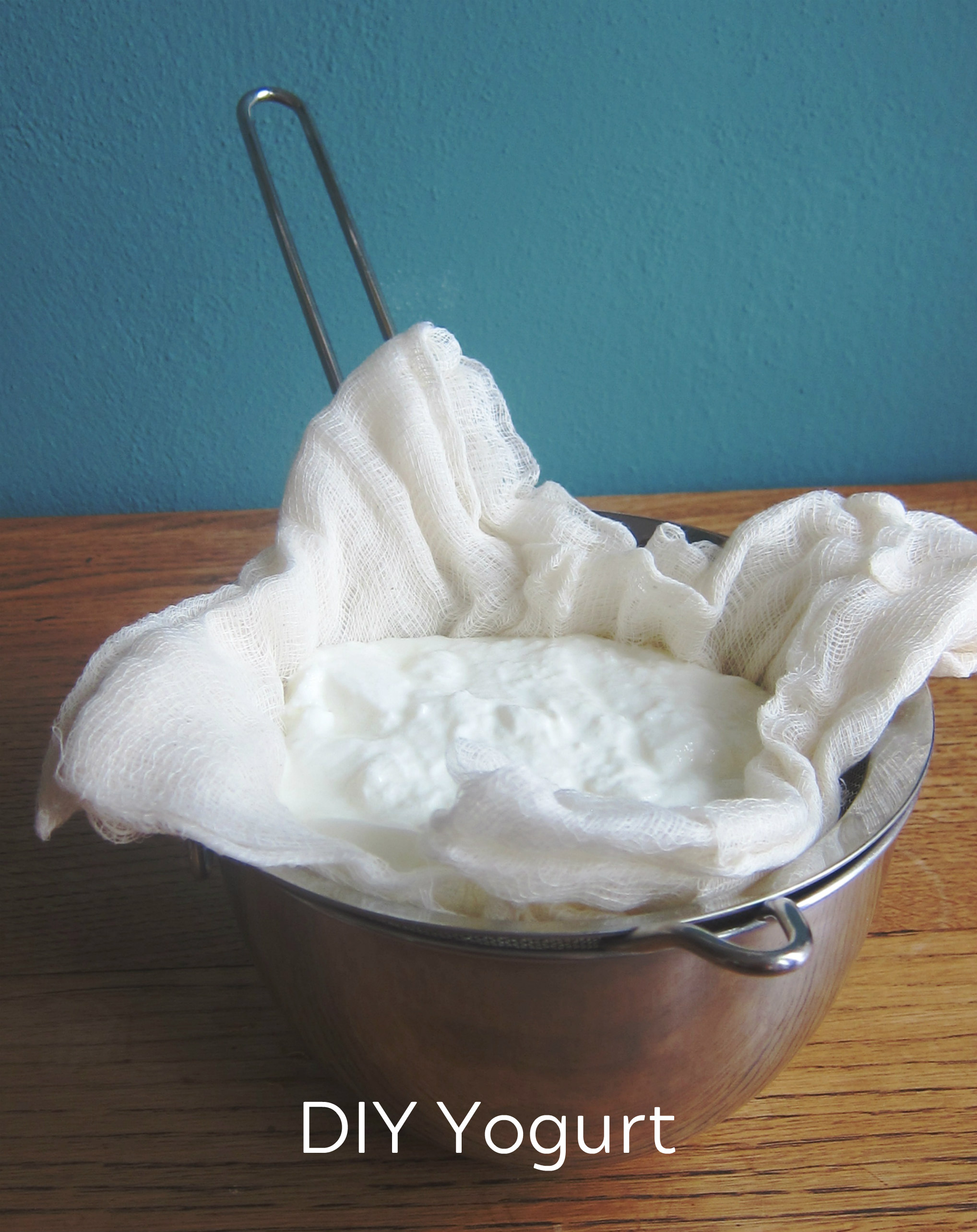
There are good yogurts on the market (also a lot of bad ones), but for DIYers there’s nothing more empowering than making your own. And happily, it’s one of the easi- est foods to ferment at home—no kneading, no aging and no skunky odors. You simply heat milk with a starter, set it in a warm place and leave it undisturbed to do its thing. In just a few hours it will thicken obligingly and acquire a delicate tanginess.
You can a buy a yogurt maker, but there’s really no need to, especially if your kitchen is small (like mine), with little room for single-use appliances. The method I like uses common cooking gear, nothing more complicated than a thermometer and something we all have on hand in summertime: a picnic cooler.
Heating milk at the beginning of the process improves the flavor and texture of yogurt, while cooling it down before adding the starter is necessary so that you don’t kill the bacteria needed to catalyze fermentation. For the starter, use a small amount of live-culture yogurt, the kind that contains no stabilizers or additives and that hasn’t been heat-treated. (Check that the label says “probiotic” or “active cultures.”) Live bacteria in the starter will convert lactose, the natural sugar found in milk, into lactic acid, which gives yogurt its signature flavor. Once you’ve made a first batch of yogurt, you can use some of it to start the next.
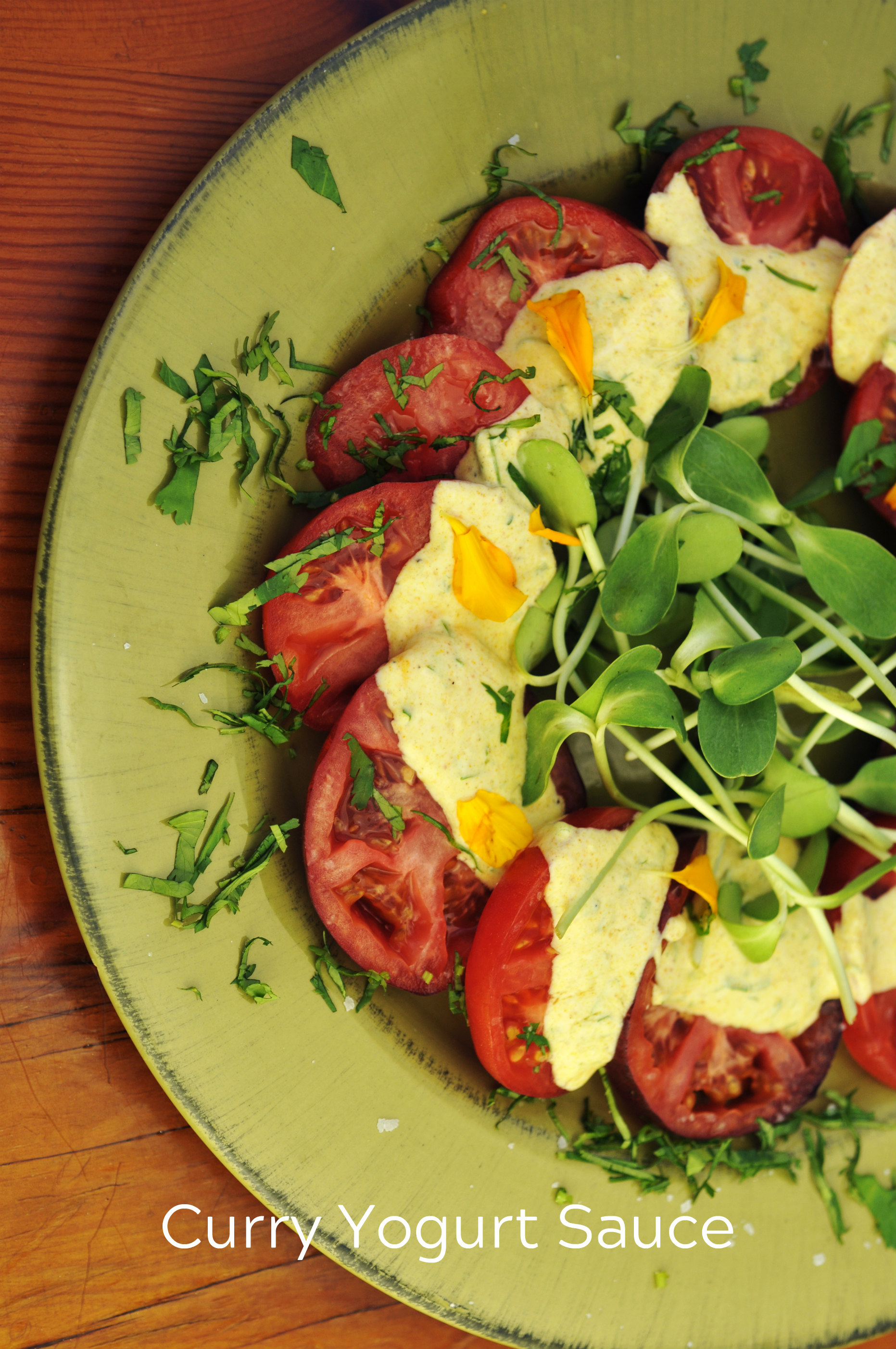
You already know a lot of common uses for yogurt: as granola topper, mid-morning snack, smoothie base, dessert go-with. Now add it to your repertoire as a dinnertime sauce. Fresh herbs, dried spices, lemon or lime juice, minced scallions, cubed cucumber, tahini—the list of potential additives stretches long. Or just do this: mix yogurt with a little olive oil, garlic and flake salt for a quick, righteous sauce that’ll give a summery boost to grilled chicken, fish and almost any vegetable the season throws at you.
FEATURED YOGURT RECIPES:


Featured Recipes


More Stories by This Author

Edible in your mailbox
