


Pumpkins are more than the decorative squash of the season. Pureed pumpkin is a versatile addition to a number of wintery dishes, including soups, stews, and the quintessential Thanksgiving pie.
I don’t carve Halloween pumpkins. I don’t grow or buy them either. It’s not that I don’t love All Hallows’ Eve; in fact, I can be a little nerdy about it. I decorate my front yard trees with cardboard skeletons and spiderwebby cheesecloth. I let out a blood-freezing scream when trick-or-treaters ring the doorbell and then offer them a choice of dead man’s fingers (aka pickled carrots) or candy bars. But instead of displaying spooky, candlelit squash-faces on my porch, I line the front stoop with six or eight pie pumpkins. That way, when Halloween is over, I can make pumpkin puree.
Compared to the pale, giant flavorless pumpkins used for decoration, pie pumpkins are smaller, darker and bred for their taste, not girth. You can tell they have better flavor than Halloween pumpkins because the squirrels go for them first. In fact, as soon as I see the first teeny teeth marks on one, I bring my pumpkins indoors to bake, mash and freeze the flesh.
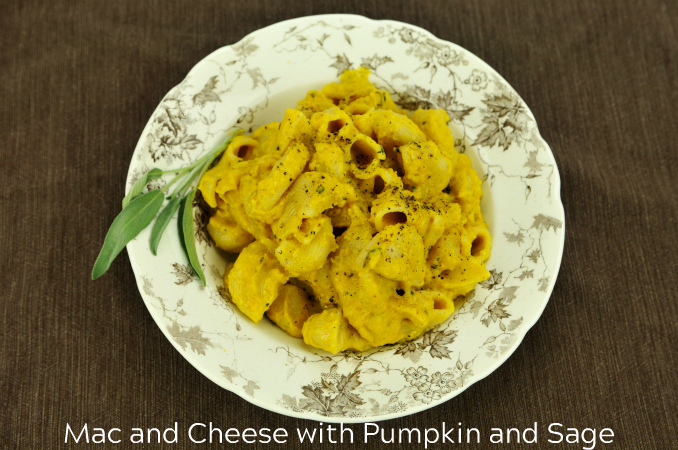
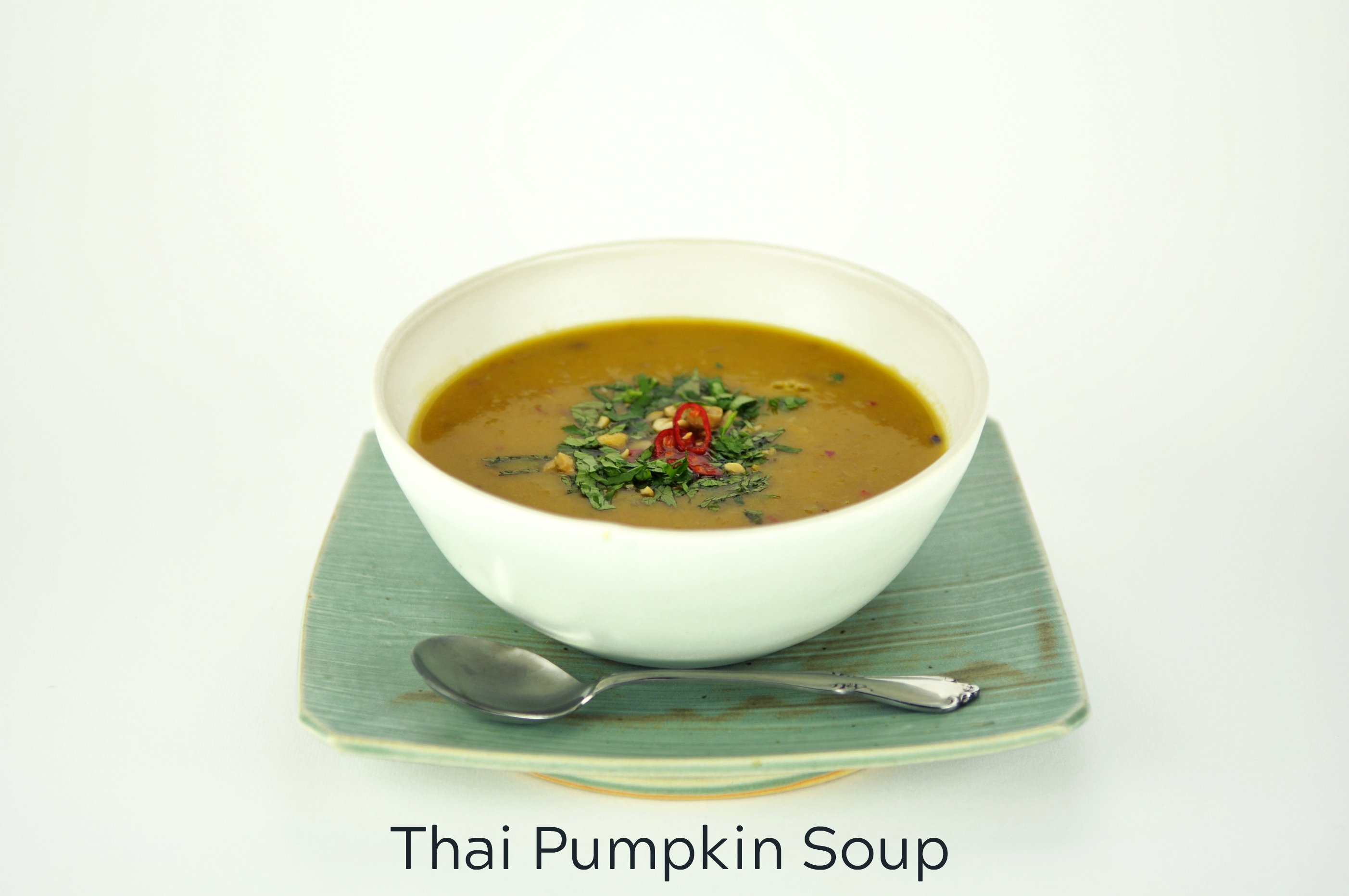
You should try this. With pumpkin puree on hand, you’re all set for Thanksgiving pie, plus it can be used in soups, stews, smoothies, pancakes, risottos, even mac and cheese. Or just add butter and maple syrup and you’ve got a simple side dish. Pumpkin’s sweet blandness takes to assertive complements like curry blends and chilies, but it also duos nicely with quieter flavors like nuts, cream, small amounts of sage or nutmeg.

I wish I could reveal to you the deep, dark secret of making pumpkin puree, but there is no such thing. The process is instinctual and user-friendly.
Start by pretending you’re about to bake potatoes. Poke the squashes all the way to the center in several places with a meat fork and bake at 350 degrees until fully tender (about 11⁄2 to 2 hours). Split them open, let cool, then pull off their skins and scoop out the seeds and fibrous material. Puree the flesh with a food processor or potato masher, cool it completely, and freeze the puree in sealed containers. No deep secrets there.
The method, by the way, works for most any kind of winter squash. The bigger they are, however, the longer they will take to bake. If you want roastier flavor and denser texture—and don’t mind the extra work—you can peel, seed and chunk up the squash before baking and pureeing it.
Bonus Shot: Roasted Pumpkin Seeds
When seasoned and roasted, the seeds from a baked (or raw) pumpkin make a savory, nutritious snack or a tasty garnish for soups and salads. To remove the fibrous matter that surrounds them, place the seeds in a colander under running water, swishing them around and pulling out the fibers. You won’t get it all—just get as much as you can. When cleaned off, let the seeds air-dry or pat them dry with paper towels. Toss with olive oil and sea salt (pepper or a little cayenne, too, if you like). Then spread them out on a baking sheet lined with parchment paper and roast in a 375-degree oven until golden brown, about 10 minutes, tossing once or twice as they bake. Sometimes I soak the seeds in salted water overnight before drying off and roasting them. These won’t need additional salt, as they will already be permeated with a light saltiness.
FEATURED PUMPKIN PUREE RECIPES
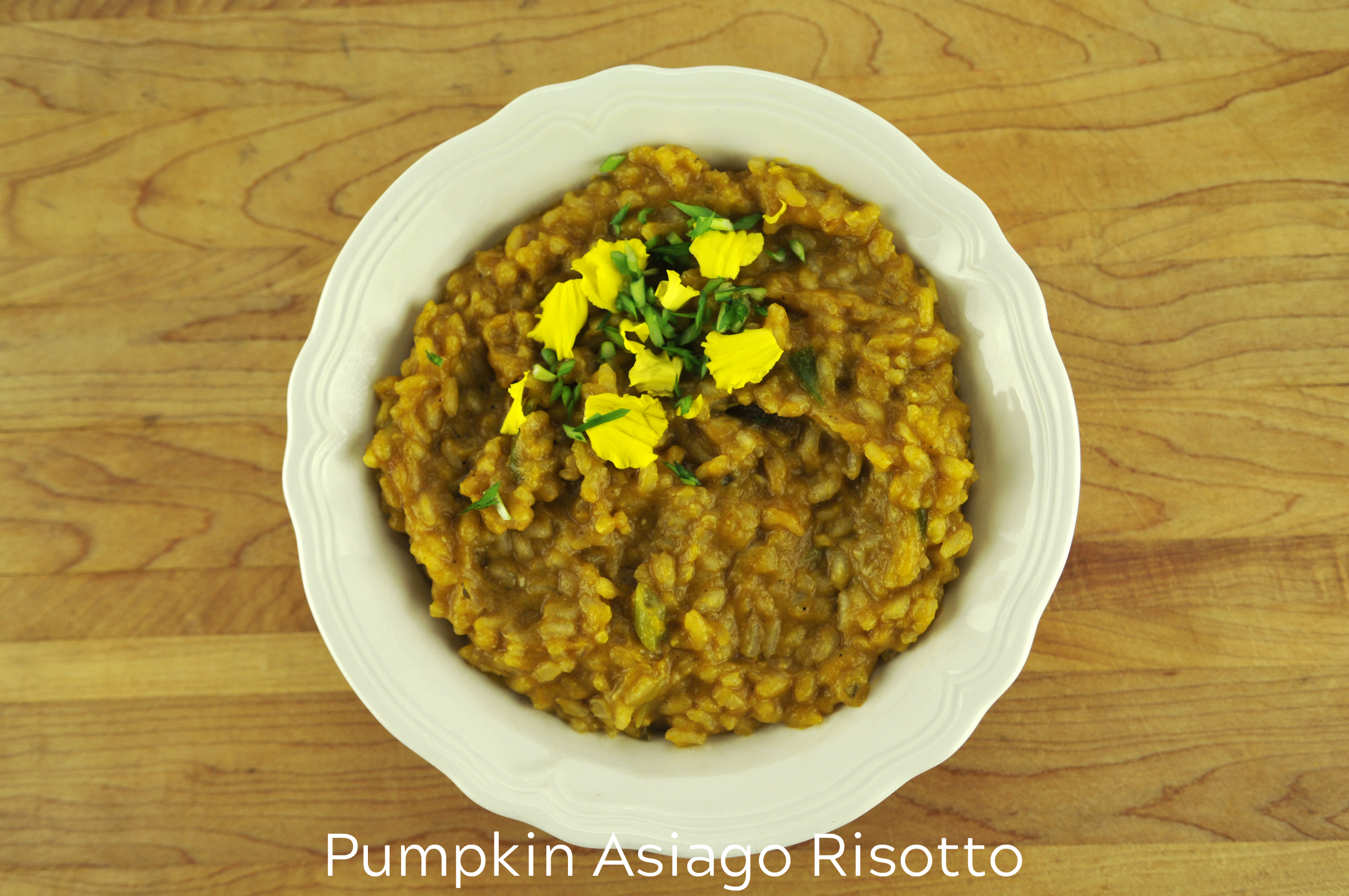
Featured Recipes
More Stories by This Author

Edible in your mailbox
