

Chile (Chili) Peppers
Cooking Tips
- Though chiles are common in Mexican dishes (100 varieties of the 200 are grown in Mexico), but try them in other dishes to spice up, such as an Indian curry, a Thai stir fry, or stuffed inside chicken or good ol’ American burgers.
- To cool the heat, don’t drink water—go for a glass of milk or plain yogurt.
Details
Capsaicin is what makes chiles hot, measured on the Scoville scale. Jalapenos—a pepper too hot for many—ranks only 2,000 on the scale, while the much more extreme habanero ranks 200,000. The famed Ghost Pepper tips the scale at over 1 million units!
Chiles have been grown by native Central and South Americans for over 7,000 years, and there are over 200 types of chiles cultivated today around the world (Thank you, Columbus). Most have very specific flavors and uses, from sweet and mild, to chocolatey, to smoky, to aromatic. And each seems to have an “appropriate” use. Chipotles are synonymous with Southwest cooking; Anaheims are good for stuffing; Poblanos are always used in chile relleno dishes; Mulattos go into chocolatey mole sauce. There’s even a flavorful Beaver Dam pepper that was brought to Wisconsin from a Hungarian immigrant family three generations ago.
When purchasing fresh peppers, make sure they are firm and glossy. Dried chiles have less to check, but make sure they’re free of mold and still have their color (dull color = dull flavor). Wear gloves when handling to prevent the capsaicin from irritating hands, or to avoid getting in the eyes. If working with especially pungent peppers, it’s recommended to wear eye protection and even a face mask.
Nutrition: Two teaspoons of dried chile pepper are high in vitamin A, though two teaspoons makes a pretty potent dish.

Related Recipes
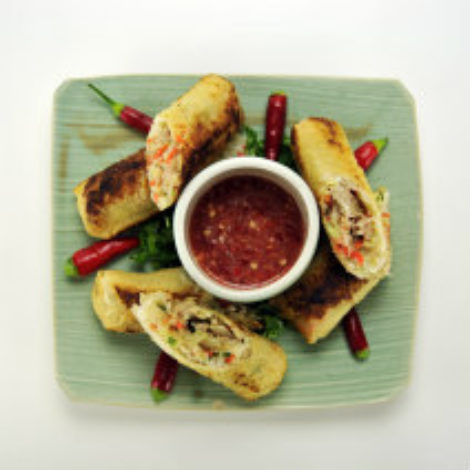
Vietnamese Red Chile Dipping Sauce
Fall 2019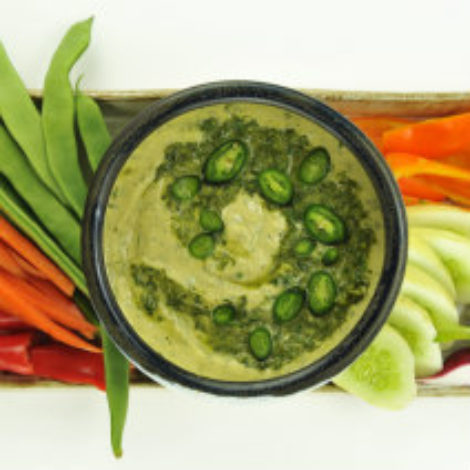
Zhoug
Fall 2019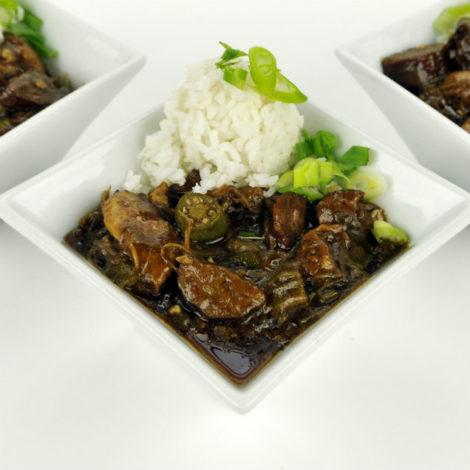
Fried Chicken & Sausage Gumbo
Fall 2017More Recipes With Chile (Chili) Peppers
Related Stories
Hot Peppers
A Food Preserving Lightbulb Moment
Salsas for the Season
Take the Plunge: Fall Dips
More Stories With Chile (Chili) Peppers

Edible in your mailbox
