

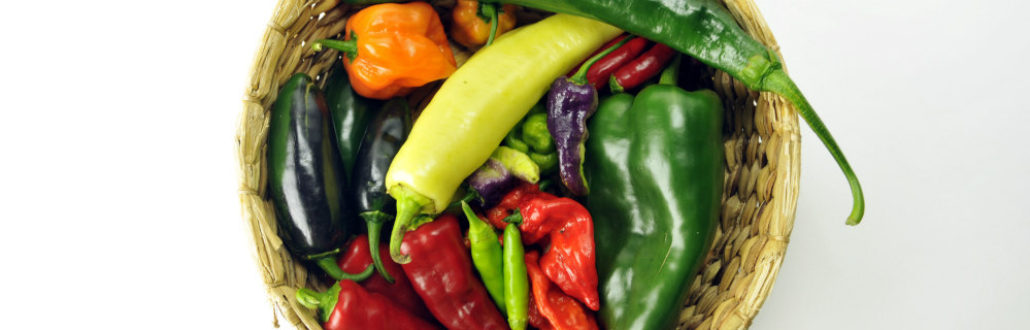
Perhaps our Midwest farmers and gardeners like hot peppers because they crave a challenge. Hot peppers are tricky to grow in our short growing season but not impossible.
You’d think hot peppers wouldn’t be a big deal in Wisconsin, but they kind of are! A native of Mexico, Central America and northern South America, hot peppers (aka chiles or chilis, of the Capsicum genus in the nightshade family) are known to grow best in hot, dry climates with long growing seasons—not exactly a match for our conditions. Case in point: Hatch, New Mexico, claims to be the “Chile Capital of the World” and has a 193-day growing season, whereas Madison’s is a full 30 days shorter. Plus, we Midwesterners are pegged as bland “meat and potato” types, not known for our adventurous eating or fiery cuisine. Why, then, is the Madison area home to not one, not two, but at least five hot sauce producers and all sorts of hot pepper growers? I guess we’re not so bland after all.
I like to think that one of the reasons we’ve embraced chiles in the Midwest is because of the good ol’ melting pot of American culture. Wisconsin isn’t just home to Native American, German, Norwegian and Irish immigrant populations anymore; we are now home to one of the largest Hmong populations in the nation, as well as growing Hispanic, Chinese, Indian and African American populations—all of which revere hot peppers in their cuisines. Also, Badgers are feisty critters, so of course we gravitate culturally to fiery foods—think chili eating contests at community fundraisers and hot chili dogs at sports events. Plus, spicy food helps warm us up during our long winters. Or maybe it’s just because hot peppers are so darn good in cheese.
Maybe our Midwest farmers and gardeners love chiles because they love a challenge. Hot peppers are tricky to grow in our short growing season but not impossible. Market farmers and home gardeners both employ tricks like starting seeds super early inside on heat mats, using black plastic mulch or greenhouses to create hotter microclimates, and trimming the plants before a frost to put maturing peppers into overdrive. The internet is full of hot-pepper-grower bloggers and their wily ingenuity.
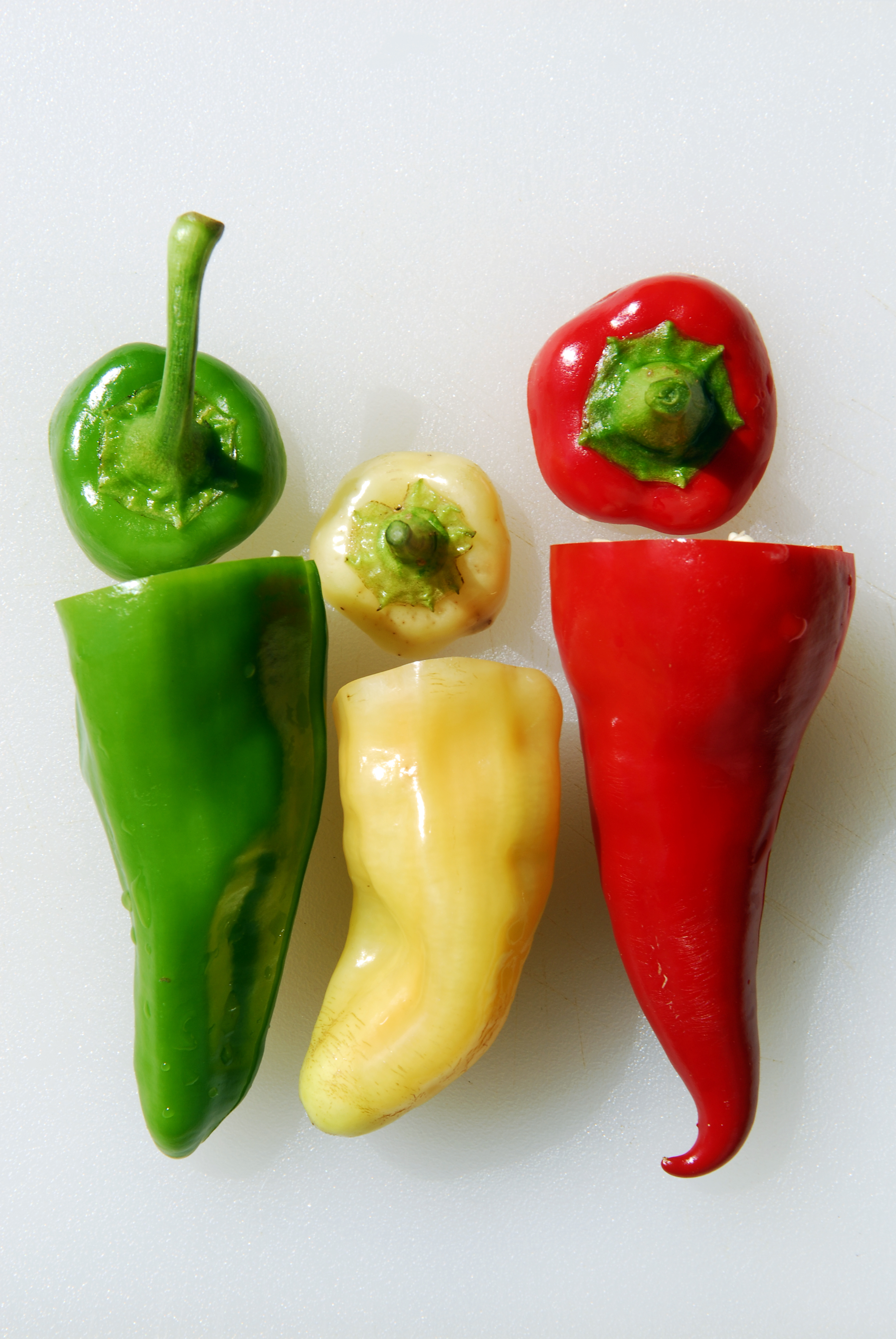
I’m always surprised at the sheer quantity of hot pepper varieties available through Midwest and northern region seed companies. Seed Savers Exchange in Decorah, Iowa, has 22 varieties in their current seed catalog; Jung Seed Company of Randolph, Wisconsin, and Johnny’s Selected Seeds out in Maine both have 38; and Baker Creek Heirloom Seeds in Mansfield, Missouri, has 48. It seems like improved varieties come out every year, and they’re all quite alluring in glossy seed catalogs with their myriad colors, shapes, and heat ratings (especially during a chilly January white-out when you’re dreaming of spring).
If you’d like to grow hot peppers next year, look for varieties that mature early, and start them indoors to give them an edge in our relatively short growing season. Pick a few varieties that suit your tastes. If you don’t like spicy food, pick peppers that fall into the super-mild or mildly hot categories. Only get off on outrageously hot peppers? Go for the hottest, but make sure you start them extra early. For some reason the hottest ones seem to take the longest to germinate.
A note on heat ratings: They are really more of a guideline than a steadfast rule. The spiciness of chiles can vary tremendously by environmental conditions, maturity and genetics. So before using hot peppers in any dish, I always taste a slice. If it’s way spicier than I anticipated, I cut out the seeds and ribs and maybe use less than planned. If it’s tamer than I was expecting, I keep the seeds in and maybe use more.
Now, why anyone wants to grow a chile that has the same heat rating as pepper spray is beyond me. I once ruined a large batch of chili with just a tiny pinch of a dried Scorpion pepper that a fanatical British chilli (the way they spell it in Europe) gardener gave me. Inedible-y hot! What’s the point if you can’t actually eat it?! But to each their own.
To get you inspired I suggest making some homemade hot sauce this summer or fall. It’s super fun, and they make great gifts. I usually make several different kinds using two different methods: a cooked, vinegar-based version that I preserve or keep in the refrigerator, and an uncooked, lacto-fermented version.
I’ve been making the simple vinegar-based sauce for years. I usually can it in a hot water bath, but you can also keep it in the refrigerator for quite some time if you’re not a canner. Take a whole bunch of ripe orange and red hot peppers and a few sweet orange and red peppers. Stem and coarsely chop them (with gloves on), maybe cut the seeds out of at least some of the hottest varieties (we’re going for maximum flavor not maximum burn), and pack them in the food processor with some chopped up garlic, pulsing until the whole mix is finely minced. Pack this mix into a non-reactive pan (enameled or stainless steel) and just barely cover the peppers with about three parts apple cider vinegar and one part water. Bring this to a simmer for about 10 minutes, then pack into glass jars to can or store in the fridge.
I really like the chunkiness of this hot sauce, but if you want a thinner sauce that can go into bottles, you can puree the cooked mix, then pass it through a fine-mesh strainer (then back to the fridge or the hot water bath canner).*
The uncooked, lacto-fermented hot sauce is a bit more of a process than my old stand-by vinegar method above, but it yields a much more complex sauce that’s full of beneficial bacteria for your gut. Check out the lovely Pickled Pepper Hot Sauce recipe by Laura Poe from our summer 2019 edition and available online at EdibleMadison.com. I really like to ferment different varieties in different jars and then custom mix them to taste at bottling time. The colors and flavors that result are super amazing.
An important word of advice when working with hot peppers: Invest in gloves! Don’t even think about seeding a bunch of hot peppers without vinyl or latex gloves on. You will regret it. I speak from experience. Painful experience. So don’t be stupid. Badgers are way smarter than that.
Can’t stand the heat? Try one of the nifty new heat-less varieties of habaneros. They have all the complex citrusy flavors of a habanero but none of the burn (Roulette or Habenada are two kinds). Or try some of the slightly warm varieties, like Anaheim or shishito. Carefully removing the seeds and white ribs from the slightly hotter chiles like poblanos or serranos wild yield a less spicy pepper, too. If you eat any chile at its green, immature stage, it’s also a bit less hot. Cooking will take a bit of heat out of chiles, as does adding sugar.
If you like the heat, you can usually build up a tolerance through exposure. When I studied abroad in Mexico, I was a real Midwestern pansy when it came to chiles. But after several months of eating what my host family ate, I downright craved hot peppers (mas pica, por favor)!
If you can’t or don’t feel inclined to make your own hot sauce, you can still dive in! Find these Madison-area-produced hot sauces online or at local markets like The Conscious Carnivore, Jenifer Street Market, Underground Butcher, and the Dane County Farmers’ Market: Dashelitos (Madison), Mandy’s Mood Foods (Madison), Ghost Valley Farms (Middleton), Bushel & Peck’s (Beloit), 537 Co. (Madison), 100 Mile Sauce Co. (Madison).
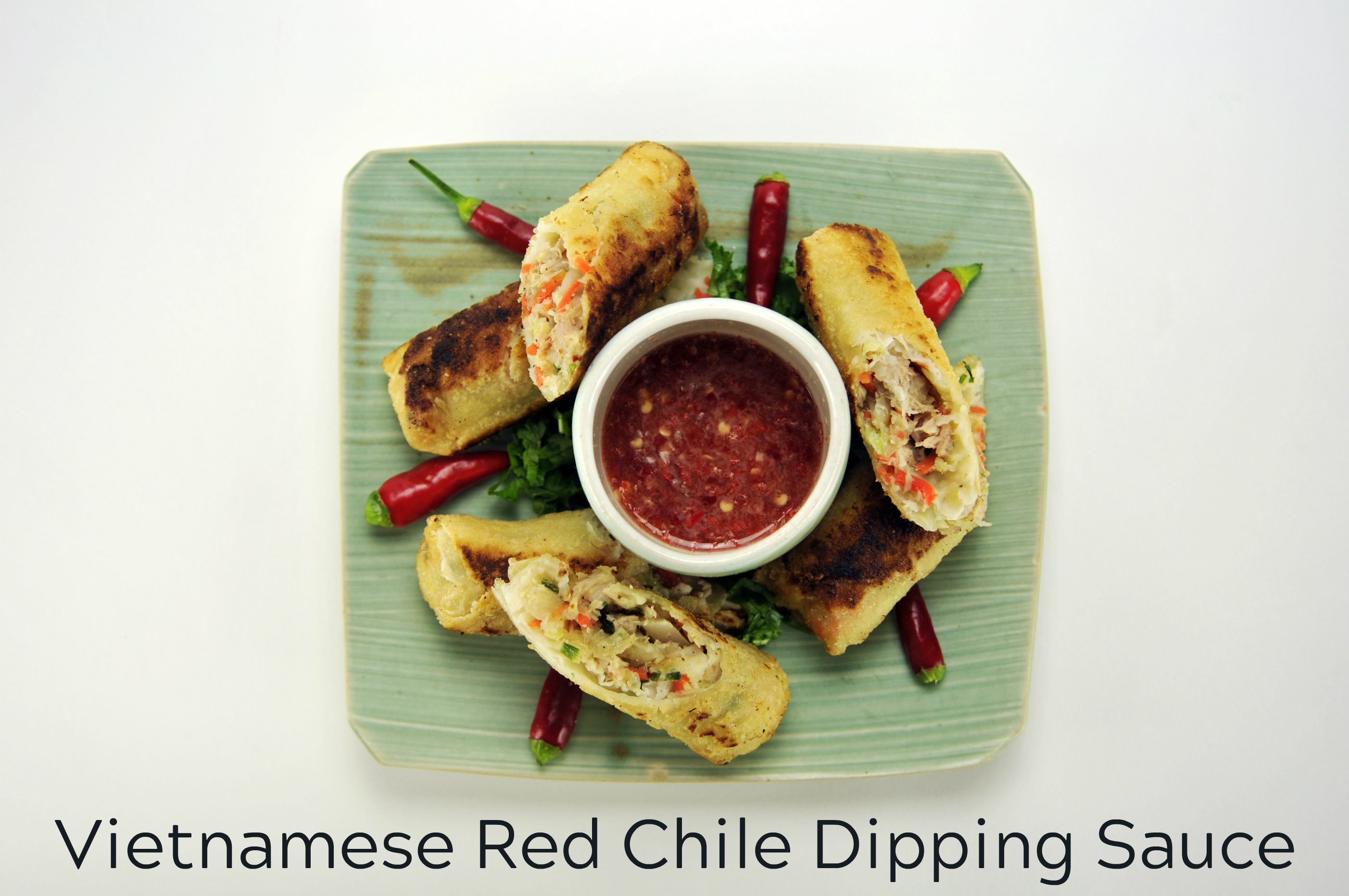
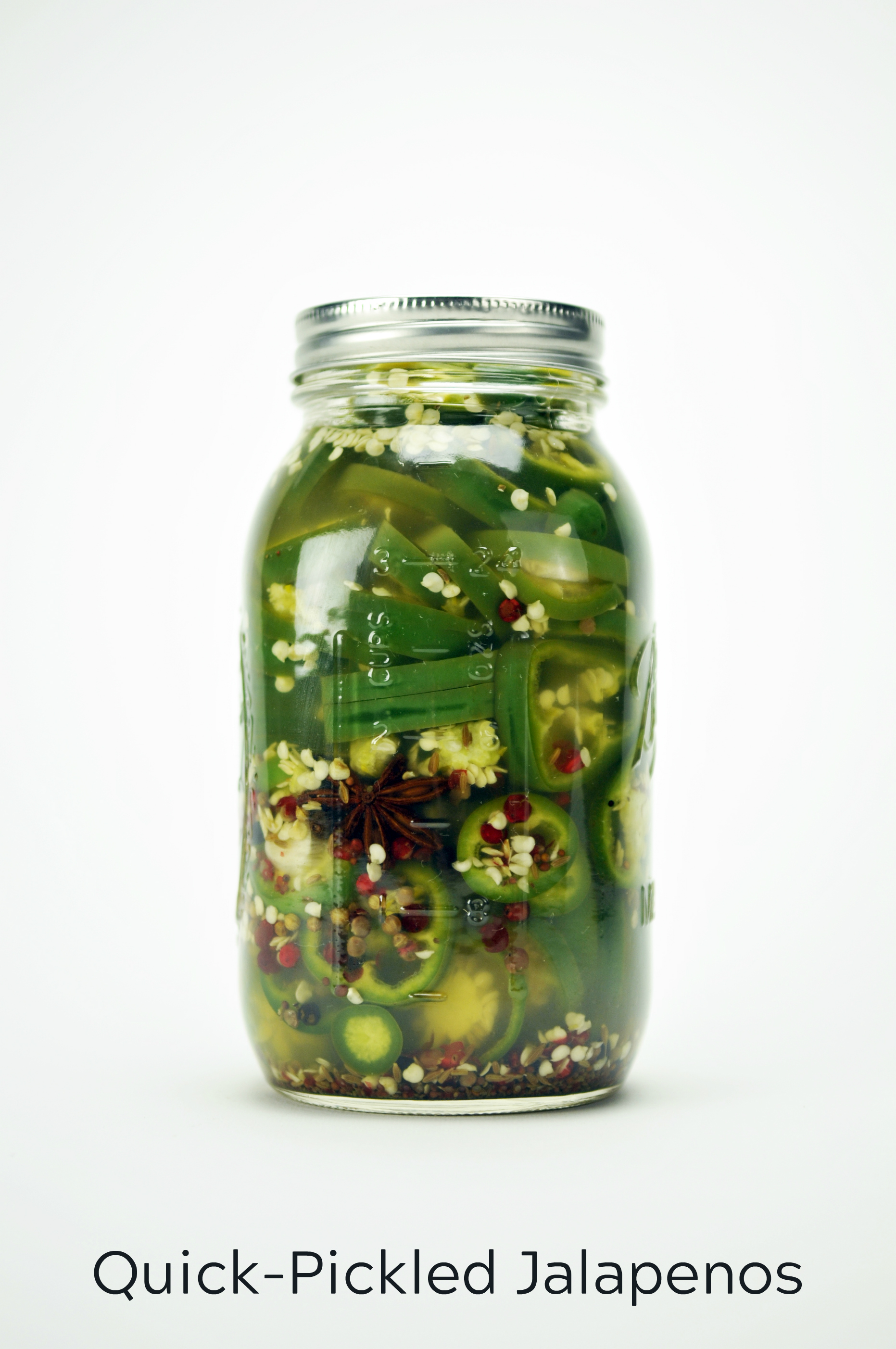
FEATURED HOT PEPPER RECIPES
Featured Recipes


More Stories by This Author

Edible in your mailbox
