

Spring-dug parsnips are intentionally left in the ground over the winter, where they get covered in snow and take a long, cold sleep. During hibernation, freezing temps convert the parsnips’ starches to sugars, making them much sweeter and less bitter or earthy, as well as a bit more tender than their fall-harvested counterparts.
Spring-dug (aka overwintered) parsnips are the same parsnips that usually get harvested in the fall but, instead, are intentionally left in the ground over the winter, where they get covered in snow and take a long, cold sleep. During their hibernation, freezing temperatures convert the parsnips’ starches to sugars, making them much sweeter and less bitter or earthy, as well as a bit more tender than their fall-harvested counterparts. Historically, farmers would leave some of their crop in the ground after the fall harvest because they kept better there until spring than ones that were stored in root cellars. Today it’s done mostly for flavor, and once you try them you’ll know why!
After a long winter of eating storage root vegetables, it doesn’t seem reasonable to ask you to get excited about yet another root vegetable, but spring-dug parsnips are worth the wait. Sweet and mild, they’re a seasonal treat that makes a brief cameo at early spring farmers markets and spring CSA boxes in the shoulder time between the end-of-winter storage crops and the beginning of common spring crops.

Parsnips in general are a finicky and time-consuming crop to grow, and spring-dug ones take even longer, so you know if farmers are willing to put in the extra effort they really must be good. To learn more about the cultivation of overwintered parsnips, I went straight to one of the farms that make that extra effort: Harmony Valley Farm outside of Viroqua. My friend Andrea Yoder co-owns the farm with Richard DeWilde, who started Harmony Valley back in the 1970s and has been growing parsnips for 25 to 30 years. Richard introduced me to spring-dug parsnips almost 20 years ago when I started managing the produce department at our local food co-op.
Andrea is a trained chef turned farmer and an excellent writer, so I’m going to offer the words she gave me on the subject verbatim:
“Parsnips, in general, are a challenging crop to grow. They have a long germination window and you plant them fairly early in the spring when the soil is cool and weather can be unpredictable. Once they are up, their growing season is very long, which means more time to manage fertility needs and do battle against weed pressure. Once we come up on the end of the season (fall), it seems pretty crazy to leave a high dollar crop in the dirt to be covered by snow and expect to go back five to six months later and expect them to be good. There are risks. The chances of losing product to rot and decay are greater, and they are fair game for critters. Deer really enjoy digging up sweet parsnips for a nice winter treat and can wreak havoc on a field if they discover them, which is why we do sometimes have to fence them.
“Harvesting in the spring can also be a challenge. We have to wait for the ground to thaw, but then sometimes it’s too muddy to get equipment and people into the field. And of course we sometimes have wet, rainy springs or late snowfall that can impede harvest efforts. We use a bed-lifter to undercut the bed of parsnips and loosen the soil around them, but we still have to pick them up by hand. Also, overwintered parsnips are naturally at the point in their life cycle when it’s time for them to grow again, so they are quick to sprout. We try to get them out of the ground before that happens, but they can start to sprout in storage as well if held too long. So we try to get them washed and distributed within a few weeks.”
Quick explanation: Parsnips are biennials, meaning they create seeds their second year. After overwintering, they must be harvested in the spring during a very brief window after the ground thaws but before their tops start to grow back. Wait too long and the roots will start to get woody and bitter as they send all their energy to their tops to grow and eventually develop seeds.
Back to Andrea: “After all the hullabaloo we go through to get overwintered parsnips, many may wonder why we do it. Well, farmers are risk-takers by nature, so why not? We also grow them because they are an important part of our seasonal diets and they are so sweet and delicious, so unlike fall harvested parsnips.”
One Taste is Worth the Effort
Anything you can do with regular parsnips or other root vegetables will be delicious: roasted, sautéed, steamed, mashed, stir-fried. Just know they’ll taste sweeter than fall-harvested parsnips, so you may want to contrast and complement that sweetness with a splash of something tangy like vinegar or lemon, or salty like tamari or miso, or spicy like mustard or hot chilies.
I like to braise them in a dark beer with shallots and a bit of butter until glazed, adding a bit of grainy mustard at the end. For an amazing soup, try roasting chunks with some celery root (aka celeriac) and a bit of caraway seed until starting to brown, then simmer with sautéed onions, garlic, and chicken or vegetable stock until soft. Then puree it all and reheat with some crème fraiche (top all that with some crunchy hazelnut dukkah from the winter 2019 edition of Edible Madison for a real treat!).
Surprisingly, you can even take advantage of that extra sweetness by using overwintered parsnips in baked goods. Replacing carrots with parsnips in your favorite carrot cake recipe is a no-brainer. Andrea says they have a regular market customer who seeks out overwintered parsnips specifically to make parsnip pie and to add to his homemade bread. Annemarie Maitri from Bloom Bake Shop developed a tasty Parsnip Oatmeal Chocolate Cherry Cookie recipe specifically for Harmony Valley (we’re hoping they’ll have some at Bloom this spring!). In this issue, we’ve included Andrea Yoder’s recipe for Parsnips with Browned Butter, Pecans and Maple, which she says is “particularly fitting in the spring with fresh maple syrup.”
Parsnips are part of the Umbelliferae family, closely related to carrots (duh), parsley and celery, native to the Eurasian continent. Parsnips were an invaluable crop there since ancient times. In early colonial North America, it became a staple starch and sugar source for both humans and livestock before the proliferation of the potato from its native Peru in the 1800s. In old grape-less England, it was considered the best thing to make wine out of besides elderberries. It’s still made into wine and beer today, albeit rarely. Colonial Americans as well as modern home winemakers claim that parsnip wine rivals Madeira, but I’ll believe it when I taste it.
When shopping for spring-dug parsnips, look for firm, creamy, off-white roots that are relatively unblemished and haven’t yet started to sprout. Stick to small or medium ones as larger roots may have a tough core that you’ll have to cut out, depending on what you’re doing with it. (Those cores and any trimmings or peelings make delicious homemade stock with other vegetable scraps, though, so it’s not a total loss.) If they’re organic, no need to peel them—nutrients and flavor tend to concentrate in the skin, so just scrub well. Parsnips in general are high in both soluble and insoluble fiber, vitamins C and K, folate, potassium, and antioxidant micronutrients to boot, so eat away!
FEATURED RECIPES
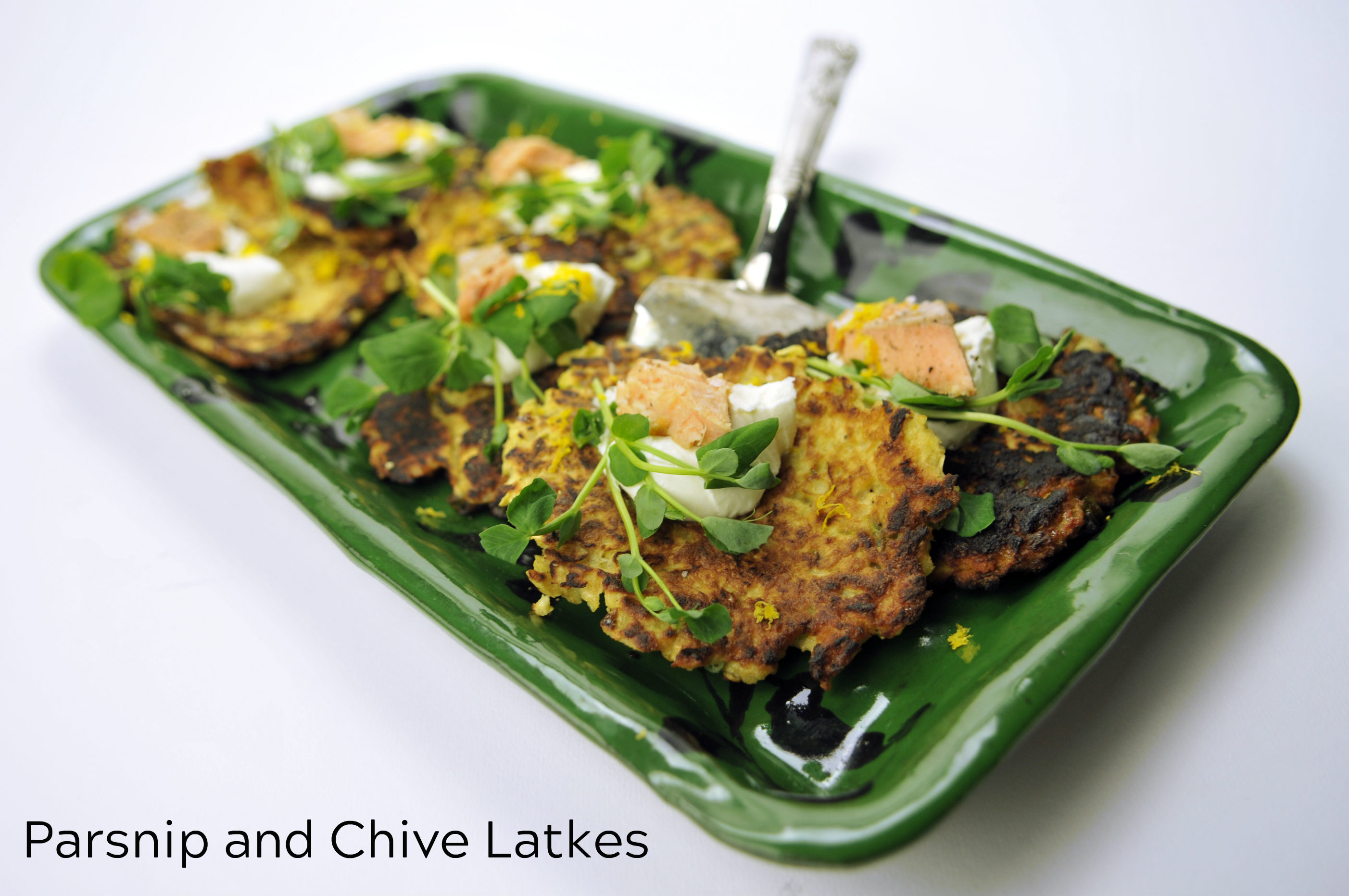
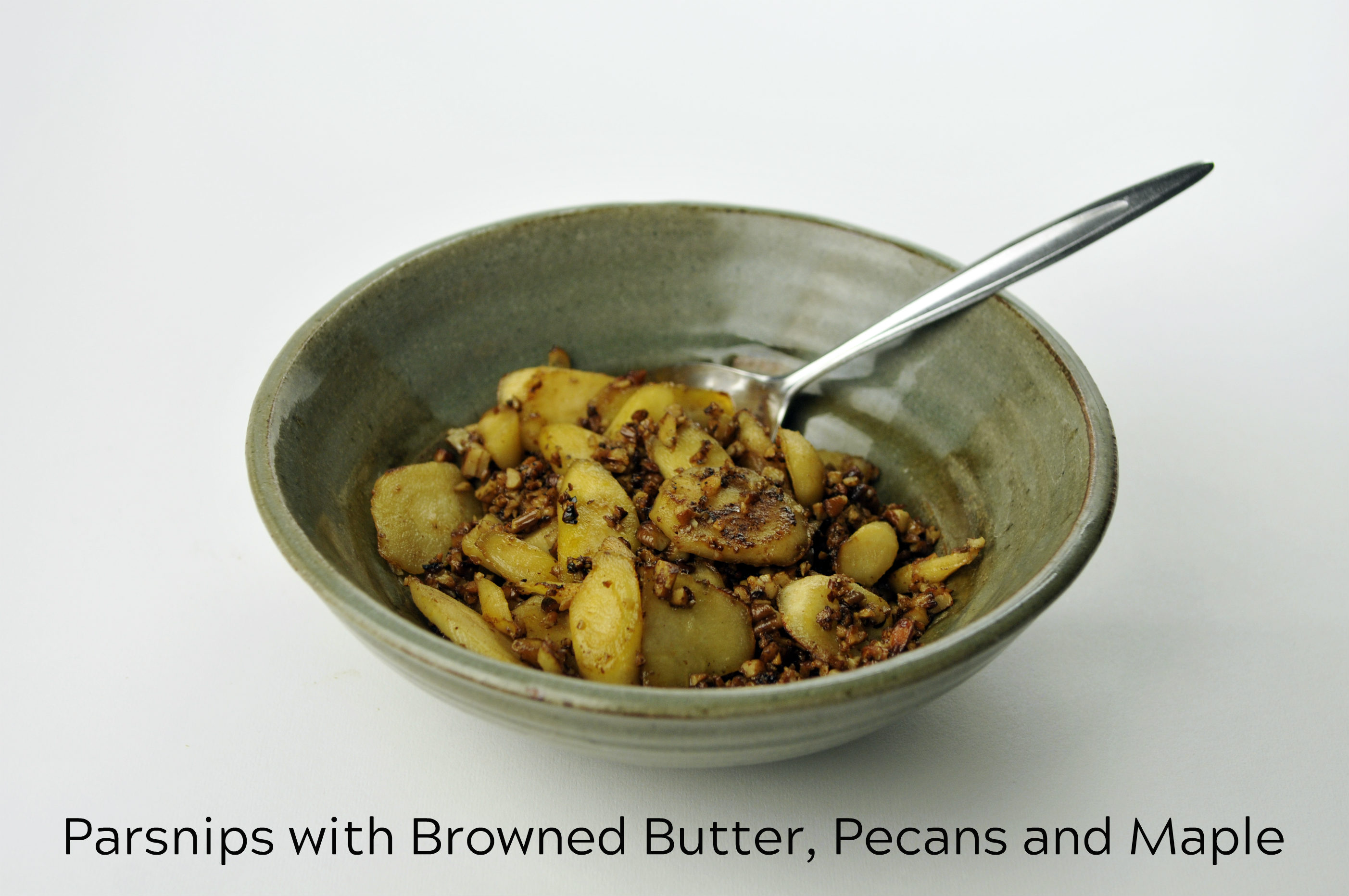
Featured Recipes
More Stories by This Author

Edible in your mailbox
