


Versatile, delicious, and healthy, garlic undoubtedly adds depth and excitement to any savory dish it touches. While growing garlic from seed is hard work, it’s satisfying work that anyone can do if they set their mind (and back and hands and mulch and hoe) to it.
Can anyone argue the importance of garlic in the kitchen? So versatile, so delicious, so healthy—it undoubtedly adds depth and excitement to any savory dish it touches. Homegrown garlic is the best, and it’s one of my favorite crops to grow. After starting my catering business years ago, I had to scale way back on gardening, so I haven’t grown my own garlic for a while and really miss it. Growing my own garlic over many years gave me an enormous respect for the growing cycle of the garlic plant.
Talk about a sustainable crop! Garlic is probably the easiest crop to save seed from, and if you have the will and the garden space to rotate plots, you can grow your own garlic from your own garlic forevermore. Seriously. You plant a clove of garlic in the fall, mulch it, and it will turn into a whole head of garlic the next summer. Which you can in turn break up and plant as cloves again in the fall, which will all turn into whole heads of garlic the next summer, and so on—forever.
Crop improvement is gratifyingly easy as well. The bigger the cloves that you plant, the bigger the future heads and cloves within that head will be as well. And there’s a bonus in the middle of this cycle: in the early summer, before the heads mature for harvest in August, the plants will send up flowering stems, called scapes. You need to break off the scapes so all the plant’s energy can go back into the maturing head underground, and they’re not only edible but a delicious and timely substitute for garlic after your stored garlic is gone and before your fresh garlic is ready. Pretty cool, right?
Not that growing garlic is easy. It is a lot of work, but it’s very satisfying work that anyone can do if they set their mind (and back and hands and mulch and hoe) to it.
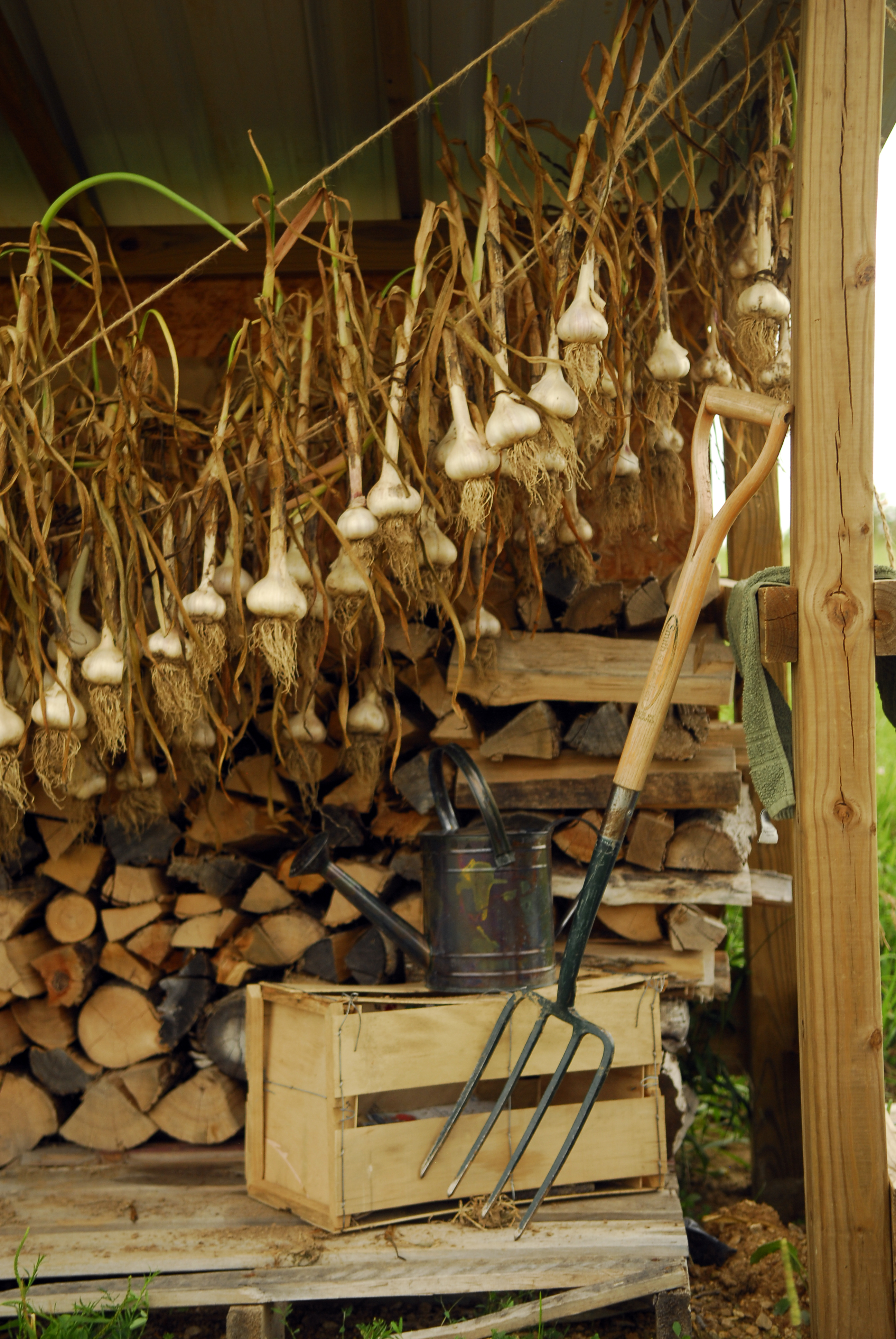
The gap in the cycle, though, is that unless you have optimal storage (cool, dry and totally dark with good air circulation), local garlic starts going bad in midwinter. Insects and rot can start to spoil the cloves, or they get too dried out, and any bit of sunlight makes them want to sprout and grow. I’ve been totally spoiled by the superior flavor and size of local garlic cloves, so I can’t stand to buy tiny-cloved Californian or Mexican garlic that’s available in the grocery store all winter after the local garlic disappears. I much prefer to buy up a bunch of local garlic in the fall when it’s still in its prime and put it up in the freezer to use all winter. You just have to peel a bunch of garlic (see sidebar for a fun trick), then grind it up in a food processor until it resembles minced garlic. Pack it in quart-sized zip-top bags, lay flat and freeze. Be sure to only put enough garlic in the bags to make a thin layer when the bags freeze flat so you can easily break off a chunk whenever it’s time to sauté some garlic throughout the winter.
You can also roast a bunch of those whole cloves before you chop them up. Place the cloves in a foil packet in a single layer. Cover with olive oil and pinch the foil together to make a little pouch. Roast at 350 degrees for about a half hour and you’ll have a bunch of delicious roasted garlic. It will keep in the fridge for about a week, or put some in small containers in the freezer to pull out later.
Another way to fill the Wisconsin winter garlic gap is with some pickled, dried and fermented garlic products made by local farmers. Clarissa and Jacob Menn started growing certified organic garlic on their family’s farm in 2015, mainly to sell as seed garlic. Their crop did what garlic does—multiplied—and now they grow nine different varieties on about two acres of land that gets rotated every year. Trouble is, the seed garlic business only requires the biggest cloves from the biggest heads, so they had lots of regular-sized garlic that needed a home as well. Direct marketing or even wholesaling for fresh eating while it’s still in optimum shape in the fall can be less than lucrative because so many other growers are doing it at the same time.
So a couple years ago, the Menns decided to start processing their extra garlic so they could sell it later. Now, each fall, they make massive amounts of pickled garlic and scapes, dried roasted granulated garlic, garlic powder and fermented black garlic.
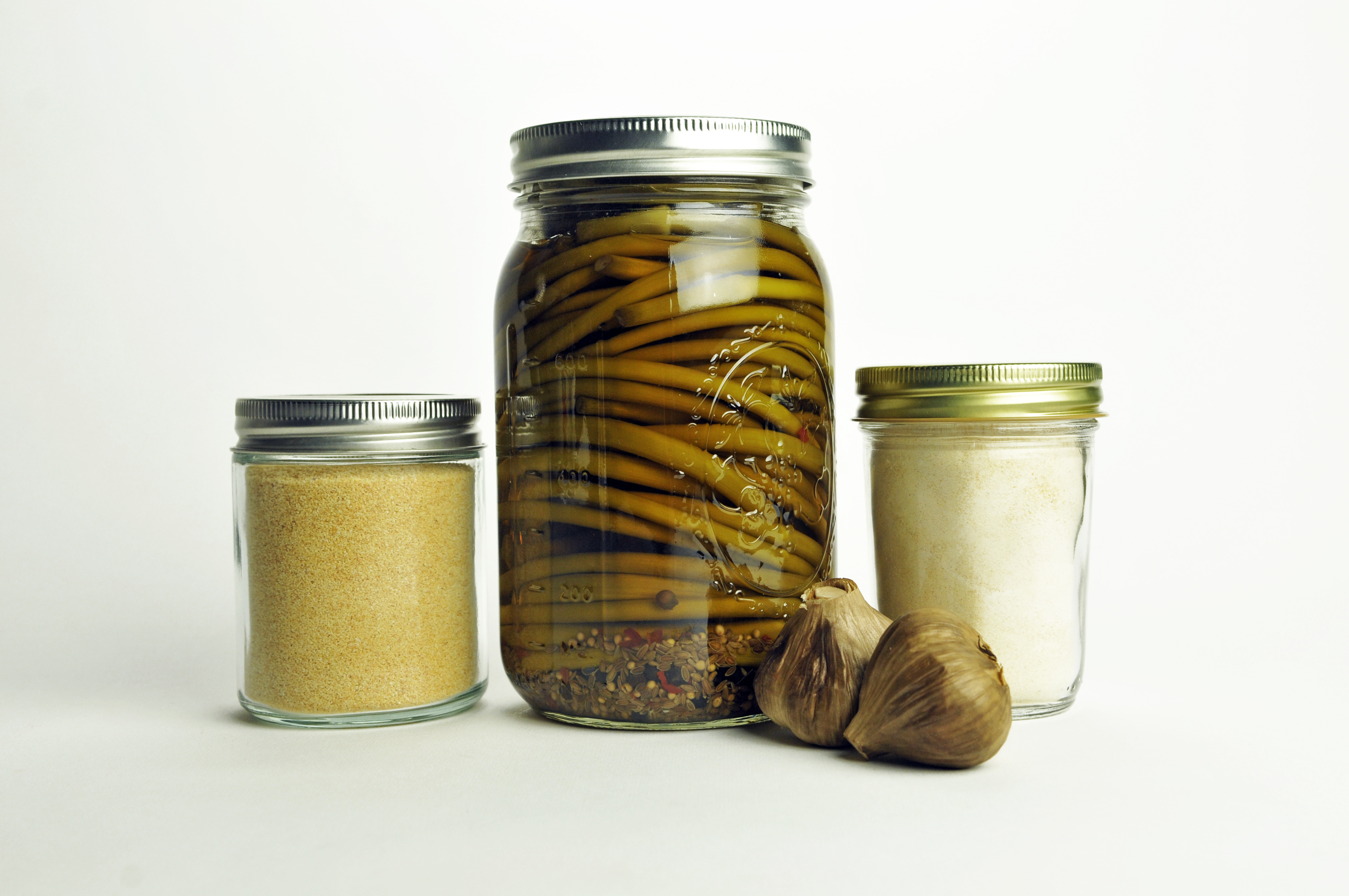
It’s definitely a labor of love. Clarissa puts in super-long days in the kitchen, breaking the cloves off hundreds of pounds of garlic heads and running them through a machine that basically pressure-washes the peels off the garlic cloves. She then grinds the garlic to a very specific consistency in a special food processor in endless batches, spreads it out on sheet pans, and roast-dries them slowly in a convection oven. The dried garlic gets pulsed a few more times in the food processor for the coarser granulated garlic and ground finer for garlic powder.
On days when Clarissa rents my catering kitchen in Viroqua for these garlic extravaganzas, the smell of roasting garlic wafts over a block away. It makes all our neighbors very hungry.
The Menns have been experimenting with fermenting black garlic, too, which is my favorite garlic product. In a very old, all-natural process probably originating thousands of years ago in Asia or the Middle East, whole heads of garlic are fermented in a chamber that maintains specific temperature and humidity levels for up to several weeks. These conditions cause a slow-motion Maillard reaction (the same chemical process that causes browning on baked goods, searing on meat, and toasted marshmallows), turning the cloves gooey soft, sweet and tangy—and totally black throughout. The prolonged low heat breaks down the intense enzymes that give raw garlic its sharpness, turning each fermented clove into a sweet-tangy-umami black gummy treat—more like candy or dried fruit than raw garlic. The process also dries the garlic just enough to help preserve it, and the finished black garlic ready for sale is stable for months without danger of sprouting or rotting like regular garlic. (Once you’ve opened a package, it’s best to store them in the fridge, though.)
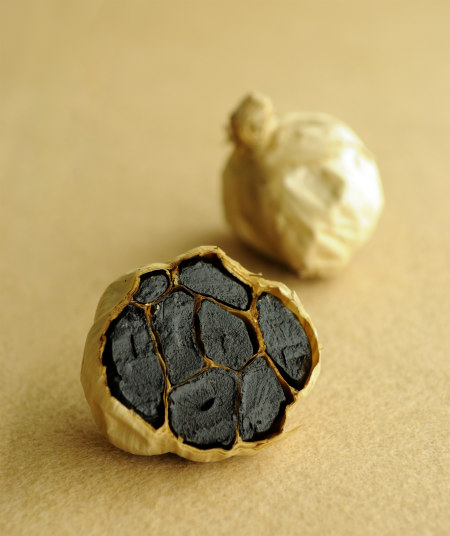
The Menns aren’t selling their black garlic yet, but lucky for us, the largest processor of black garlic on our continent, Black Garlic North America from the Wisconsin Fermentation Company, is based in nearby Hillsboro, Wisconsin. Read up about them in “Garlic’s Fermentation innOvation” from Edible Madison’s winter 2015 issue. Do yourself a favor this winter: seek out some black garlic and try adding it to just about anything—cream cheese, mayo or butter spreads; salad dressings and marinades; and sauces, soups and dips.
With so many forms of garlic to choose from, it’s so easy to bring its nourishing deliciousness to your table every day through the long winter. While I eat warming garlicky dishes in the winter, I like to think about all the sleeping cloves out in neighboring gardens and fields under their thick beds of mulch and snow, dreaming of the next stage of their growth in the spring, when they’ll sprout and the cycle will start anew.
FEATURED GARLIC RECIPES
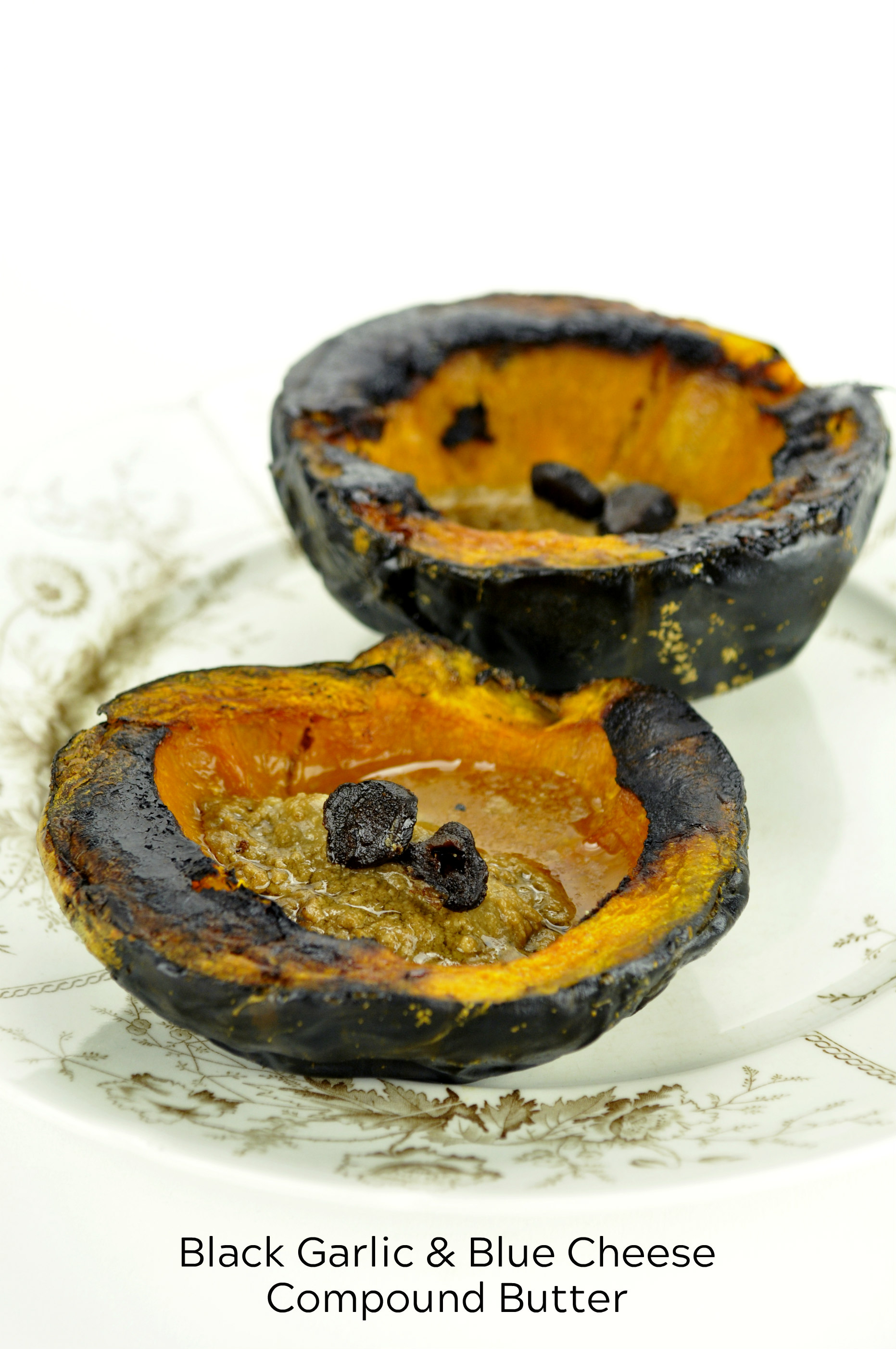
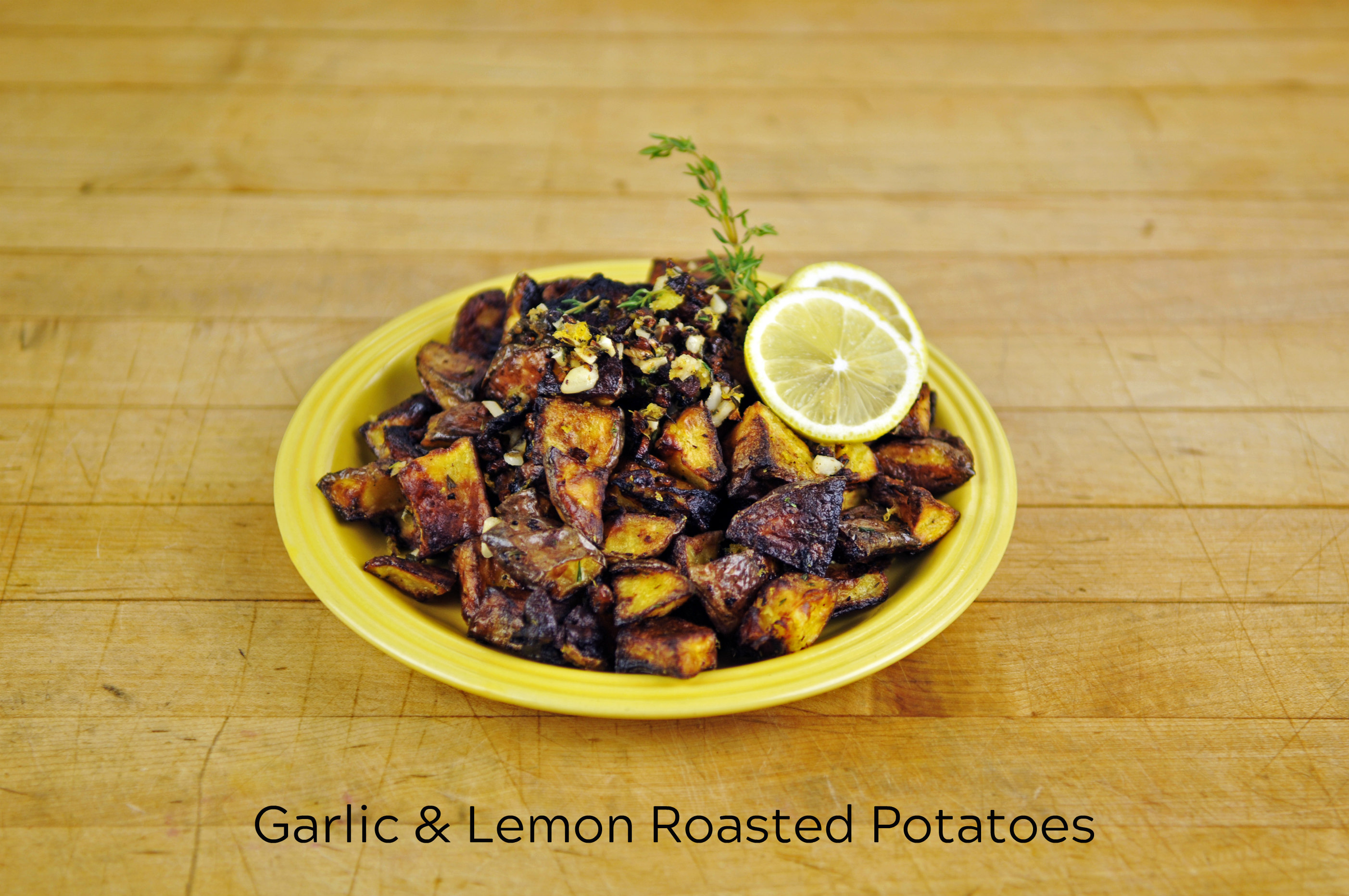
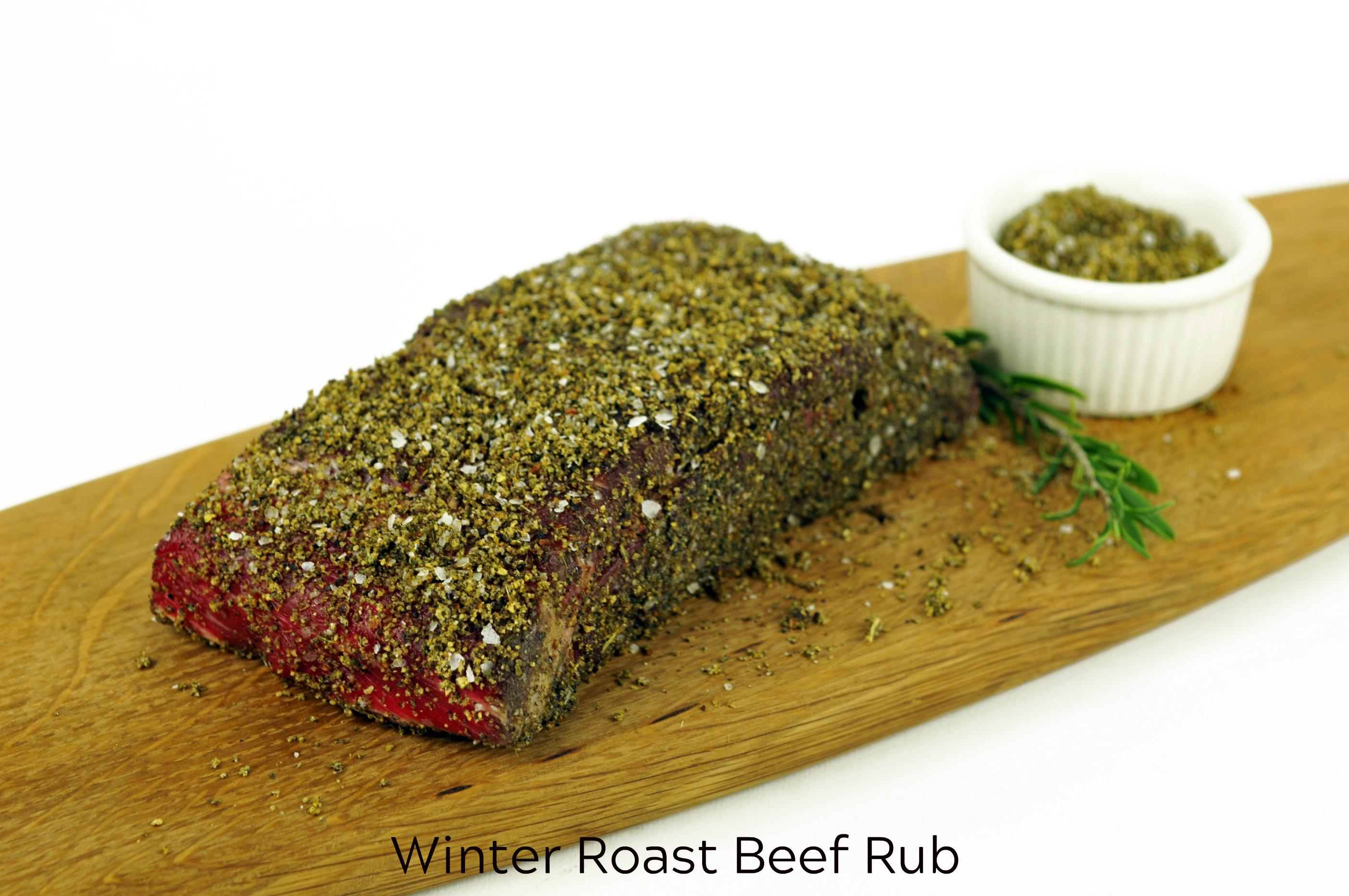
Featured Recipes


More Stories by This Author

Edible in your mailbox
