

Cucumbers
Cooking Tips
- Slice on summer salads, or dice on top of cold, pre-cooked salmon.
- Try in Thai dishes that use chiles and lemongrass.
- Make easy refrigerator pickles with a salt, vinegar and water brine plus onions, pepper and dill. Ready to eat the next day, and you can reuse the brine for many batches.
Details
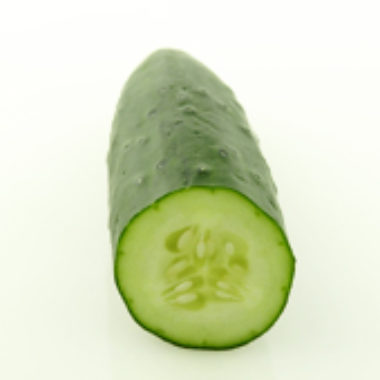
Ever wonder why cucumbers purchased at the market don’t last as long as ones bought at the grocery store? It’s because conventional American Slicer cukes have a wax film added to their skins after harvest to make them last longer on the shelf. These cucumbers may often be quite old, resulting in a watery, bland taste. Get your cukes from the farmers market, where they’ll be fresh picked, often wax-less (avoid if they’re not), probably a new and interesting variety, and wonderfully cucumbery. They should be green all the way around and solid when squeezed. Warty or spiny cukes are actually good for pickling.
Cucumbers are highly vulnerable to cucumber beetles, which carry fungal and bacterial diseases. Organic growers have learned to thwart the beetles through netting the plants, choosing resistant strains of cucumbers, and planting various crops in the same field.
Nutrition: Cukes are mostly water, so there’s not much nutrition in them. However, because of all the water, they can be refreshing on a hot day. And spas that place cucumber slices on your eyes? Preliminary studies have shown that cukes have anti-inflammatory properties, though the benefits are through consumption, not cosmetic.
Related Recipes
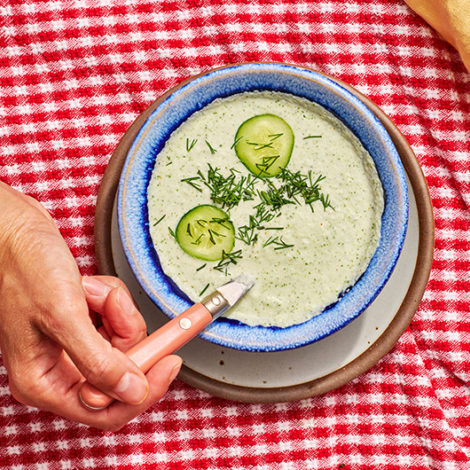
Chilled Cucumber Soup
Summer 2025
Raspberry Cucumber Agua Fresca
Summer 2024
Rhubarb and Cucumber Gazpacho
Spring 2020More Recipes With Cucumbers
Related Stories
Summer Porch Party
Hmong Summer
For the Love of Pickles
Bloody Mary Summer
More Stories With Cucumbers

Edible in your mailbox
