

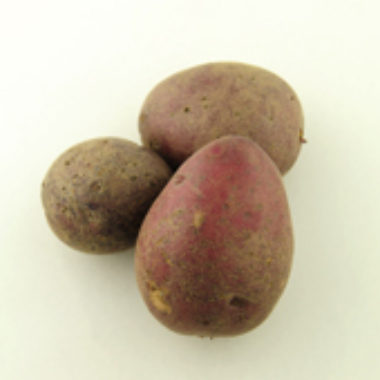
Potatoes
Cooking Tips
- Mashed, baked, roasted, grilled, boiled, stewed—potatoes are one of the most versatile foods on the planet.
Details
Early “baby” potatoes may be harvested in early summer and are essentially just regular potatoes that are simply small. Average size potatoes will arrive at the market in mid-summer and may stick around even during the winter markets and show up in winter CSA boxes. Potatoes store very well in cool, dark, dry root cellars for eating all through the winter. Make sure there’s no green showing through the skin (it can be peeled off, but don’t buy if you see it before purchasing). Make sure there are no cuts or scabs or soft spots or else they will go bad quickly—red potatoes have especially thin skins. Soil on the potatoes is a good sign, since washing may damage the skin and increase the chances of rot or mold.
Fun Fact: Potatoes are fun and easy to grow even for folks with small backyards—in reclaimed car tires!
Important: Never plant store-bought potatoes in your garden due to high risk for disease transfer. Always purchase seed potatoes from a verified disease-free source.
Nutrition: Potatoes are high in complex carbohydrates (starches). Don’t toss the skins of organic potatoes; lots of good nutrients reside in the skin, including protein, vitamin B6, vitamin C, iron, niacin, potassium and others.
Related Recipes

Baked Mashed Potatoes with Leeks
Winter 2021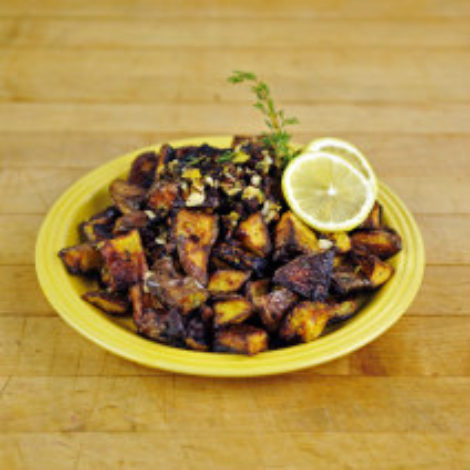
Garlic and Lemon Roasted Potatoes
Winter 2019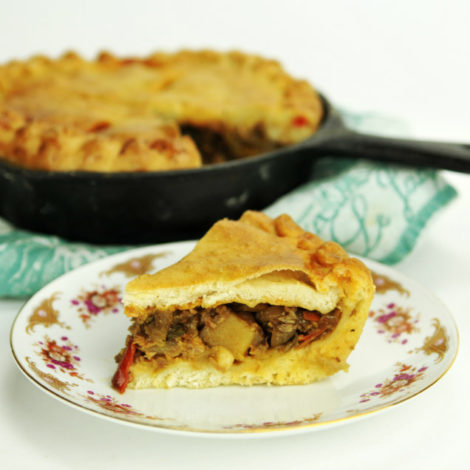
Galician Empanada
Winter 2017More Recipes With Potatoes
Related Stories
Garlic
Local Eating with Spring on the Horizon
Potatoes, Part 2: The Future
A Food Preserving Lightbulb Moment
More Stories With Potatoes

Edible in your mailbox
