

Rhubarb
Cooking Tips
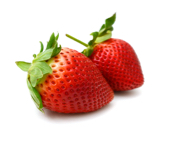
- Strawberry and rhubarb go especially well together, matching sweet with tart. Cobbler is a summer favorite, along with tarts, cakes and pies.
- Rhubarb sauce is excellent for drizzling on ice cream, yogurt or smoothies.
- Add a few tablespoons of rhubarb syrup to sparkling water, ginger ale, and cocktails to welcome springtime!
Details
Rhubarb is said to be a plant that will survive the apocalypse. It simply will not die! In fact, if you try to dig it up and miss a bit, you’re likely to end up with even more rhubarb than you started with. It is naturally pest and disease resistant, so it will usually be free from pesticides (only 2 pounds were used on the entire California rhubarb crop in 2011). Rhubarb is one of the first crops of the spring, along with asparagus and radishes, and it has a sour flavor that is usually set off by copious amounts of sugar. It begins to get tough in the heat of summer or if it sprouts seed pods.
Always grasp the stalks at the base and twist out of the ground rather than pulling out by the roots. This technique stimulates the roots to regenerate. Always cut off the leaves and discard—they are poisonous.
There are many varieities that you can purchase from seed companies, but overall, there are really two "styles":
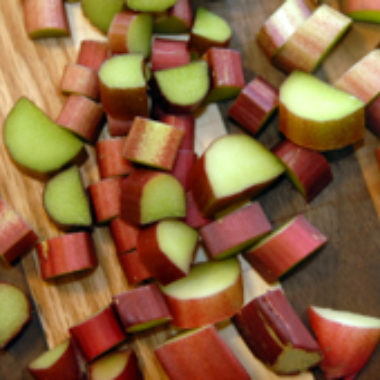
- Most people think of rhubarb as being bright red. These "well-bred" varieities tend to have smaller leaves and thinner stalks that are more tender and a bit sweeter (but don't think they're sweet enough to eat straight—they're still decidely tart!). You might even find some that have red flesh, too. This variety is great for making syrups because it's not so shockingly tart and it leaves a beautiful pink hue to the drink. Purists often call this "real" rhubarb.
- There are also varieties of rhubarb whose stalks are more green, only turning red toward the top. These often have giant leaves and thicker stalks, and the flavor is quite sour. Older generations may know this variety as "pie plant" rather than true rhubarb (but it is still rhubarb, don't worry). This style is best for baking, where its signature tartness complements the sugar in the dish, and may benefit from peeling before use.
If purchasing at the market, make sure neither end looks dried out, and ask the farmer whether the variety is one that requires peeling.
Nutrition: Rhubarb tastes acidic due to the citric, malic and oxalic acids in the stalks.
Related Recipes

Rhubarb Chutney
Spring 2022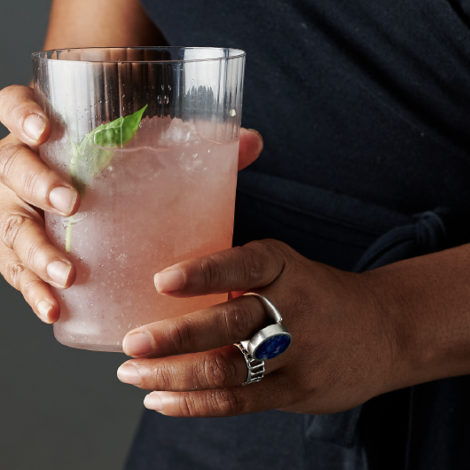
Basil & Rhubarb Tonic
Spring 2022
Upside-Down Rhubarb Olive Oil Cake
Spring 2022More Recipes With Rhubarb
Related Stories
Good Morning, Spring
What’s in Season: May
Cooking Fresh with Rhubarb
Backyard Fruits Without Harmful Chemicals
More Stories With Rhubarb

Edible in your mailbox
