


Fruit or vegetable? Whatever its classification, this prolific plant is, surprisingly, a relative newcomer to America’s backyard gardens, with a history reaching back to the Silk Road.
When I bought my farm back in September of 2001, one of the first things I noticed were some tall stalks topped with seed heads in the overgrown grass on the edge of the yard. “Hurray!” I said. “There’s already a rhubarb patch!”
That rhubarb, along with some incredibly fragrant white phlox and an ancient clump of magenta peonies, were the garden legacies of Ruth Aspen, the lovely old lady who spent her life here before us. Whenever those flowers bloom or that rhubarb pokes new leaves out of the ground in the spring, I think of Ruth and her husband’s family who lived and farmed and gardened here since the late 1800s. This is the beauty of long-lived perennials— they can harken to local history and pay tribute to past generations. Rhubarb is such a common and homely thing here in the heartland that we take it for granted, but in addition to being versatile, hardy and tasty, it has a surprisingly illustrious history.
The use of rhubarb as food (or more precisely, the use of its stem, or “petiole”) is a surprisingly recent occurrence in the West. For thousands of years, rhubarb’s root has been notoriously valuable as medicine in its native northwestern China and Siberia. The ancient Chinese used dried rhubarb root to cure anything from indigestion and constipation to tumors, spasms, gall bladder and liver ailments, hemorrhoids, menstrual problems and burns. Its medical reputation spread, and rhubarb root was worth more along the ancient Silk Road trade routes between China and the Middle East and Europe than saffron or even opium.
Eventually farmers west along the Silk Road started cultivating rhubarb themselves, making fresh stems available instead of just dried roots. Medieval Middle Eastern chefs developed a fondness for these fresh stems in their cuisine, using their tartness to balance complex savory dishes. Rhubarb, hence, developed a long culinary tradition from medieval Persia to Russia, Tibet, Turkey and Pakistan.
European cooks, however, remained unimpressed until New World sugar cane plantations made sugar affordable to the masses in the 18th century. Once it was made palatable with sufficient sweetener, rhubarb’s culinary popularity as a “fruit” (though it’s technically a vegetable) in the West grew. It made its way to America and, eventually, to farm gardens across the Heartland, like the Aspens’.
Part of rhubarb’s success on the American frontier was its ease of transplanting, adaptability and cold hardiness. Related to buckwheat and garden sorrel, rhubarb is a long-lived perennial plant that stores its energy in its bulbous roots, or “rhizomes,” in the winter. These rhizomes can be dug up, divided, and easily transported across land or water. Rhubarb rhizomes are best transplanted in the early spring and prefer to grow in slightly acidic soil in full sun. It appreciates a heavy mulch of organic matter, both for fertility and as weed suppressant. Once established, a rhubarb patch can last for generations even when neglected, like my old rhubarb patch.
Eventually the rhizomes will get crowded and need dividing. At that point, do what Midwest gardeners have done for a hundred years— expand your patch or give some to a neighbor to start their own.
Here in the Midwest, we tend to think of rhubarb as primarily a spring treat alongside ramps and watercress; but in our climate, it’s possible to harvest rhubarb from late April all the way through September, especially if you take care to mulch it well and cut back any flowering stems that appear so they don’t take energy away from the edible petioles. Rhubarb freezes super well, too, whether cut up raw, blanched or fully-cooked.
And if April through September isn’t enough of a season for you, rhubarb can be harvested early in heated greenhouses or “forced” in heated, dark environments to produce a special kind of early rhubarb. This “forced rhubarb” was so popular in England and Northern Europe in the early 20th century that an area of about 30 square miles in Yorkshire, England, became known as the “Rhubarb Triangle” for creating a very big business out of forcing the plant. Forced rhubarb was in so much demand in the 1920s and 1930s that a special express train had to be scheduled through the early spring just to ship it from the Rhubarb Triangle to London, where much of it would continue on to Paris and other continental destinations.
Hundreds of farmers in the Rhubarb Triangle would dig up rhubarb in the fall and place the rhizomes in the complete darkness of specially designed outbuildings called “forcing sheds” that were heated with coal. The heat would force the rhizomes to grow leaves early and be ready for harvest between Christmas and Easter. This warm, dark process results in rhubarb stems that are sweeter, more tender and longer than regular field-grown rhubarb.
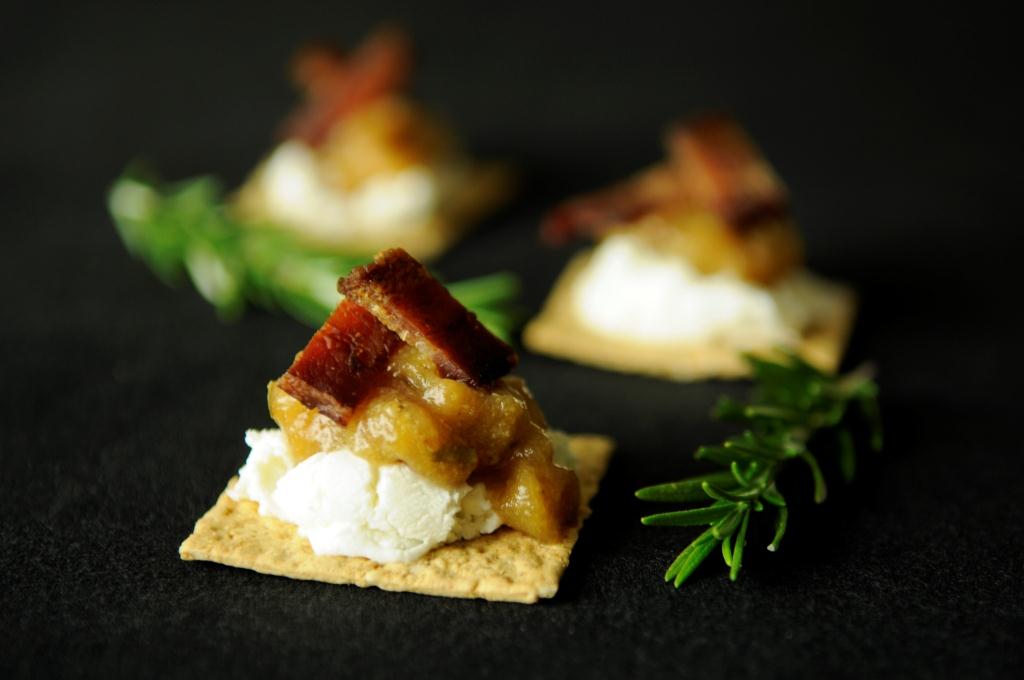
Even though we usually use rhubarb as a fruit in sweet applications—pies, crisps, cobblers, sauces, jams, cakes, sweet breads—botanically, it’s a vegetable and it’s a waste to limit it to dessert when it is a fantastic counterpoint to sweet, salty and spicy flavors in savory dishes. The medieval Persians and Turks discovered Rhubarb can be amazing in chutneys, salad dressings, barbeque sauces, mustards, pickles, sweet and sour sauces, salsas, curries and tagines. It plays well with rosemary and thyme; or cardamom, ginger, and star anise; cinnamon, nutmeg, and allspice; balsamic vinegar and mustard seeds; garlic and shallots; bacon.
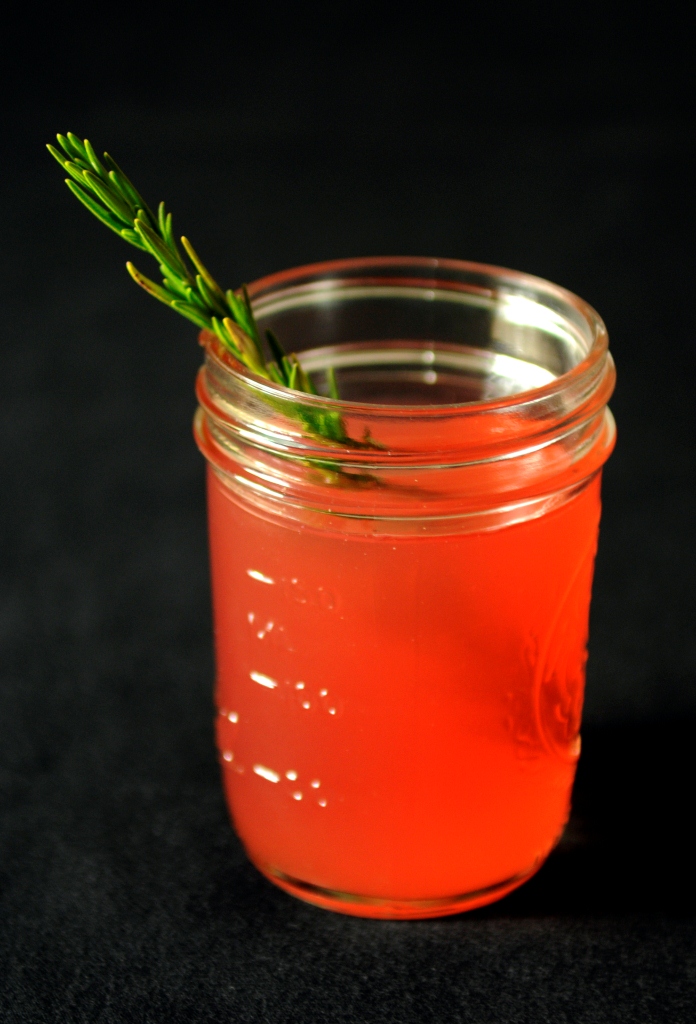
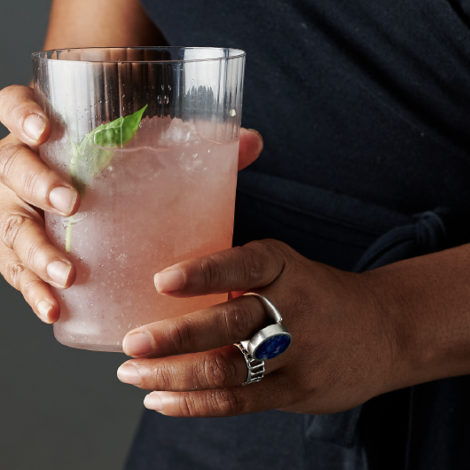
It’s usually sweetened with sugar, but try it with some local maple syrup or honey instead. Play around with different flavor combinations and levels of sweetness to pair with different grains, fish, chicken or pork. Rhubarb can also be used in beverages in place of tart citrus, either juiced fresh or steeped like tea and sweetened into what I like to call “rhubarb-ade,” or made into a syrup or shrub (drinking vinegar), like the recipe on page 24, to be combined with sparkling water or liquor.
So grab some rhubarb at the market this spring and embark on a new culinary adventure. Or better yet, grab some rhizomes from a neighbor’s garden and start a garden legacy of your own!
Rhubarb Recipes
Shrubs, also called “drinking vinegars,” are an old-school fruit preservation technique commonly used by our colonial predecessors. Shrubs became very popular as a non-alcoholic drink during prohibition. They are delicious combined with still or sparkling water, and they are currently experiencing a renaissance as a homemade cocktail mixer. The basic formula is to combine approximately equal parts (by weight) of fruit, vinegar and sweetener to create syrup. Just about any fruit and many vegetables can be used, any vinegar and any sweetener. Shrubs can be made in many different ways, but I usually prefer the raw cold brew method as in this Rosemary Rhubarb Shrub recipe because it’s the easiest, has some probiotic advantages, usually tastes best, and leaves you with solids that can be made into a tart jam, like this Rhubarb Bacon Compote (pictured above).
Featured Recipes


More Stories by This Author

Edible in your mailbox
