


This ancient farming technique is making a comeback and creating exciting new opportunities in our state.
Long, long ago, before the New World was colonized, a complex, ancient civilization located deep in the Amazon jungle developed a surprising and creative farming technique.
By growing plants in water fertilized by fish, they created one of the world’s wealthiest and most sustainable civilizations atop worthless soil for a thousand years.
When colonists arrived in the 1500s, however, disease wiped out all but a few small, scattered tribes, and knowledge of their farming methods—and their society—was lost.
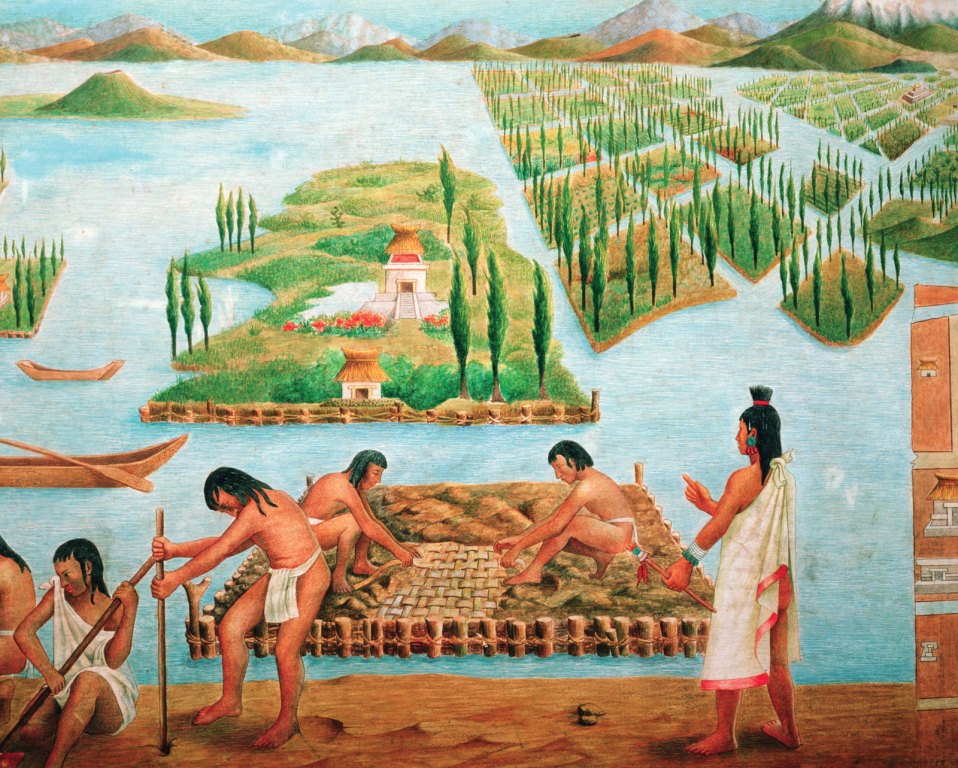
Hundreds of years later, archaeologists discovered the overgrown remnants and began piecing together the mysteries of this intriguing Amazonian civilization. As more knowledge came to light around the 1970s, other organizations and researchers—notably, the New Alchemy Institute—started experimenting with similar farming methods. Dr. Jim Rakocy, a scientist from the University of the Virgin Islands (UVI), soon developed these methods into a commercially viable farming technique. This ancientturned- modern method of growing food came to be called “aquaponics.”
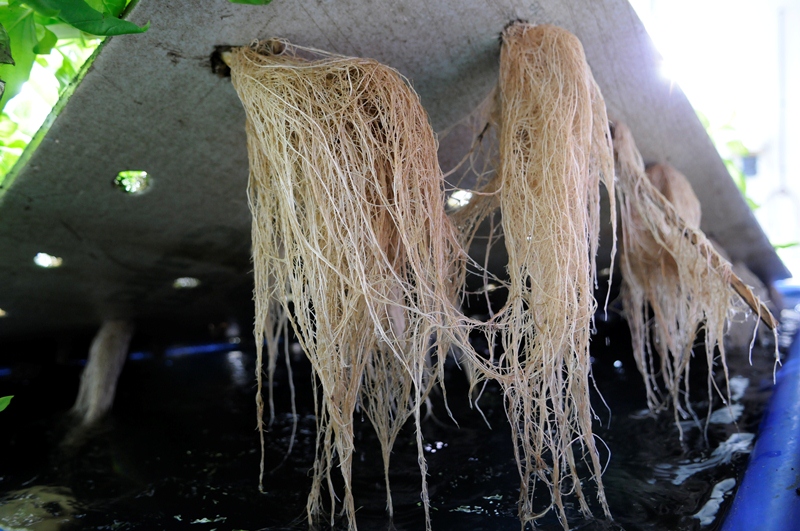
Elegant in its simplicity, aquaponics combines the raising of fish (aquaculture) with the growing of plants in nutrient-rich water (hydroponics). Practitioners raise fish in commercial fish tanks and grow plants on rafts floated in shallow, rectangular ponds. Nutrient-rich fish tank water is pumped to the plants, fertilizing them. In turn, the plants clean the water, making it safe to return to the fish.
Today, a number of Wisconsin farms, businesses and non-profits are resurrecting this fascinating farming technique, in part because the fast growth rates and ability to plant at high densities allows the farmers to grow year-round in greenhouses with a minimum of heating costs.

KP Simply Fresh
North Freedom | kpsimplyfresh.com
 I visited Christopher Meunier on a cold, gray day in late October. Walking across dead grass to his greenhouse, we opened the door to a paradise.
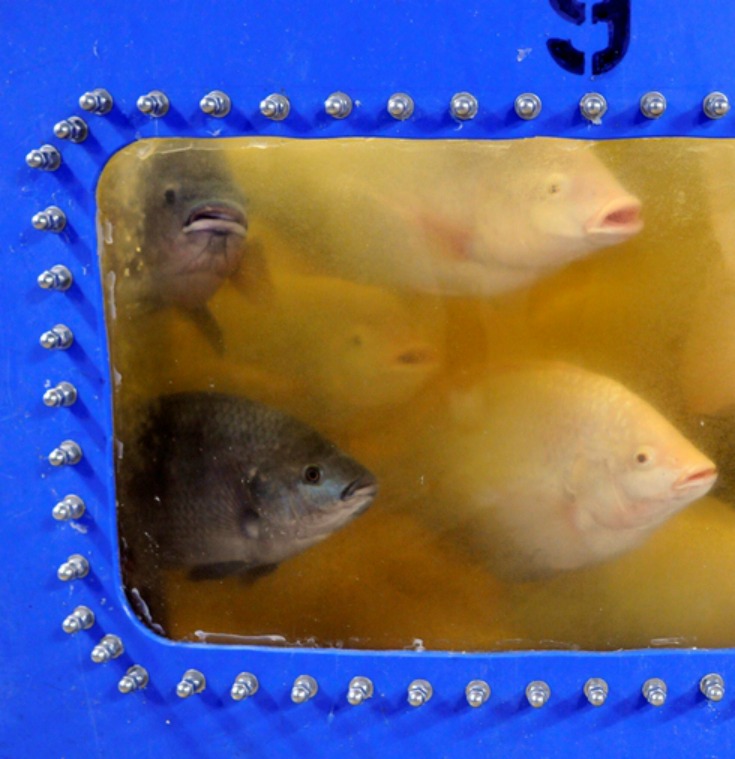
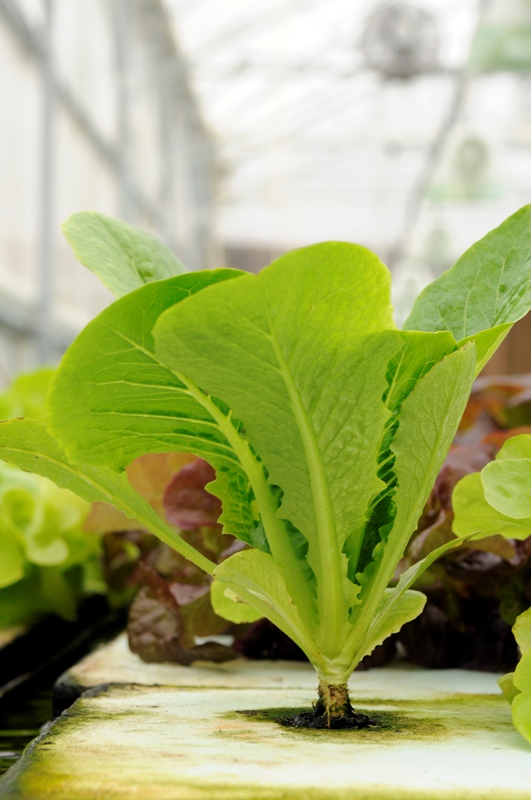
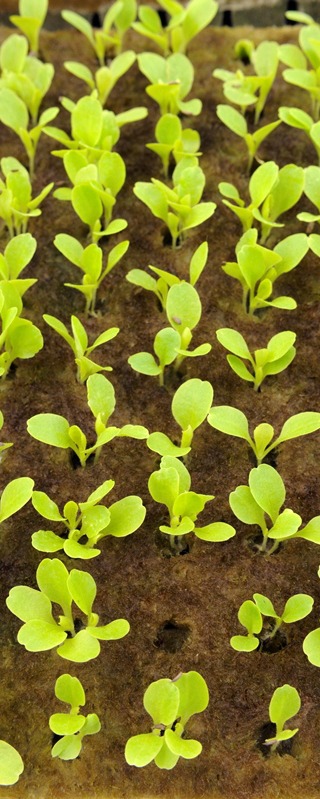
Green and red lettuce sprouted everywhere. Three-pound tilapia splashed in their tanks. Grow lights turned on and off as the sunlight levels rose and fell, maintaining perfect growing conditions for raising lettuce from seed in 39 days.
The Meunier family, Wisconsin’s first commercial aquaponics growers, run a true family business. Donna (mom) does marketing, sales, harvesting and delivery, Norbert (dad) plants seed, and Christopher (son) gives tours and manages water chemistry.
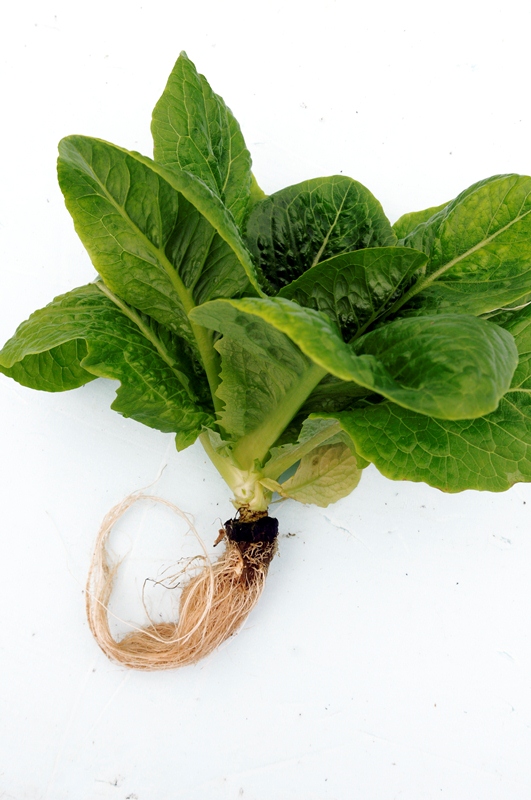
Donna raises tilapia for their fast growth and marketability. Tilapia also convert fish feed into the world’s most effective natural fertilizer. Plants raised aquaponically grow faster and contain more nutrients than with any other growing technique. KP Simply Fresh supplies produce to Madison hospitals, schools and grocery stores, including Pierce’s Northside Market and Willy Street Co-op.
Harvesting 5,000 pounds of tilapia and 100,000 heads of lettuce per year since their opening in 2010, this year KP Simply Fresh will double their growing space to supply even more fresh, local, year-round lettuce and fish.
Future Farm Food & Fuel
Baldwin | afuturefarm.com
 Two hours north, with zero-degree wind whipping across the snow, I approached a vast greenhouse complex like nothing I’d seen before. Ashley Meyer met me at the door. A high school student by day, she gives tours and keeps the books in her spare time. Ashley’s dad, Steve, owns the place.
We stepped out of the cold into a football-field-sized growing area covered with basil and butterhead lettuce. They maintain a 72-degree environment using the heat from a neighboring dairy farm’s manure digester.
Growing up here, Ashley said, offered adventures. During tours, she and her twin sister walked the balance-beam-style aisles between plant beds. Before planting, they stacked layers of floating grow trays into rafts and floated across the greenhouse. Once they swam in the fish tanks.
Good Agricultural Practice (GAP) certified and on their way toward organic certification, Future Farm sells their fish and greens to restaurants and retailers including Whole Foods Market. Steve says their customers appreciate that they heat sustainably and don’t use pesticides.
On the way out of Baldwin, we stopped at Phoenix Bar & Grill to try some of Future Farm’s mixed greens. The fresh crisp lettuce hit the spot on a cold winter day.
Nelson and Pade, Inc.
Montello | aquaponics.com
On the way back to Madison, we find a company at the heart of this growing phenomenon.
After taking a class at the University of the Virgin Islands 20 years ago, Rebecca Nelson and John Pade started teaching classes about aquaponics right here in Wisconsin. Developing Dr. Rakocy’s methods into a manufactured growing system, they provided some of the education and infrastructure that helped these aquaponics farms get started.
John builds greenhouses, assembles growing systems and trains customers. Rebecca manages the home front, working with the Wisconsin Aquaculture Association, organizing classes and publishing the Aquaponics Journal.
Nelson and Pade’s customers make up a close community of growers who keep in touch even though scattered around the country.
Growing Power, Inc.
Milwaukee & Madison | growingpower.org
Located in an area of Milwaukee’s north side where residents do not have easy access to fresh, healthy foods, Growing Power is getting the neighborhood involved through events, field trips, and volunteer opportunities.
Our guide, Sophie Brown, is from the surrounding neighborhood and got her start with Growing Power when she visited the facility on her walk home from school one day. She showed us the aquaponics, chickens, bees and massive compost piles. While she still thinks “the fish are kind of slimy” and “the chickens are tiny velociraptors,” she was hooked on the green plants from day one.
Headed by Will Allen, Growing Power sells its produce and fish to restaurants and grocery stores and provides a lot of education to local schools and aspiring farmers. A Growing Power branch recently opened in Madison at Badger Rock Middle School, with the help of Robert Pierce and the Center for Resilient Cities, and it plans to inaugurate a new aquaponics system in 2015.
Clean Fresh Food
Belleville | cleanfreshfood.com
Located 20 minutes south of Madison, Clean Fresh Food came into existence when economist and investor Mike Knight—riding his bicycle along the Military Ridge Trail— noticed an idyllic hilltop farm and decided to save it from development.
A few years later, he ran across Boscobel-based Anthony and Matt Roth who had experimented with aquaponics and started Roth Fresh Farms. Inspired by their vision, he decided to build a state-of-the-art greenhouse for them to operate.
Greenhouse Manager Matt Roth grows salad greens for some of Madison’s finest restaurants, including Sardine and L’Etoile. Currently operating at one-third capacity (5,000 plants per month), they plan to expand as they gain new customers. While they get many requests for their tilapia, so far the Roths keep these for personal use since fish processing can get pricey.
At the kitchen table, Mike and Matt told me about their visits with chefs, where they brought a seed catalog and asked, “What do you want us to grow?” Based on those visits, they now raise wasabi arugula, Swiss chard, microgreens, and frisée and buttercrunch lettuce. Their big challenge remains the harsh Wisconsin winters. Mike said, “If you can make it work here, then it’s viable anywhere.”

 The story of aquaponics in Wisconsin is still in its opening chapters. The characters are well developed and enthusiastic, but the realities of farming make turning each new page a challenge.
Although aquaponics in the Amazon jungle supported a thriving and sustainable society, they failed to leave behind an operations manual. In our competitive market environment, the farms featured here are still on the road toward profitability as they experiment with new plants, new fish (hybrid walleye seem to show potential) and new markets.
While Wisconsin’s aquaponics growers work out the details of this farming method, we can show our support with our dollars while reducing our food miles and carbon footprint at the same time. Today, for instance, I got to buy “living lettuce” from my local Metcalfe’s grocery store—it took self-discipline not to eat it right in the produce aisle. There aren’t many causes as enjoyable to support as this one.
*Painting by Jose Muro Pico. c. 1500. Construction of the Chinampas, garden islands in Mexico's lake. Detail of the Pilgrimage of the Nahuatlacas tribe. Oil on wood. Museum of the City of Mexico, Mexico City, D.F., Mexico. Nicolas Sapieha / Art Resource, NY. ID: ART12471. http://hoslac.org/archive/archive.php?view=SOURCE&id=12198
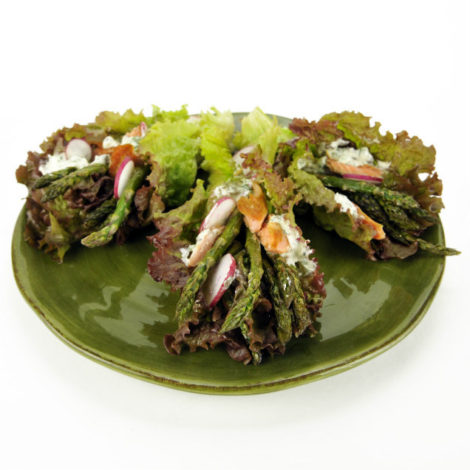
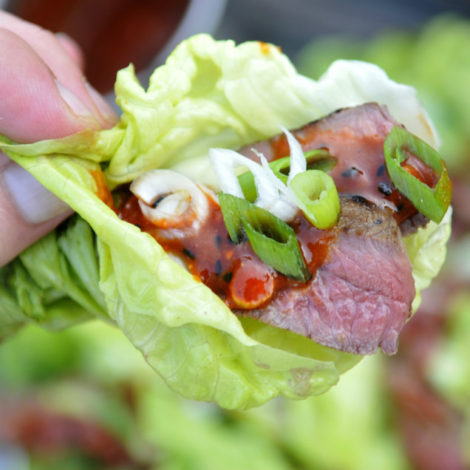
Featured Recipes

Edible in your mailbox
