


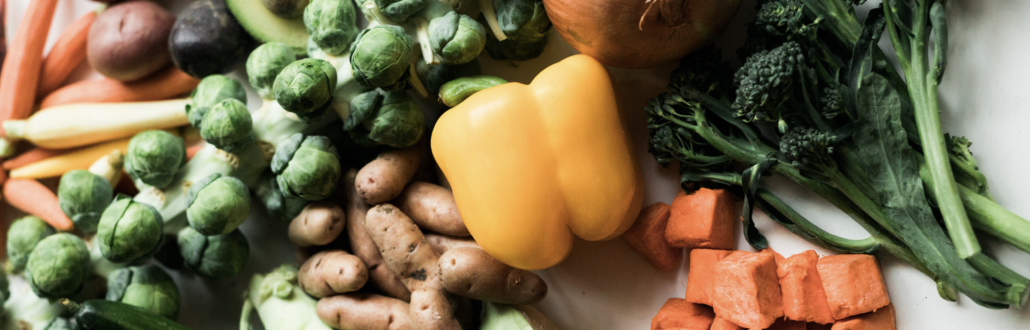
The COVID-19 pandemic revealed deep fissures in our food systems from the global scale to the local. Now, with a greater public awareness of the iniquities and challenges with the food supply chain from seed to kitchen, pivotal strides for food justice are within reach— if we take this opportunity to deepen our commitment to our local foodscapes and champion the work and local voices for change.
We asked leaders in local food work to share their thoughts on the food system and their role in it. To start the conversation, we invited Madison-based policy maker George Reistad (GR) and entrepreneur Donale Richards (DR) to reflect on the current state of our food system as it adapts to this post-pandemic landscape.
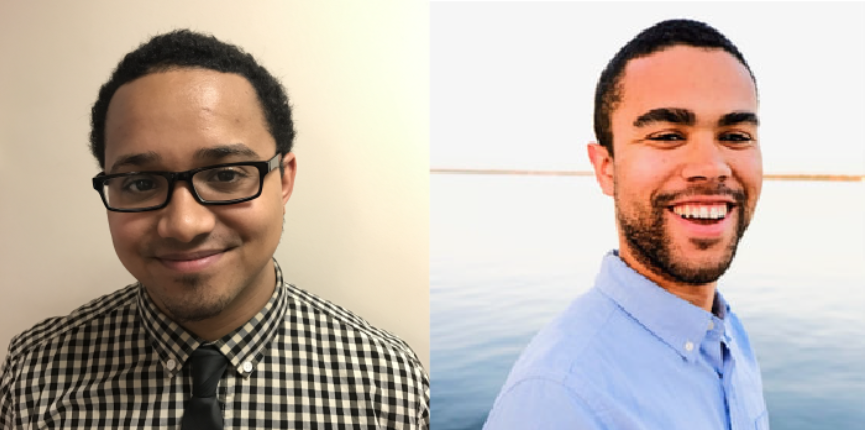
George Reistad: I think the current food system is in a state of flux at all levels. The COVID-19 pandemic laid bare some of the issues that have long persisted within the food system, mainly the rigidity of key components of the system like supply chains and distribution, the capacity limits of storage (especially cold storage), and the ability (or inability) to re-adapt and process food meant for wholesale to serve households in need.
It is heartening to see organizations and institutions take note of these problems during COVID-19 and invest, mobilize, and adapt accordingly. The attention being given to these issues at the highest levels of government — through funding opportunities from USDA and other pertinent agencies — as well as philanthropic organizations at the national, state, and local level suggest to me that if and when we find ourselves in another societal calamity, our boots-on-the-ground organizations will have access to more resources that enable them to serve more residents.
Donale Richards: The food system, whether you look at it locally or globally, is broken and it has been well before COVID-19. It just happens that people are now understanding what their food system looks like and what their role is. To be resilient, it’s critical to educate folks on their local food system. Like who grows your food, who processes your food, where are your local markets, and how does your money spent impact how new businesses navigate their place in the local economy. People love to do this with kids, but it’s the adults who need it the most.
In my various roles in the food system, my aim is simply to educate. At the Michael Fields Agricultural Institute, I work with teens, small business owners, and farmers to develop educational workshops around food apartheid issues. At Madtown Food Services, I educate my family members on the basics of starting a business as well as exchanging tips/tricks with other businesses who are willing to explore ways to collaborate with one another. And, at UrbanPonics, I educate my peers on designing and implementing technology into urban farm production systems.
GR: For four years (2016-2020), I served as the Food Policy Director for the City of Madison in the Mayor’s Office, handling a wide range of projects related to environmental issues like pollinator health and terrace and yard plantings to societal issues like food access/affordability and economic development of food systems. In 2020, working with Mayor Rhodes-Conway and Deputy Mayors, I was able to pivot my role to become a Business Development Specialist focusing on Food Systems within the Economic Development Division of the City.
I did this purposefully and with the understanding that focusing more closely on economic development issues within the food system was a way to address an issue I cared deeply about — reducing pervasive inequalities for BIPOC entrepreneurs with a specific focus on providing technical assistance for business creation, creating access to capital, and increasing economic independence and upward mobility outcomes.
To that end, I think the City of Madison and other units of local government have an integral role to play as a connector of key community organizations, businesses, and entrepreneurs, and as a leveraging entity for resources — as a funder, a collaborator to assist with funding proposals, and a convener of strategic partnerships.
What are your favorite local foods?
DR: I’ll take this opportunity to plug my favorite businesses in Madison — you won’t be disappointed: South Madison Farmers Market, TradeRoots Farms, Artemis Provisions & Cheese, M&J Jamaican Kitch’n, Café Costa Rica, Mishqui, Les Délices de Awa, Ahan, Finca Coffee, El Sabor de Puebla
GR: I would say that I am particularly fond of SuperCharge! Foods Microgreens at the moment; I use them to accompany lots of things – salads, bagel/sandwich toppers, etc – and also just for snacking. I also like anything that Robert Pierce (South Madison Farmers Market) produces – I was lucky enough to procure some Wine Cap Mushrooms from him a few weeks ago and they were amazing.
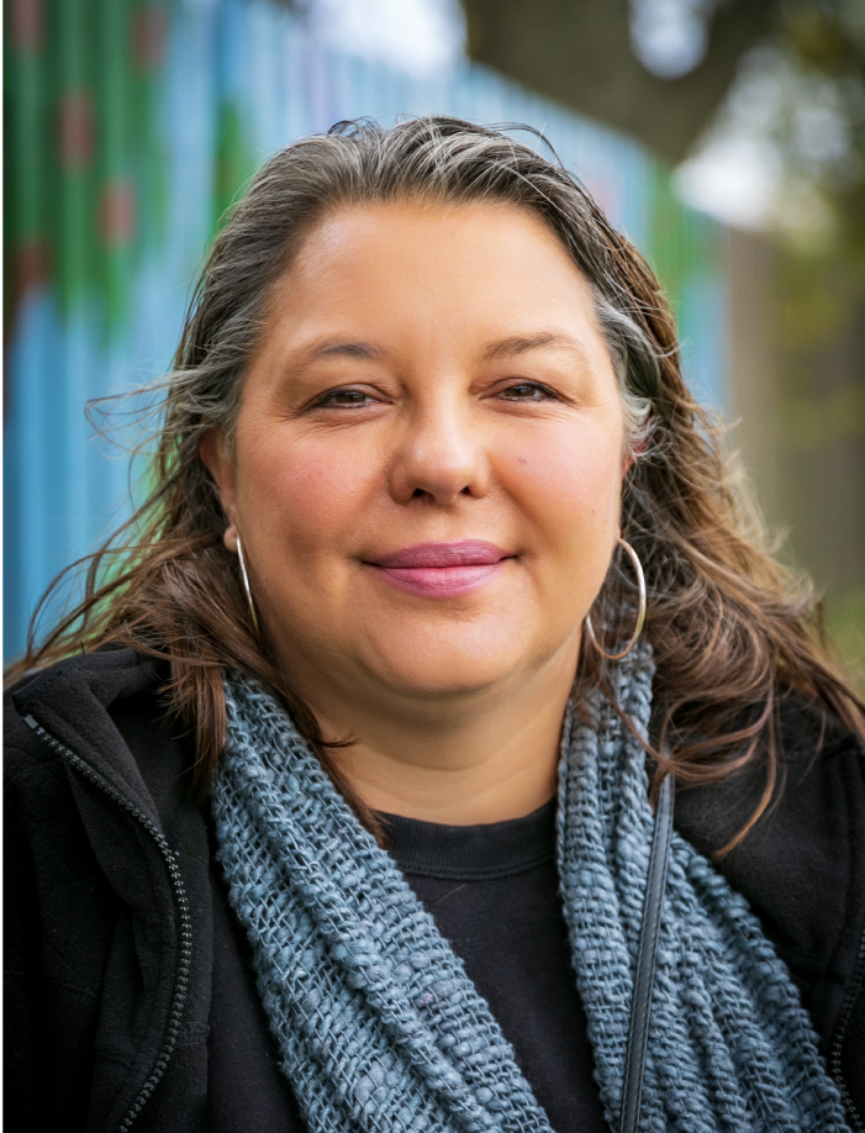
HEDI RUDD
Deputy Director of South Madison Programs, Rooted WI
rootedwi.org
How do you see the current state of the food system in Madison and beyond?
HR: I see a vibrant scene that is beginning to recognize the contributions of Black, Indigenous, and other people of color to its origins. Locally and nationally, we are starting to see a lifting up and an unearthing of the history of food in America and the ways that BIPOC people have flavored our palates, taught us to grow and prepare food, and how they are sustaining our system currently.
What have you learned about the food system during the pandemic? What has changed?
HR: COVID-19 highlighted the fragility of that system, but also uncovered it's strengths. We found ways to get food that may go to waste to people who needed it, we learned that simply giving people food without thought into their cultural foodways can also be wasteful, and we learned that we must pay a living wage to those in our food system because people will pay for food that they want, when they are able.
What does a resilient food system look like to you?
HR: It looks like the people who eat food. It recognizes their cultural needs and how that translates to health and happiness. There is not just one food story, there are as many as there are cultures and communities and they should all be respected and valued.
What does food justice mean to you? How do you see it working in your local community?
HR: It can be as simple as having a grocery store in your neighborhood or it can be as complex as having access to land to grow your own food. It means having choices and access to food that you choose and that honors your culture and community. In Madison and at the organization I work at, Rooted, I see that happening. This summer, I saw our organization offer community members fresh produce and a choice in the food they wanted to recieve. I saw effort put into identifying space for those who wanted to grow to do so. I saw people making the effort to get food to people who have no transportation and to help restaurants survive. Our city and county leaders came together to look for ways to improve the food systems and to fund efforts to do so. This is important work, as is recognizing that there is more work to do.
Where does your organization fit into the system? How does your role fit into the organization?
HR: Rooted's mission is collaborations rooted in food, land and learning. So we grow food, we help connect people to the land, and we teach youth and adults how to grow, cook, and work on the land. My job at Rooted is Director of the Badger Rock Neighborhood Center and also the Deputy Director of South Madison programming for the larger organization. Rooted manages farms on the Northside (Troy Farm) and Southside (Badger Rock), the Community Garden's Network, Wisconsin School Garden Network, and the Farm to Early Childhood Education. At our farms we sell food and we find ways to get food to people at low to no cost. Both farms also have education programs for adults and youth. Many of our staff are active members of both the City and County Food Policy Councils and we also are in the space of higher education with the School of Urban Agriculture with UW Madison and Realizing the Promise of Urban Agriculture project with the Cornell Small Farms Program. At Badger Rock specifically, we have a community garden, community market, and we are a small incubator space for local food businesses. We teach virtual gardening and cooking classes and work with the community to identify other ways we can support their food and wellness needs.
What's your favorite local food and why?
HR: I have no one favorite food, I love food. My favorite kind of food is food made by local people who honor their cultures. Some examples are Yusuf Bin-Rella of Traderoots, Awa Sibi of Les delices de Awa, Artemis Provisions and Cheese, Flavor Temptations, Palate Pleasure, and Kipps Kitchen. I would like to see more effort into helping Black restaurants flourish in Madison. We can see that Asian and Latin food businesses have found ways to open brick and mortar spaces and we need to have more opportunities for our Black food providers to do so. I love the model that Sherman Phoenix in Milwaukee has developed.
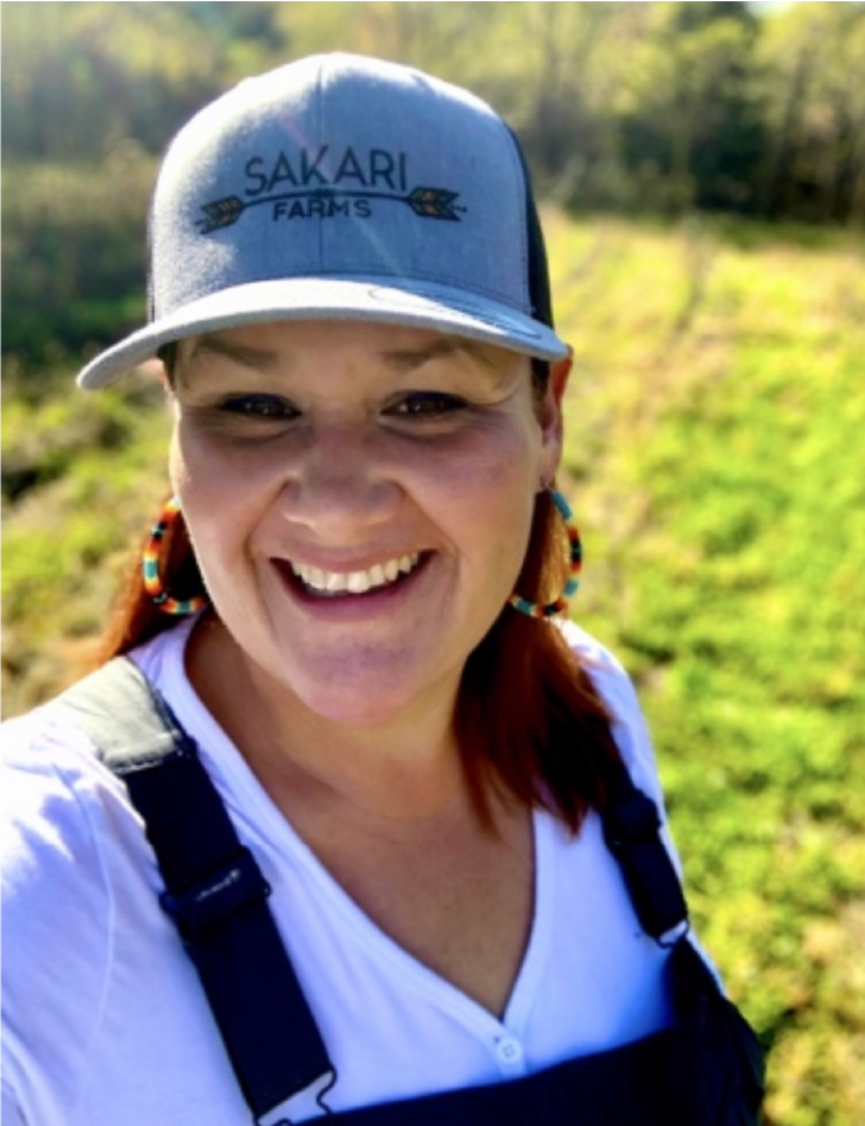
How do you see the current state of the food system in Madison and beyond?
ET: There absolutely needs to be a shift in the way we view our food systems, in Wisconsin and really, on an international level. Mass producing food that has a low nutritional value and prioritizing the profits for this kind of "food" has damaged more than our physical being. It has proven to harm the environment and has an incredible ripple effect on our entire ecosystem. We can't have food security if we still have families that are hungry; and our families can't be healthy if they're hungry. It has been felt on a deep level, but there is a shift happening and I am excited to see how the ripples of this new view on our food systems will change our current state.
What have you learned about the food system during the pandemic? What has changed?
ET: I think during the pandemic, we were able to stop and see our space differently. One of the points that was brought to our attention was the lack of food security in all of our communities. More people were focused on growing their own food and trying to provide nourishment in different ways. Those struggles brought more light on our food sources and the people who provide our food supplies. I have loved seeing so many people continue their gardens and the small community efforts like local farmers markets that offer a different kind of food supply.
What does a resilient food system look like to you?
ET: A resilient food system would minimize our environmental footprint. Respecting our land and changing our farming techniques while economically benefiting the small, high quality producers would be ideal. Valuing our food sources enough to advocate for change is more difficult than it sounds, because that involves change. The shift in our food systems is already happening though and the reclamation and reintroduction of traditional foods into our everyday life is fueling that shift. There is a deeper connection to our foods when you know who produces them, who cares for them, and who advocates for them.
What does food justice mean to you? How do you see it working in your local community?
ET: Food justice to me is being able to provide for all. To have enough high quality goods that are affordable to anyone who wants change. Even providing space to have a small garden, to educate and nourish the community, can be a struggle. Reimagining our food future, sources, and consumption is crucial to bring food justice to our communities.
Where does your organization fit into the system? How does your role fit into the organization?
ET: Wild Bearies offers a space for those interested to learn about our Indigenous foods. Providing space for growing ancestral foods and support in obtaining the tools to do so, is one way we support our community. We've developed partnerships with local growers and producers to strengthen our greater community around food and expanded our reach through Rural Urban FLOW. Establishing relationships with others who are doing the same type of work has greatly strengthened our network and resource pool, while providing support. Of course, Wild Bearies also teaches our community about proper utilization of ingredients, responsible sourcing, sustainable foraging, and our connection to the Earth and the space we occupy. I am blessed to be the Executive Chef/Founder of WB, so I have my hands in all the aspects of our work, from community building to advocacy, I have been able to contribute to the efforts of strengthening our food systems.
What's your favorite local food and why?
ET: My favorite local food varies from day to day. There are so many beautiful flavors and textures out there, our area really is incredibly abundant if you know where to look. There are so many resources and luckily, in our area, there are people doing the work for change. I guess if I had to answer, I would say my favorite local foods are the ones that people have put their heart into...farmers markets, small businesses, local producers, they all provide a culinary experience that is unique and always changing. Finding those people and places, then building relationships with them and the spaces — that's my favorite part.
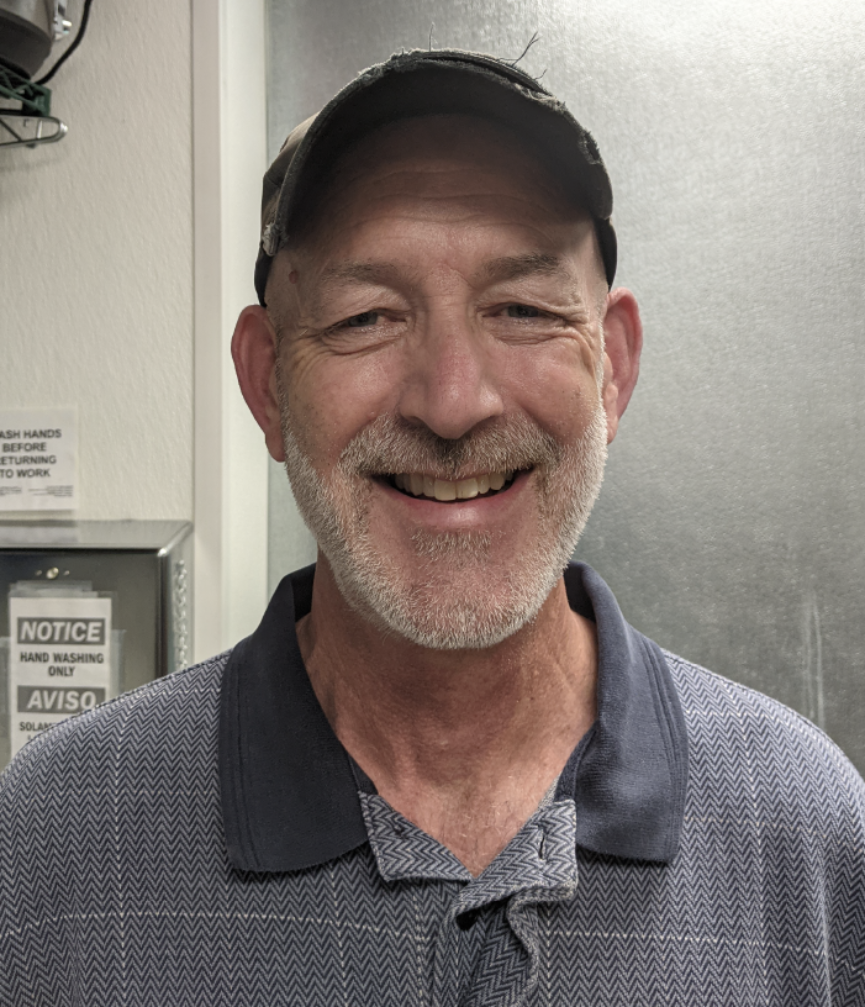
How do you see the current state of the food system, in Madison and beyond?
CB: In terms of dealing with food waste, we have a long way to go locally. Folks care about food waste but turning that care into action has proven difficult. There have been some successes all along the food chain from farm to consumer, but in each sector we have only made small strides in reducing, reusing, and recycling our excess production and purchasing. Awareness is key, and food waste reduction has received good attention in the past few years which helps create the groundswell for real change.
What have you learned about the food system during the pandemic? What has changed?
CB: We live with a very precarious food system. On the national level, with vertical integration and fewer supply chains, disruption and waste were common. Locally, I think we handled ourselves very well and growers, producers, warehouses, stores, restaurants, and consumers stepped up to pivot, innovate, and support regional food systems in their own ways as much as possible. The reality, however, is for as much as we pride ourselves on a robust food system, it is not capable of supplying all of our needs and is currently not set up well to efficiently move food. I think the biggest change has been the education we all received on how fragile our food system is and how dependent we are on workers, who receive little respect in terms of pay and benefits, and who we have taken for granted. I hope these lessons are not forgotten.
What does a resilient food system look like to you?
CB: A resilient food system is able, for the most part, to supply needed food products to a region with consistency. In the cases of disruptions to the system, it is able to right itself quickly and respond to changing conditions. In terms of excess food, a resilient system will have found ways to minimize excess upstream from it's creation and have ways to deal with excess once it’s been created through food recovery, composting, and biodigesting.
What does food justice mean to you? How do you see it working in your local community?
CB: Food justice is the simple ability of all people to access and provide sufficient nutritious and culturally relevant food. In providing this food, food justice also includes the fair treatment of all people working along the food supply chain. There are a lot of inequalities in how systems work in our community, including the food system. It is truly unconscionable that in a food-rich city surrounded by prime agriculture that we should have any issues with access. That being said, there are good people working across our local food system to make concrete changes and the pandemic has allowed some of those folks to truly push innovative ideas.
Where does your organization fit into the system? How does your role fit into the organization?
CB: Healthy Food for All is a support organization to food pantries and local producers, in addition to providing education and advocacy around food waste. We specialize in the recovery of food from large events and cafeterias as well as local farm produce in the summer. Healthy Food for All uses FEED Kitchens as a base and distributes what we recover at no cost to food pantries and community centers. I coordinate Healthy Food for All's activities from our base of FEED Kitchens.
What's your favorite local food and why?
CB: I am also manager of FEED Kitchens, the host to numerous local food businesses, so I need to be careful here. My favorite local food is watercress pulled out of a cold running spring in late winter and then tossed into a wonderful peppery salad.
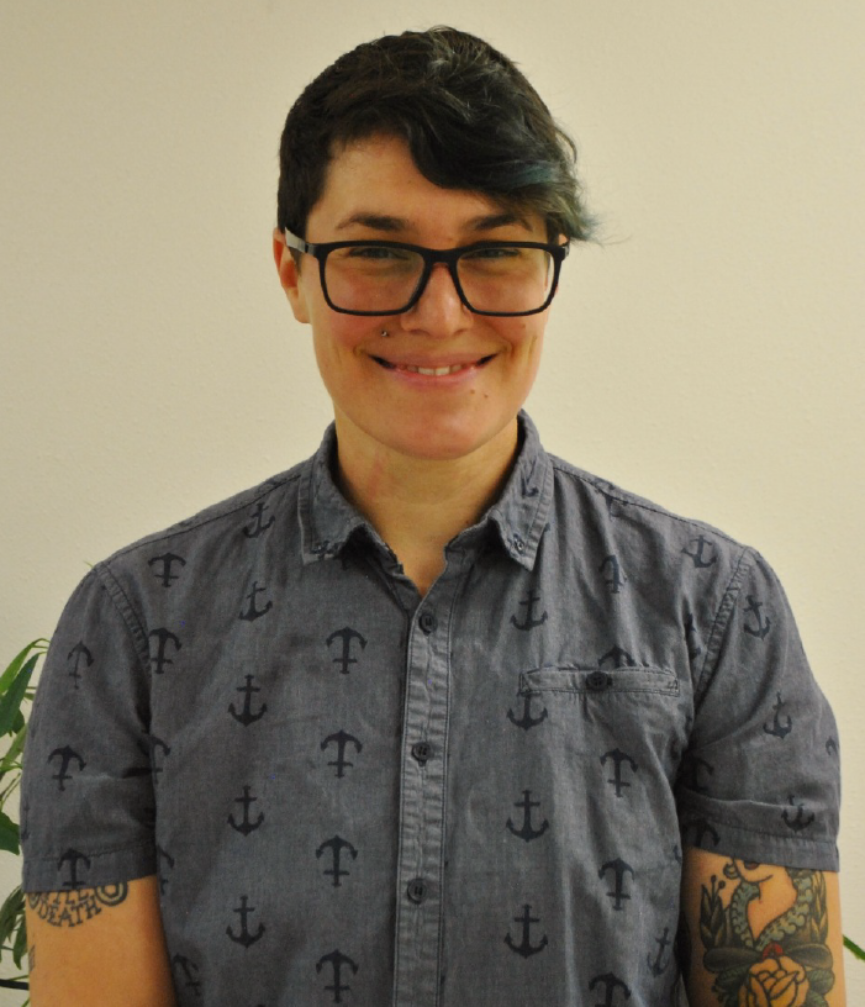
JB: Community Hunger Solutions (CHS), a program of Vernon Economic Development Association, exists to connect locally produced foods with community members who lack access. CHS is based in Viroqua and serves the most rural areas of Southwest WI. Our general operations consist of sourcing healthy food from local farms and food producers including Harmony Valley Farm, Driftless Organics, and Organic Valley, and redistributing that food free of charge to pantries, community meal sites, and low income housing. CHS is funded solely by individuals, community supporters like Organic Valley and Power of 100 Driftless, and foundations like Bader Philanthropies.
My name is Jeanette Burlingame; I'm Program Manager. On a weekly basis, I coordinate incoming and outgoing food resources and manage CHS' mostly volunteer labor force. Long term, I'm in charge of goals and project planning. Understanding that food justice won't be achieved through free food distribution alone, CHS plans long term projects around supporting existing systems and creating new ones that work to find solutions to food access issues. Since I've taken over Community Hunger Solutions, I've worked to steer the program more fully into the work of true food equity; each project takes into consideration who faces the most barriers to accessing food and puts the most resources there. As a hunger relief hub in our area, CHS is in a position to affect food access in a really big way. As Program Manager, I take that opportunity very seriously - it motivates me and inspires me every day!
How do you see the current state of the food system, in Wisconsin and beyond?
JB: Big question! Our current food system is deeply rooted in classism which is and always has been upheld by a strong foundation of racism - designed by people who wanted to exploit those with less and who understood that keeping us all fighting with each other is the best way to make sure we don't pay attention to them. It's inspiring to see that, in addition to the work that's being done to feed people now, there are organizations that recognize the root problems and are working to address those. CHS is proud to do a little of both.
What have you learned about the food system during the pandemic? What has changed?
JB: The pandemic has magnified a lot of the flaws with the current system and, I think, opened more peoples' eyes to the importance of local food and local control in food. I have noticed a lot of momentum around strengthening local food systems and those conversations have more often than before included food justice but it still feels like a lot of *mostly* white folks are trying to continue leading when the problem really requires us to move over for BIPOC leadership — BIPOC leaders won't worsen outcomes for white folks but will improve outcomes for BIPOC communities which have been consistently failed by our current system.
What does food justice mean to you? How do you see it working in your local community?
JB: Food is a human right. A just food system honors and supports each person's right to food. The people growing, processing, and serving our food get paid enough to eat and don't have to work 60-70 hours. Government subsidies support sustainable farming practices. People have the power to purchase food that aligns with their values. Each little town in each county in this area is unique. So must be the systems that feed them. The key to this is bringing the entire community into the design process.
Where does your organization fit into the system? How does your role fit into the organization?
JB: Community Hunger Solutions is working towards an equity-focused model that counters the legacy of racism and anti-Black violence on which our systems are built. CHS' Rural SW WI Food Equity Project increases opportunities for BIPOC leadership in local food, recognizing that our current system fails to acknowledge the voices of a significant portion of the population. The project models a system of power and accountability that folks on all levels of the food system can adopt. It's my number one priority because the connections we'll make through this project will strengthen every aspect of Community Hunger Solutions and have the potential to shape the entire food system in this area.
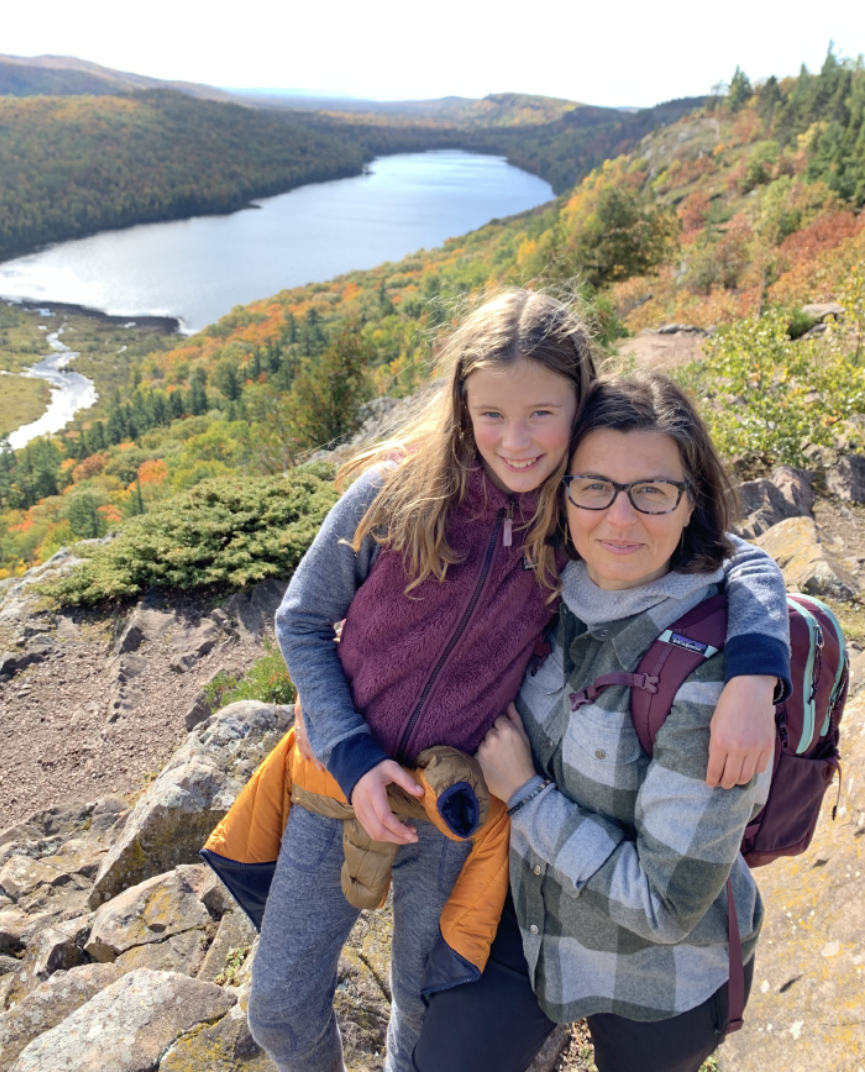
What have you learned about the food system during the pandemic? What has changed?
HS: I think we all understood, in a very personal way, just how brittle our global food system really is and that the simple solution of getting local food distributed to local people is really hard, and doesn't have to be this hard. We've spent seventy years dismantling local food infrastructure, training in butchery and processing, and rolling back the ability to grow and move food locally all in the name of efficiency. In Dane County, we struggled to find refrigerated space to keep fruits and vegetables cool while we got them to community centers, pantries and local shops; local growers had to wait months to get their chickens or beef processed. People started ad-hoc Facebook groups to find local growers or customers. I am hopeful that we can find in this crisis the opportunity to make the relatively simple investments in rebuilding resilience in our food system to better weather future crises.
What does a resilient food system look like to you?
HS: We spend a lot of time thinking about this at REAP. I always come back to Julian Agyeman's vision that a food system must be both sustainable and just to truly be resilient. I think we've spent a lot of time in Wisconsin thinking about sustainable food systems. But it's time to invest in making our food system more just. Identifying what is unjust and what the needed solutions are will have to be defined by communities that have been historically impacted by unjust food systems from land ownership, food worker conditions to who has access to fresh and healthy food. We are only just taking first baby steps in this and it represents the next big challenge in creating truly resilient food systems in Wisconsin. I say let's get to work.
Where does your organization fit into the system?
HS: REAP will continue to play the role of connecting producers to buyers in our region with the goal of making good food, grown well, accessible to all. As we get to work on the just part of just sustainability, we have a responsibility as an organization to let our historically marginalized community partners voice what they need and then work to help them resource their solutions. That can look like bringing money to the table, making important connections, amplifying their message on our channels or sometimes even stepping aside and letting another partner call the shots.
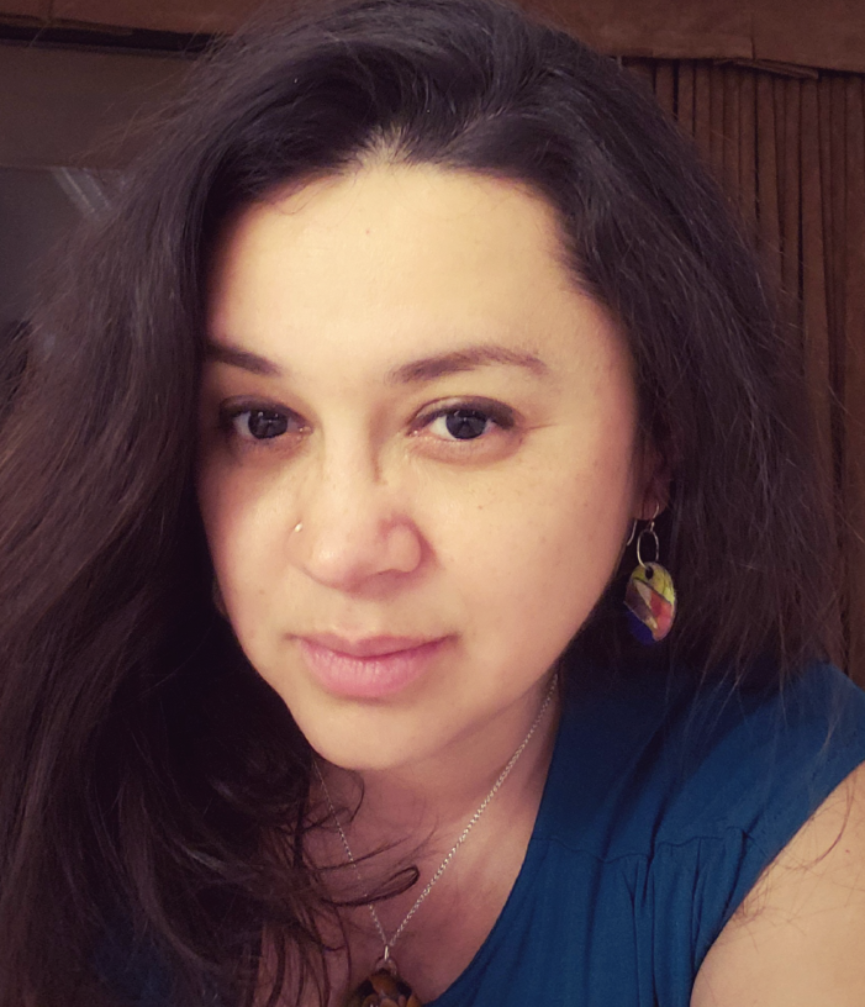
MARIELA QUESADA CENTENO
Cooperative Manager, Roots4Change Cooperative
roots4change.coop/en/farm-to-families-fund/
How do you see the current state of the food system, in Wisconsin and beyond?
MQC: So for us, we have learned that the food system, and not only in Wisconsin or the United States, but also with our experiences in our own countries is that it's not necessarily broken, because it does work for some people and some industries, but it follows the capitalistic and colonialistic structure of degrading the environment and making labor a commodity. In the more, what you call, conventional food system, the movements are happening with communities trying to reclaim their culinary traditions and their sovereignty; the history that is nested within the way of sowing or harvesting or cooking or having food as a way to create history. We're happy to say that these are more diasporic so they're happening across not only Wisconsin again, but across the world. And that gives us a lot of hope. However, until there is more policy changes in the way the big agro companies control land, because without land, there's no food. And that's something that our communities of color and Indigenous communities are facing right now. Without water, there's no food. So there's a bigger realization that food systems cannot be seen as a silo, as something that just happens where the farmer is growing the food and selling it at the farmers market. The food system is something bigger. To see the food system as an intertwined system that is living within the healthcare system, is living within the environmental system, is living within societies and living within urban planning. So when we are able to see those interconnections, we're able to see how nature and humans interact in the process of acquiring, procuring, cooking, and sharing food, and food systems as a term is expanded. And, when we are then able to see how one little domino can affect the rest of the system, it is important for us to take root, because we all come from different, really rich, traditional culinary countries. Places where we grew closer to the earth, closer to the planet. We felt we were able to literally feel that the food that we were raising and growing. And when we migrate here to this country, we are seeing our children losing their connection to the earth; that sympathy and empathy to where we were, what we're putting into our mouths. There is a saying that says you are what you eat, but in many communities of color, there is no choice to eat what they’re eating. All the other systems are making them eat something that makes them sick. So I think that for us, food systems should become more of a system of activism that we don’t think of as a closed system again. We should think about it as an open system. The state of our food system is requiring us to become more active, not only on the policy perspective, but also active in igniting people's sense of their role as a consumer. Anybody who eats is a consumer of the food system. And this food system is also interlinked with all the other systems that affect our lives.
What have you learned about the food system during the pandemic? What has changed?
MQC: Some of the things that we learned during the pandemic is how, due to this interdependence, one damaged chain will affect others. In Wisconsin, the Latino labor force is essential, and this is a backbone of the economy of this state and the economy of this country. Seeing the health disparities and the social disparities and the financial disparities and the labor disparities that our sisters and brothers are facing while they are harvesting, milking, producing, cooking, cleaning, and consuming the food that not only this state, but that this country consumes, was striking, but it was not a surprise. The Latino labor force has been used as a commodity for years in this country. This is the same with the Indigenous labor force and other immigrant labor forces. They are used across the world because it's the modus operandi of capitalism and oppressive systems. So for us, it was not even a wake up call. It was something that really hit many homes in ways that they weren't expecting and we are hoping that people in our communities are realizing how essential their work is, despite the fact that we knew we weren't necessarily the ones who were considered essential workers in the beginning. Later on in the pandemic, other workers were also recognized as essential not just nurses and doctors, which obviously they are. In an interconnected, interdependent society any worker is important, mostly those who work to procure food. We notice also how fragile the food systems can be when we are dependent on large monopolizies and conglomerates that own several hundred thousands of products. One small change in the chain and there are repercussions. So we see the food system as a system that needs to become diverse in the way that they operate, in the way that the food is distributed, in the way that we grow food. We use an agroecology framework of farming where you can have in a small plot of land more than 10 different species of crops, where you could have bees, or you could have small ruminants, where you could have fish, right? So in that way, it's a system that allows for more stress shocks to be absorbed, because there are all the buffering mechanisms that is given by diversity and by the different needs of the different crops and animals. I think that using that metaphor on a larger scale is necessary. One of the other things that we noticed is that how people who lost their jobs and became food insecure that became food insecure from one month to the other and suddenly needed to decide if they should pay rent or pay for food is also for them to realize the value not only of other work, but also the value of food. And this is through our program that we were able to partner with other groups and where we, and many, many, many local and minority women owned farmers in Wisconsin, and even in Michigan too, where families were able to participate and receive fresh local food. Most of them didn't know that these farms existed. Most of them didn't know the taste of a grass-fed piece of meat or Mexican cheese made locally.
And it's not because they necessarily will not pay for it or can’t afford it, but the access is not necessarily about having a farmers market nearby, which is really important, but having access to the resources that exist, and having access to knowledge, and to education about the importance of whole food, the importance of food that is raised or is grown in a way that respects human dignity and our environment. I think that many of our families realize that. So I think that it’s important that there is an ignition of this awareness that this type of food that I see in commercials, and I see some people eating, is not just for those people. It could also be for my people or my family. And I think that was an amazing learning experience that we had during this process. And that’s part of food justice, right? You don't know what your rights are until you're not embedded into a system that will help you learn those things. Food justice will not happen until people that have been marginalized or put aside by society coalesce and start learning together, start raising funds together, start mobilizing together. Solutions we need are born within solutions that have DNA in the communities or other countries or the region that has been facing those challenges. Food justice is being able to see the bigger picture and to create actionable steps towards the other side. Food justice isn’t just a movement, it’s something that starts today and you can’t have an end day for justice. It’s a never ending process because we live in a world where some don't want justice for most. So we will need to continue to recycle our knowledge and to be able to incorporate nuance within our changing world.
What does food justice mean to you? How do you see it working in your local community?
MQC: It depends who you ask; everything is perspective. But the reality is that even though everything is perspective, there is a reality. Even in countries rich in farmers markets and opportunities, there are invisible walls that exist for communities of color. I think something that is more needed are spaces where communities of color can raise their own food, can learn more about the prices, where gathering together could happen on their own terms. It’s not necessarily something that the system will need to do, the system meaning the city or the county, but it's something that needs to happen from within. I was concerned because our climate is a really finicky climate. Learning growing techniques is complicated, it requires time and requires access to land. It also requires people to see themselves in that moment, to see themselves like “I'm a consumer, my kids go to school, they eat at school, and the food is not the best quality. How can I increase the quality of this food at school? Who am I to get into the school? How am I going to be perceived? What type of food do I bring to work? What types of different supermarkets are in the neighborhood that I am in? What type of food am I consuming? And what kind of advertisements am I being given? These are all the little and big questions that families and people individually need to start asking themselves. You can see spaces of that happening. But I think that these things happening in the local community are still rare. I think that until more of these efforts happen between communities of color, across communities of color, and also with other shapes of systems in a way that is respectful and really lets communities lead the efforts, we're not going to be able to see a more expanded food justice system. And I think research is also a piece that is really important to us. Usually research on communities of color when you're talking about poverty and rates of hypertension and health disparities, it takes a really negative, deficit approach, putting a lot of blame on the communities for not choosing better options or just for being poor. Being a person of color, you’re pre-determined to be somebody who is poor, as a marker. So I think for Roots, since we are in the intersections of maternal health, we cannot stop seeing the importance of food. For us, the most important one is breastfeeding from when you are just born, and all the benefits that will carry on in life for a child. So we are advocates of the food system from a different angle. Also, looping back to the beginning of my long message of interdependence, I think that we cannot have healthy communities, if communities are not eating food, that not only fulfills their physical being, but also their emotional being and their capacity to feel whole. For example, there’s nothing better for us to do than to sit down and to eat the things that remind us of home; things that smell like home, whatever home is; that we can share our stories and we can teach and learn from each other, and we can feel safe. And, all of this happening would be happening while we are nurturing ourselves. So food justice is not just about food, this is human justice, it’s environmental justice and resilience. Again with the example of agroecology, a resilient system is one that will be able to take on stress and adjust and evolve, but is able to do so because it has the conditions to do so. There is strategic thinking in that process: how to plant, what to plan things in, which weather, how close to the water, which animals to include in that system, how much labor you're going to put in.
So our families, right now, are not necessarily living in a “farm” that uses agroecology practices. We more from a conventional “farm” right now. We’re using a lot of chemicals and pesticides. And, we are a commodity. So I think even with that -- even within that we are resilient. Because there is a sentiment in the conventional to kill all the weeds. But at Roots, we actually love weeds. And it's because, in our countries, we plant things which will come back and they're resilient. But they have a place, right? That's why they exist, right?
So for us, the resiliency is something that you can bring within you; something that you nurture, something within that isn't always just within a certain community, or a certain system. Resilience is associated with communities being resilient -- communities will be able to push forward. Yes, that's true. But why not say it be same way we were talking about? Now we're talking about equity and inclusion, that it should be for everybody, that people should be accepted for who they are. And not for what they look like, or what the other habits in society are. With resiliency, we ask certain communities, or expect a certain community to be more resilient than others, and it's usually because they have suffered more than others. If we don’t ask about resiliency in different ways, we're not going to be able to get to the bottom of many things. Same with the food system; it’s resilient in different parts, but it's not the whole. We saw it 2020, the large food system of this country crumble, and from policy, from access to healthy foods, from production from factories. Look at the food system. It is not just the food, it’s not just the people who work at the plants, who plant, who harvests those crops, who distributes those crops. It's bigger than that. So resiliency is a word that needs to be deconstructed a little bit more and thought of a little bit more critically.
More Stories by This Author

Edible in your mailbox
