

We truly feel the change of the season when the last of the fall tomatoes are replaced by the colorful bouquet of winter squash.
Winter squash can be vastly different in size, shape and color but differ from their summer squash cousins due to their staying power. Harvested in autumn, these ripe but thick-skinned squash are hardy enough to be stored and enjoyed throughout the cold winter months. Though there are differences in taste and texture between winter squash varieties, many can be swapped out in recipes.
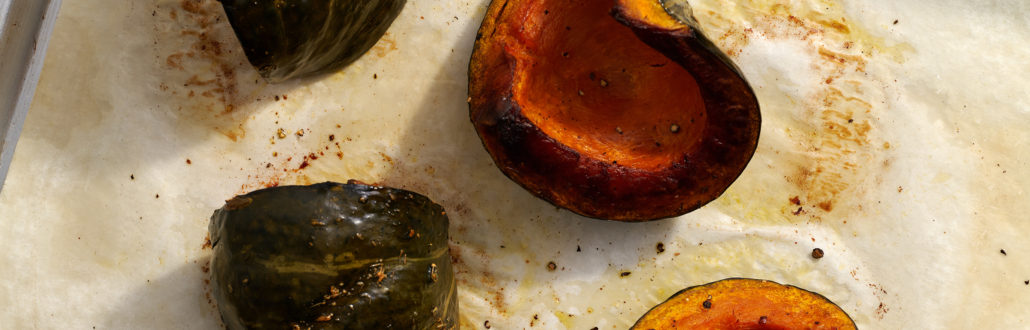
Some of our favorite winter squash are the red kuri and kabocha, both because they are more unique varieties and also because their skin becomes soft and edible when cooked, eliminating the need to peel.
Red Kuri
These bright, orange-red squash are hard to miss if you’re lucky enough to find one at your local market or grocery store. Also known as the Hokkaido pumpkin, red kuri squash are not as common as delicata squash (which can be similar in flavor and texture) so we recommend grabbing a few for the winter when you can. If kept in a cool spot away from sunlight, red kuri squash can keep for several months. Their mild, sweet and nutty flavor lend it well to being roasted, used in stews or curries, or being pureed into a soup.
Kabocha
Known also as a Japanese pumpkin, the kabocha squash is a delicious pantry staple due to its remarkably sweet flavor, even sweeter than a butternut squash. They come in both red and green varieties, though regardless of their exterior color, both are bright yelloworange inside. Kabocha are used in savory and sweet dishes, whether roasted with a miso glaze or turned into a kabocha pumpkin pie. When choosing a squash, pick one that feels heavy for its size and is free of soft spots—a tip that can apply when choosing any winter squash variety.
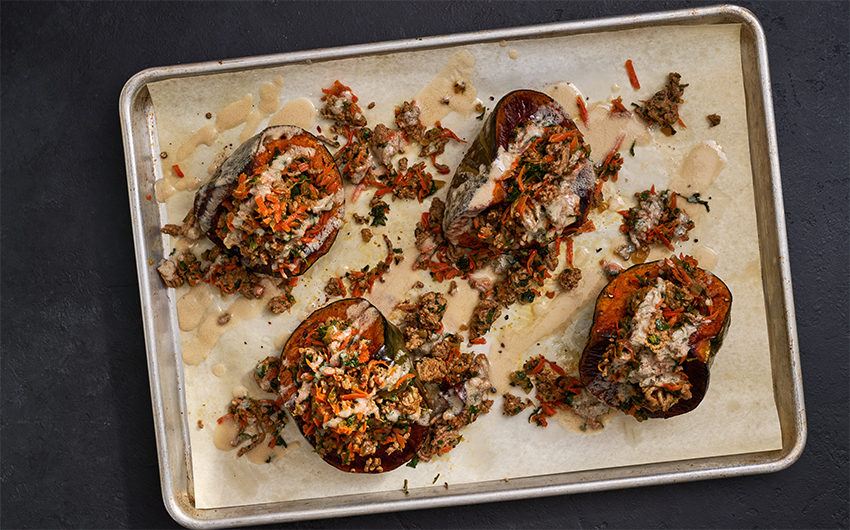
Lamb and Herb-Stuffed Roasted Squash with Lebanese Garlic-Tahini Tarator Sauce
Though there are differences in taste and texture between winter squash varieties, many can be swapped out in recipes. Some of our favorite winter squash are the red kuri and kabocha, both because they are more unique varieties and also because their skin becomes soft and edible when cooked, eliminating the need to peel.
More Stories by This Author

Edible in your mailbox
