
Andy is no stranger to plants. He worked for Harmony Valley for four years and the Willy Street Co-op’s produce department for eight. Despite the Co-op having “the best produce department I have ever seen,” he argues that foraged foods taste even better.
“We’ve bred the wildness out of most of our plants,” he says, “They’ve been coddled. Even in organic farming, some plants have lost their evolved competitive resistance—compounds in the plant that provide flavor and nutrition. Wild plants are more complex, richer and more dynamic. They don’t measure up by comparison.”
FORAGING ROOTS
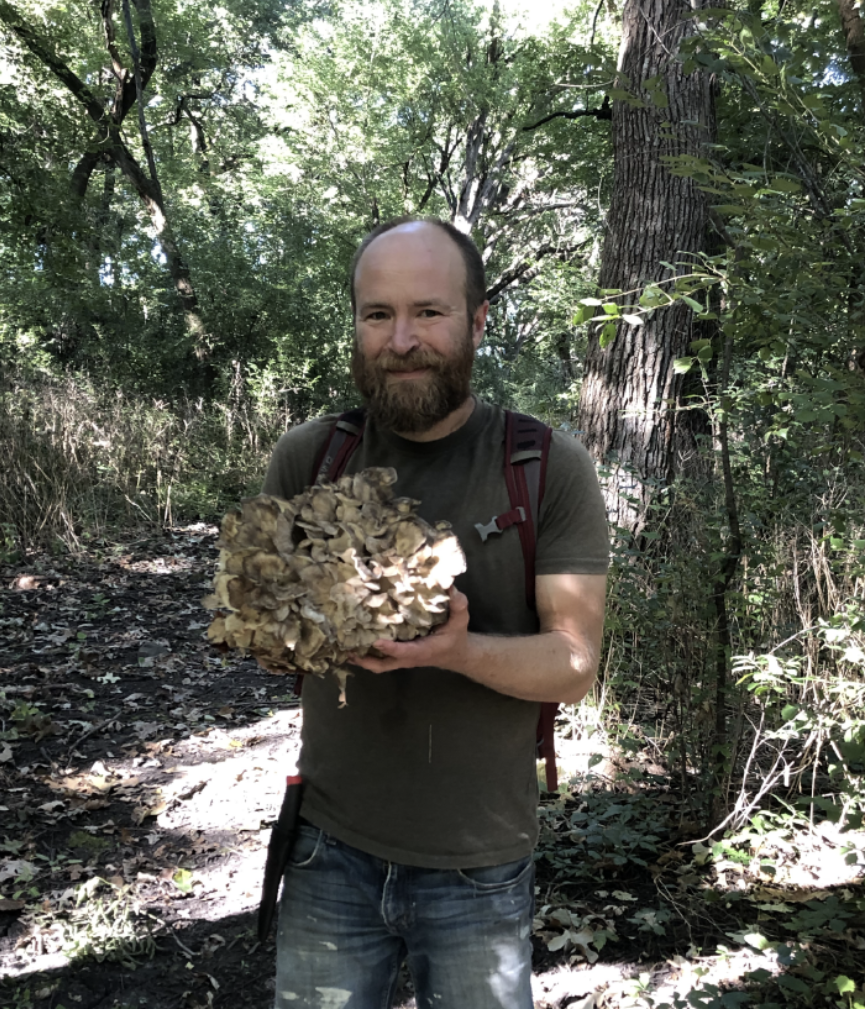
Foraging and making things like pickled mushrooms runs in Andy’s family. He learned from his dad, who learned from Andy’s grandfather, a Russian immigrant. Today, Andy and his partner Nora harvest and craft wild salads, pesto, lasagnas and cook wild greens with maple syrup and vinegar for themselves and their three kids who are 2, 6 and 11.
“I discovered the joy of gathering things—a childlike joy—and that kids will eat wild vegetables that they harvested themselves,” he says.
From March through May of 2020, he and his partner Nora Novich foraged enough wild greens, roots and shoots that they did not need any store-bought produce. Foragers are able to sync up with a hyper-seasonal way of eating. Flushes of greens, packed with nutrients, welcome spring and then wean us off of fresh foods in fall.
“In spring I eat tons of tender greens,” he says, “then I move into tougher cooking greens. I am observing nature and looking for the first leaves of each plant.”
UNEXPECTED TREASURES
Our tour party travels by foot for three hours winding off-trail through woodlands and prairies. We stumble upon berries the birds have not discovered yet and black walnuts dismissively walked over by our fellow park visitors. After hammering the walnuts open on the sidewalk, we bite into the fleshy nut and receive a rush of flavor that is bittersweet, earthy and smooth. We sample tiny ornamental crab apples—condensed pops of fresh, juicy tartness.
I reach as far as my arms can extend to grasp hackberries from a tree nicknamed the “hamburger tree” for its ability to keep stranded hikers sustained on its berries alone for weeks.¹ With a four-foot long shovel we dig up primrose and wild parsnip. We chew purple thistle as gum. Back on the trail, we stoop to pick sochan leaves (cutleaf coneflower), a Cherokee food similar to spinach that is high in Vitamin C and folic acid.² It grows abundantly here at Lake County Farm Park.
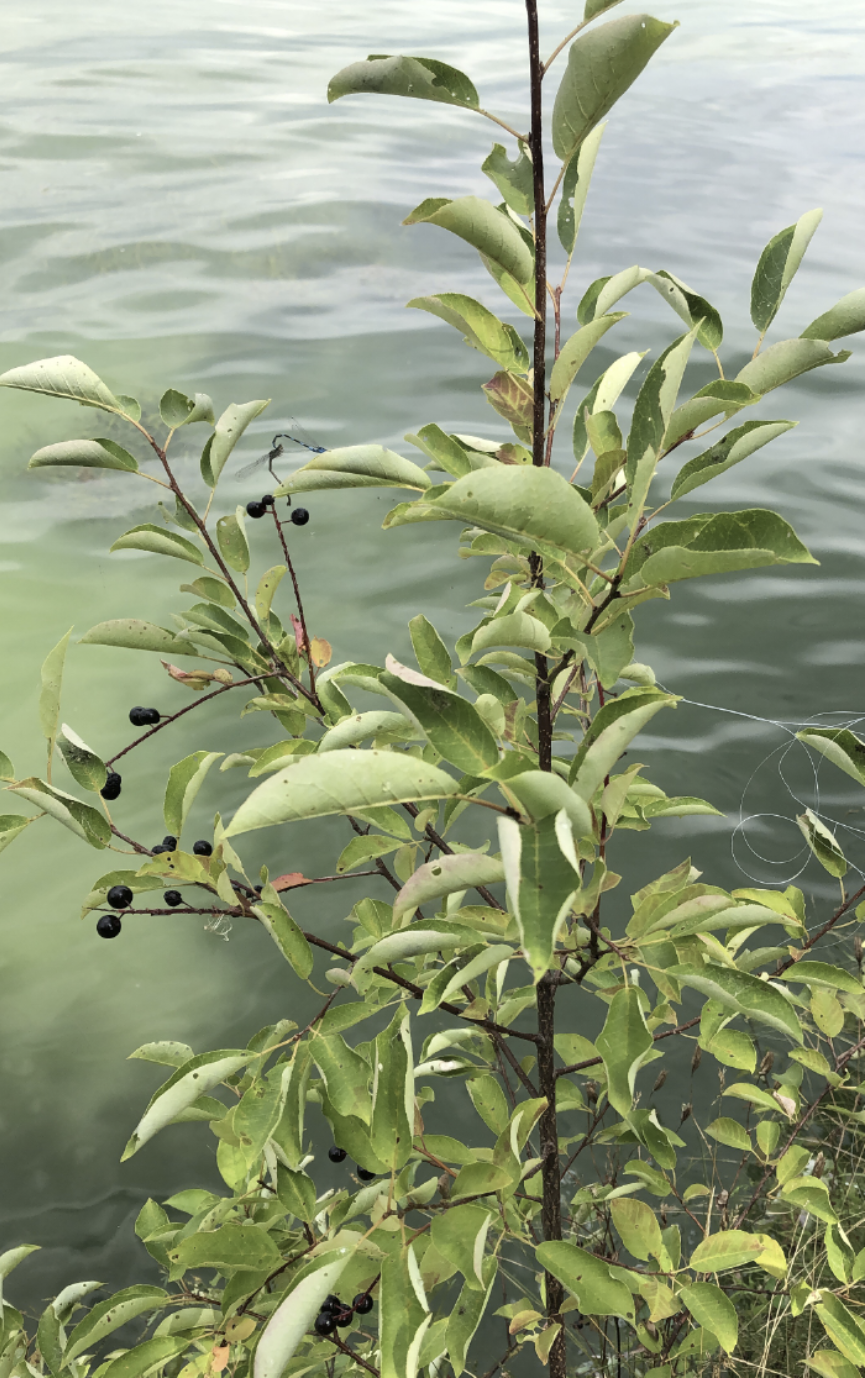
The flavors we uncover are brighter and more complex than anything in a grocery store—at times intensely bitter, other times spicy and herbal.
Similar to the unique flavors we uncover, Andy keeps revealing nuggets of wisdom. Plantains dot lawns in the summer—and were traditionally used for treating bee stings. Behind Edgewood High School are serviceberries, a berry so nutrient-dense it’s sought by bears prior to their hibernation. He says cow parsnip’s greens and stalks are sought by French chefs to make soups and borscht. Andy describes it as a cross between celery and fennel, but 40 times better. Its flower heads are used to make fritters. My favorite are the wild carrot gems at the root of Queen Anne’s Lace and the wild parsnips growing abundantly in Madison parks. Both are prolific, and easy to identify and incorporate into meals for first-time foragers—and packed with stronger flavor than their cultivated counterparts.
We learn about the plants that have grown wild here for generations— including those indigenous to North America and those brought here by European colonizers. We see our history reflected in the plants—European descendants gone wild in an American countryside with abundant fertility. Indigenous plants and people squeezed by development, disease and animosity—given new, Anglican names.
FIRST TIME FORAGING
Andy’s advice for newbies is: choose one or two plants you want to incorporate into your diet and learn how to identify them. Similarly, he recommends learning poisonous plants or families to avoid, like hemlock and nightshade. To learn where to go and the best times, connect with foragers in your area on Facebook Groups or sign up for a guided foraging tour. Understanding what areas are sprayed is important so you don’t accidentally ingest chemicals.
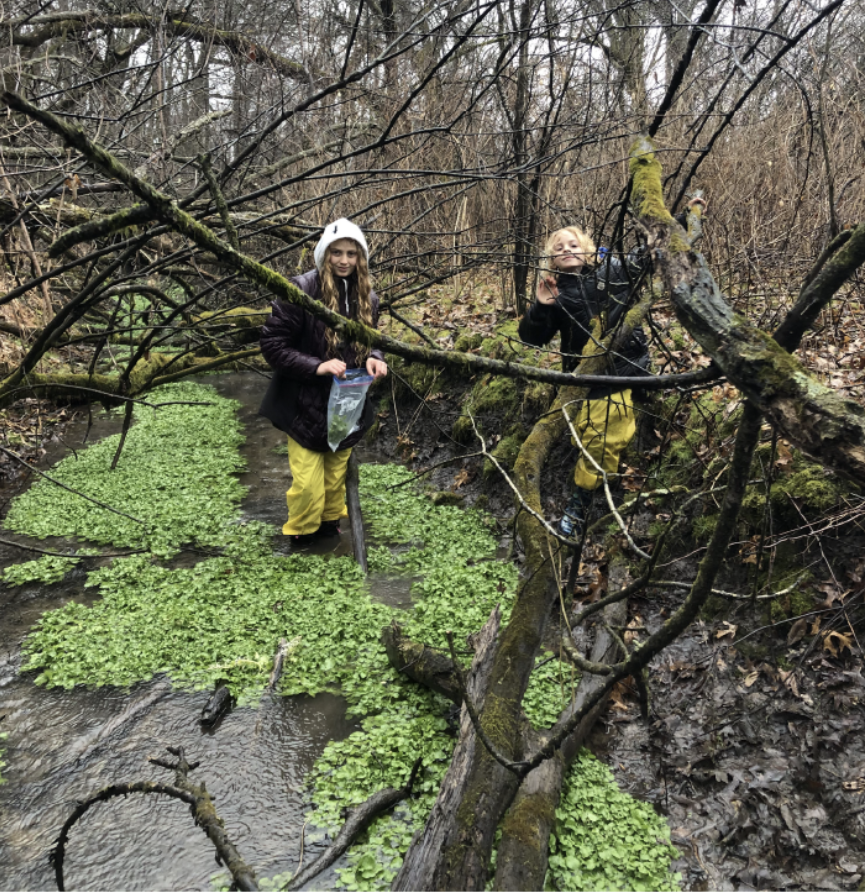
Foraging for fruit, nuts, mushrooms and invasive species (including watercress) is allowed in most Wisconsin State Parks. He sees foraging as beneficial not only for people, but land management as well.
“Foraging, as I see it, also involves tending to the places where I’m finding these plants,” says Andy. “I try to make sure the place is okay with that.”
Never pick too much of one thing, so others may also enjoy it and so the plant can truly thrive.
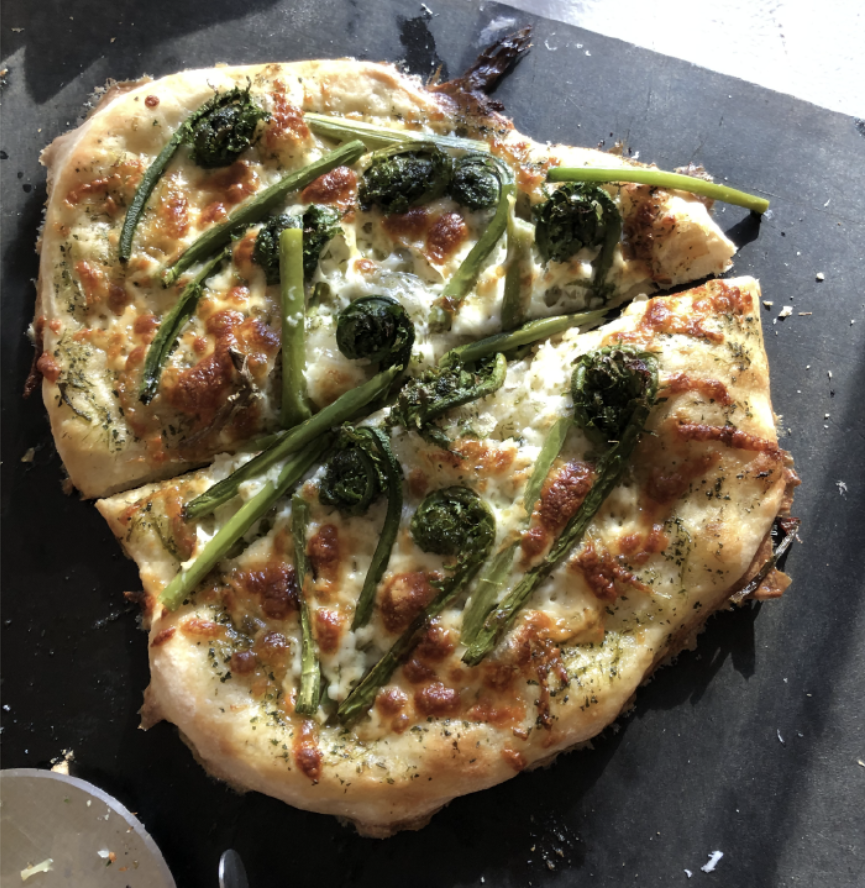
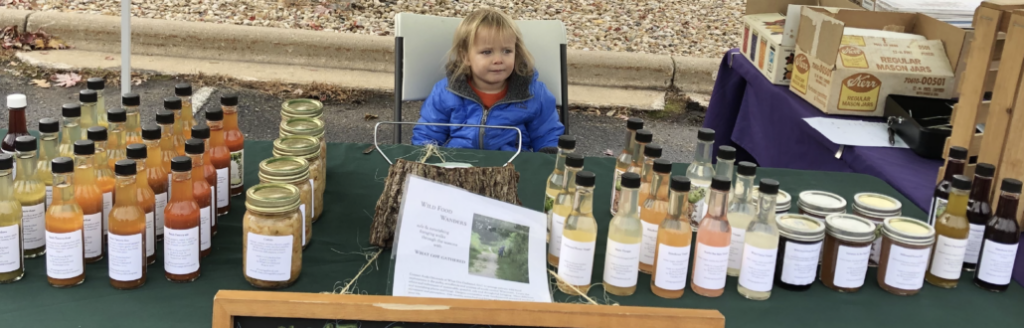
What Got Gathered offers a wild greens CSA from March to May and sells fermented small-batch hot sauces, kimchi and spicy jellies at the Monroe Street Farmers’ Market Sundays May through October.
Private, socially distanced three-hour foraging tours are $40 per person. Kids welcome. Forage tour locations include Lake Farm County Park and Picnic Point.
FORAGING RESOURCES
Start your foraging journey by reading books, joining Facebook groups and following foragers on Instagram. Here are a few ideas to get you started:
The Forager’s Harvest written by Sam Farr of Bruce, Wisconsin
Midwest Foraging: 115 Wild and Flavorful Edibles from Burdock to Wild Peach by Lisa M. Rose
Facebook groups: Madison Wild Foods Collective; Wild Food Wisconsin and Upper Midwest Wild Edibles and Forager Society (northern Iowa); Upper Midwest Mushroom Identification Group
FOOTNOTES
¹ Sam Thayer
² https://intercontinentalcry.or… issue-13-sept-14-20-2019

Black Walnut Maple Sauce
Prior to COVID-19, Andy and his partner Nora hosted What Got Gathered dinners in a friend’s backyard and at Common Ground in Middleton. One dessert brought tears to Andy’s eyes: toasted black walnuts in syrup. Try it on ice cream, or—even better—on cheesecake, with blueberries or wild berries of any kind on top. It may bring tears to your eyes too.