

Small Farms Thrive with Agritourism
SPONSORED CONTENT - Made possible by our friends at Organic Valley.
The breeze gently beats against the other end of the phone as Tucker Gretebeck guides his dairy cows across the ridge of All Seasons Farm in Cashton, Wisconsin, about 30 miles east of La Crosse. Over the bellowing of his herd, Gretebeck shares how a pumpkin patch changed the future of this organic, grass-based family farm.
“I never like to have all my eggs in one basket,” says Gretebeck, who grew up farming the land 10 miles from All Seasons. “The dairy cows graze up on the ridge, and the valley below has so much energy to it. It made sense to put it to use.”
So in 2010, the Gretebecks began to explore agritourism as a way to allow their neighbors to connect to the land and create opportunities for their two children to learn more about farming and their community.
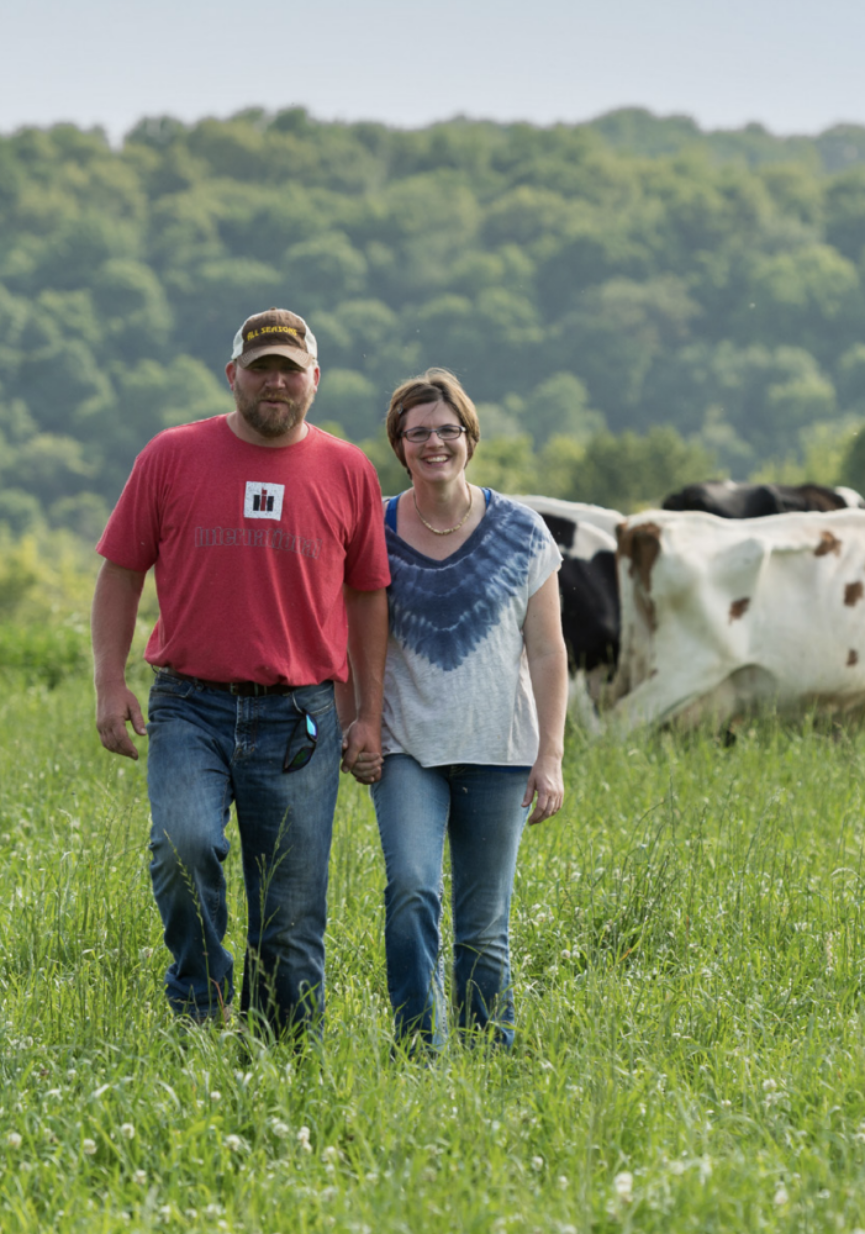
Tucker and his wife, Becky, planted a quarter acre of pumpkins and invited a few friends to explore the patch and enjoy the late summer nights. A few years later, there was a pizza oven, hired actors panning for gold in the “crick,” wagon rides, and visitors from across southern Wisconsin learning about the land and building relationships with each other.
“It’s about evolving the farm,” says Gretebeck, who went fully organic in 2006 when All Seasons joined Organic Valley, a farmer-owned cooperative based in La Farge, Wisconsin. “I’m farming differently than my dad did and my kids will farm differently than me. I want to create opportunities for them now so they can decide how they want to farm in the future.”
As an Organic Valley farm, the Gretebecks benefit from the co-op’s mission to create a more stable economic model for member farms, allowing them to explore things like agritourism.
“We offer our farms a stable pay price,” says Joshua Fairfield, Organic Valley public relations manager. “That means we're not passing market pressures on to our farmers. Farmers in our cooperative can plan further ahead to grow their farms and their livelihoods.”
In 2018, a flood washed through the valley at All Seasons Farm, taking the pumpkin patch, cabins, pizza oven and gathering place with it. Instead of giving up on what they had built, Gretebeck seized the opportunity to show his two children the power of resilience. Because the dairy operation overlooks the valley and he could rely on stability for his product from Organic Valley, Greteback was able to sustain the loss from the flood and rebuild.
They converted a hog smoker to a pizza oven, allowing local groups to do pizza fundraisers in the pumpkin patch. The farm provides the ingredients and a quick training session, then the kids cook the pizzas and get to keep the profits. Gretebeck’s son, Trent, even took over making the pizza sauce. Last year they had roughly 4,000 visitors on the farm, equal to pre-flood numbers.
Gretebeck says his family sees pumpkin patch season as a vacation, something to look forward to every year. “We hire someone to milk the cows at night so the family has time to focus on the pumpkin patch and make connections,” he says. “When we have school groups or tours, we let our kids get involved and it gives them exposure to the business end of it like figuring out how much food we need, how to manage the money and thinking of other experiences we can offer.
Fairfield notes that agritourism is booming across the cooperative’s 1,800 farms in 30 states and attributes much of it to technology and social media.
“Technology has made it possible for the small farmer to reach a broader audience and market their farms with things like tours, overnight stays and pizza nights,” he says. “Before those channels were available, it wasn’t possible to find the time and resources needed for advertising, scheduling and accounting.”
He adds that the rise of domestic tourism during the COVID-19 pandemic drove the desire for experiences and connections, creating the perfect environment for small farmers and agritourism.
Overnight stays on farms is one category that has seen a boom. According to Airbnb, nights booked at farms have doubled in the first quarter of 2022 compared with the same period in 2019, and there are now roughly 100,000 farms to choose from across the country on their site.
Don and Samantha Frei, owners of Morning Dew, an Organic Valley member farm in Argyle, Wisconsin, jumped at the chance to introduce travelers looking for a rural getaway to their dairy farm by turning a property on their land into a bed and breakfast. Guests can slip on their farm boots and help milk the cows, collect eggs or assist with other daily chores. The Frei’s mission is to reconnect visitors with where their food comes from, either hands-on, through tours of the farm, or by just watching the animals go about their daily lives from the comfort of the front porch of the guest house.

Former chef Andy Watson and his family, owners of Sprouting Acres in Cambridge, Wisconsin, began considering agritourism in 2010 when they began to see declining interest in their community supported agriculture (CSA) program that had been the core of their small vegetable farm for years.
“All of a sudden there were so many organic delivery options like Hello Fresh and stores offering more organic produce. It got harder and harder to fill those 100 CSA box spots each year,” says Watson. “We realized we were too dependent on our CSA and farmers’ markets.” The Watsons knew they wanted to keep their operation small yet sustainable, so instead of taking their food to people, they decided the answer was to bring people to the food.
Watson and his wife put together a 10-year plan in 2010 to diversify and explore agritourism. They built a structure to host events and meals, and as a former chef, Watson eased into cooking classes and private dinners on the farm.
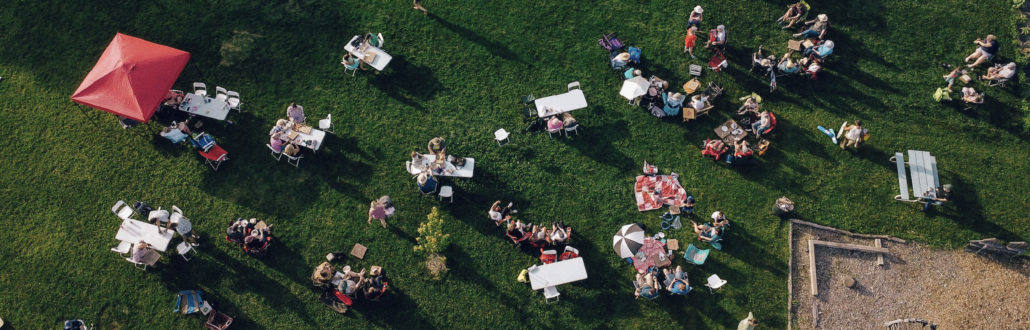
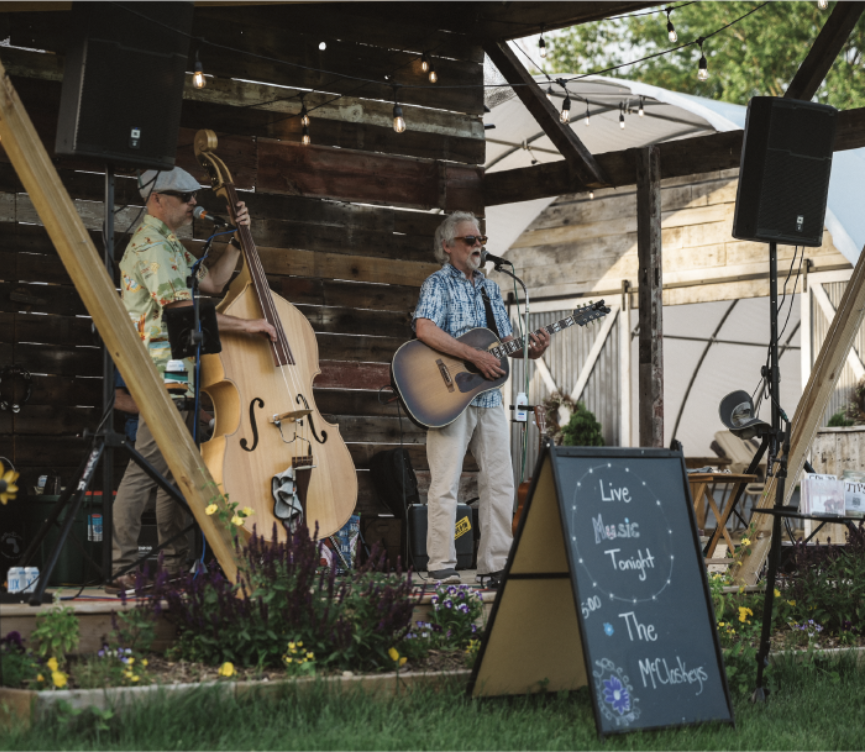
In 2018, the family hosted their first Pizza on the Farm event with a few friends. Four years later a typical Sunday crowd swells to 400. Watson encourages visitors to make an afternoon of it when the weather cooperates. Grab a picnic table, enjoy the band set up on the small stage, let the kids wander through the mowed grass trails or watch bluegills swim in the pond.
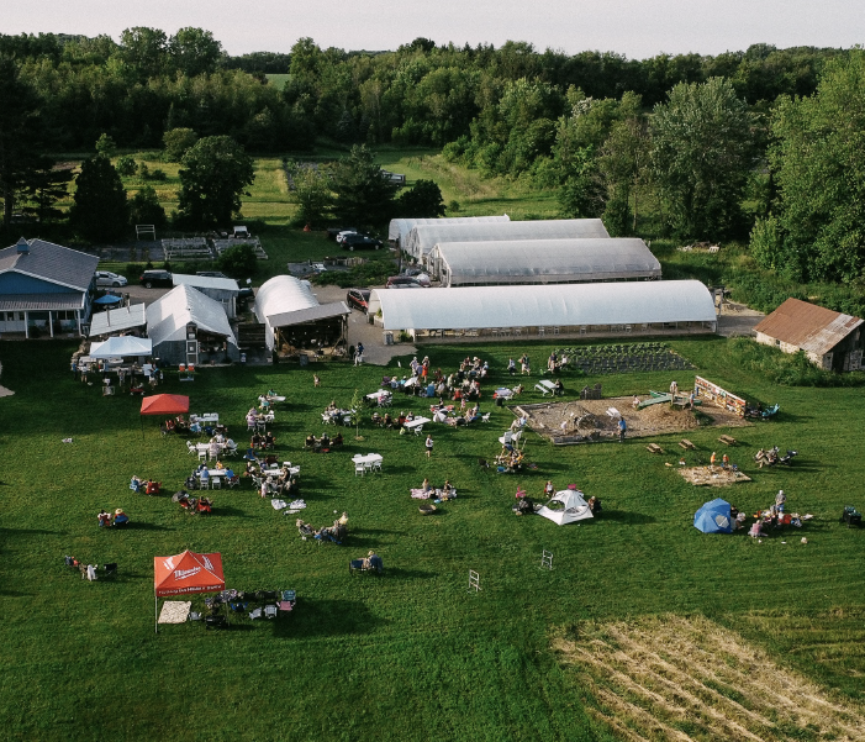
“It’s about creating this culture where people can slow down and experience their food and where it comes from,” he says and notes that the average age of farmers is only getting older as children decide to leave farming behind. “But if they can do a haunted barn or a pizza night or an event space, it can help them diversify and find other interests on the farm. It’s how we as the next generation continue.”
More Stories by This Author

Edible in your mailbox
