
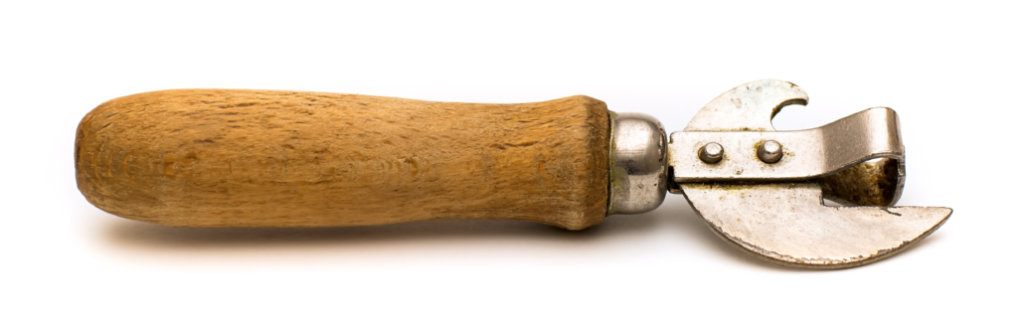
Lobbying, advertising and experimentation in the canning industry paved the way for processed foods, and understanding the origins of our modern food system could pave the way for food justice today. The way we produce, preserve, distribute and eat food was altered with the rise of canned foods—enabling Americans to eat without ties to season and land. Taking a look back at the story of canned food can help us move forward in building sustainable and equitable foodways.

Hannah Wente: Why is food history important?
Dr. Anna Zeide: A lot of the issues in the current food system are rooted a century or more in the past. There have been a lot of ill-fated attempts, both in the past and present, to change the way people eat for health or environmental reasons, with a real ignorance of how much food matters emotionally, historically and culturally. Food history gives us that sensitivity and awareness to the situational reasons that diets are the way that they are.
HW: Why write about canning?
AZ: My parents are both Russian-Jewish immigrants. I grew up in a small town in Arkansas on 25 acres of woods. And although my family didn’t do home canning, my dad grew a lot of his own food in our garden and my parents did not use American processed foods. My friends had Doritos, Kool-Aid and other brand-name foods that were so present in the ‘80s and ‘90s when I was growing up, and we didn’t really eat those. I grew up very aware of the way food is a marker of culture, identity and insider-outsider status, especially in a town with very few immigrant families. What we eat reflects where we come from. Those early traditions shaped my sense of why food matters and why food choice matters.
My family interest in food led me to write about food history. As I was trying to find a topic within food history, I started to notice that a lot of the biggest food companies today started as canning companies. The story of the canning industry shows how much food production is tied to all other aspects of our culture and economy—you pull one string and everything unravels.
HW: For a first-time reader of your book Canned, what are the key ideas you hope they uncover?
AZ: Looking at the canning industry helps us recognize that taken-for-granted objects like cans of food have such deep histories. Everything we consume, touch, interact with is the product of lots of people’s time, effort and intentional manipulation. Only through these efforts has canned food become something that we can ignore. Public health officials, marketing specialists, consumer activist groups and industry professionals have all worked together at different times to make it so when we pick up a can or other packaged food off the grocery store shelf, it seems like a really simple act.
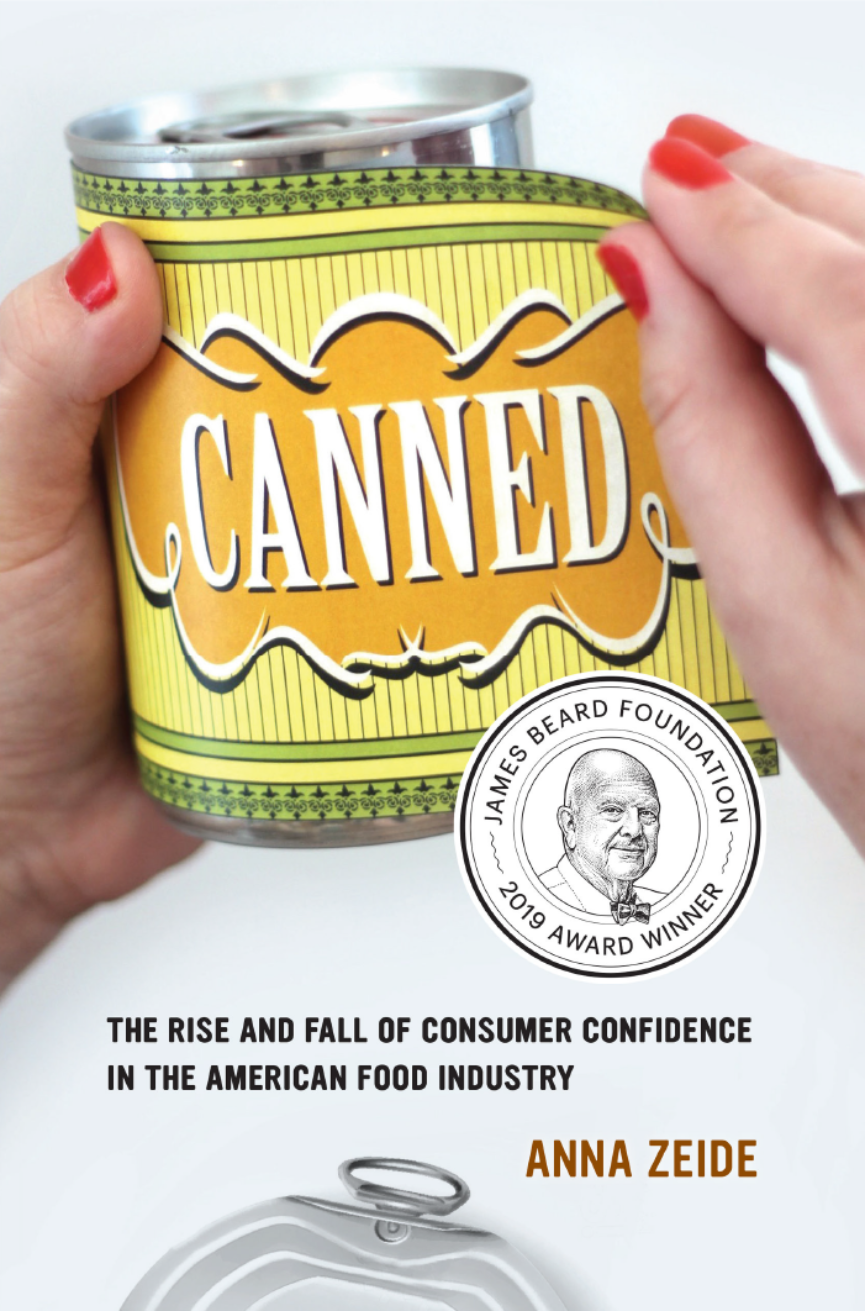
My book can also help people understand the role of trade organizations, coalitions across different companies, which otherwise don’t get a lot of attention. The National Canners Association became the Grocery Manufacturers Association, which is one of the major food lobbies today. Because grocery stores drive a lot of demand for production, this group ends up having a lot of power.
HW: Can you talk about the unique relationship between military food and civilian food?
AZ: The U.S. Army stimulated and developed relationships with canners, beginning in the Civil War and peaking during World War II. You had this buildup of infrastructure to support canned and processed food for the war effort and an increase in demand from returning soldiers. A lot of processed foods, including energy bars, instant coffee and TV dinners, got their start as military foods.
HW: You mention the opaque can in your book and people being wary of its contents. What parallels does the rise of canning have with the rise of processed foods?
AZ: The can emerged in the early 19th century when most people still had a real physical tangible connection to food— whether they were growing their own food, getting it from neighbors, or going to local markets. They would evaluate the freshness of the vegetables, meat or bread based on how it smelled, looked and felt. Then food was put in this standardized, hard-walled opaque can. Your senses were no longer involved in the process of experiencing and evaluating food. Instead, all of the cans looked the same and the contents were invisible until you went home and opened it.
Often new innovations require a big marketing push in order for people to say, “Okay, this thing I never thought of being necessary, is.” By the 1930s, you have the rise of advertising, marketing sciences and branding as a central factor in how people choose their food. Canners were at the forefront of creating national brands and marketing campaigns. These techniques taught consumers to buy based not on that individual experience, but on the trust of the brand name.
That brand name was then associated with other values at the time. From purity—a major push at the turn of the 20th century—to convenience a little later, to “taste of your childhood” and using kids in advertising, all of these were valuable tools in building a market for an industry that was so unfamiliar. I argue that the relationships canners built with collaborators— marketing experts, scientists, public health officials, bacteriologists, university extension agencies and agricultural experiment stations—were the foundation for the processed food products and ways of eating today.

HW: How did the canning industry overcome initial public hesitancy to create a literal, store-bought household staple? How was the industry able to shift how we eat, from growing and preserving one’s own food to buying food at a store that someone else grew?
AZ: By the early 20th century, you have the rise of germ theory and the ability of scientists to point to things under the microscope that were spoiling food and causing sickness. Canners got in on this rising value and acceptance of scientific expertise as a marker of what we trust. At the same time, you had the rise of the federal government. Prior to the Civil War, the federal government had a small role to play in people’s daily lives. The 1906 Pure Food and Drug Act is one of the first major examples of a government’s interference in people’s daily lives. The canners promoted and benefited from regulation.
Canned food was emerging as a part of, and maybe emblematic of, a broader sensory overload mode of the late 19th century where everything was changing. Cities were growing, railroads were emerging, and communication technologies like the telephone and telegraph were speeding everything up. Canned food fit into that.
HW: How do canned foods help and hinder food justice?
AZ: Industrial food may mean less work for individuals in their homes, but more work for agricultural and factory laborers— the labor is displaced and unseen. Corporations, for whom the bottom line is the major concern, will always make choices that are better for the financial interest of their stockholders, without much attention to public health, worker welfare or environmental problems. Unless, that is, consumers make their voices heard. Food companies are public-facing and consumers buy food products every day. The companies want to appease consumers, on a deep or surface level.
We need to keep fighting at the level of our own food practices, and also recognize food as inherently political. Pay attention to state, local and national food policies. Pushing for food to be a platform in national conversations is necessary.
HW: For many, canned food became an unsung hero of the COVID-19 pandemic. People were stocking up on canned food and toilet paper. Any thoughts on what role it can play today and in the future?
AZ: Canned food becomes a go-to when people are prepping for the pandemic or other emergencies. It’s clear that the preservation capabilities of canned food are unmatched. Canned food is really critical to talk about when building local food systems. Especially in places with shorter growing seasons like Wisconsin, eating locally year-round requires food preservation. I think canned food can also be a great way to prevent food waste. During the pandemic, we saw food rotting in fields and people pouring out milk that was supposed to be in schools. If we had nimble canning apparatuses to help preserve and prevent food waste at the production end, that could be really transformative.
In the Depression era, there were many small-scale canneries located in communities where people could bring large portions of their own foods or garden products to be industrially canned and then people could bring those cans home with them. That’s a cool model—something in between commercial and home canning.
HW: The canning industry drove change in terms of food marketing and lobbying, not necessarily good change, but change nonetheless. Could it be used as a force for good in terms of food justice? You talked about the number of people involved with producing canned food—if there were fair labor practices and fair wages for those workers, could that drive a lot of change in the food industry?
AZ: I think there’s a role that canned food, whether at the individual home level or community level, can play into the future. The way that processed food industries are so influential and embedded in the federal government lobby, grocery stores, and food banks, they do command a lot of connection, power, and control that limit food access and create food injustices. If canning companies saw themselves as more centrally responsible as citizens and not just as corporations they could have enormous positive influence.

Interested in more from this author?
Acquired Tastes: Stories about the Origins of Modern Food is a book of essays on food from the 1880s to 1930s available from MIT Press. It features an essay by Dr. Anna Zeide about Marion Harland, a famous domestic advisor and cookbook author who became a spokeswoman for the canning industry. Look for Dr. Zeide’s new book U.S. History in 15 Foods on shelves in early 2023. She uses iconic foods like milk and condensed milk to illuminate everything from the American Revolution to the Cold War.