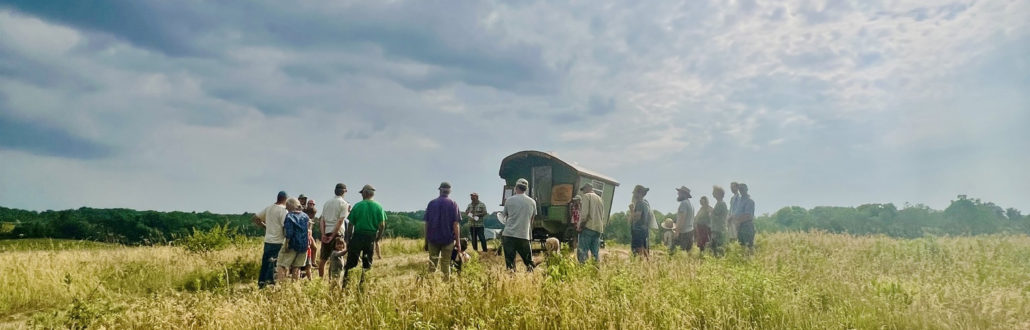
A Driftless Folk School Turns Twenty
“It is all about relationships,” says Martha Buche. She holds a basalt rock in one hand, a piece of the ancient lava flows that formed the basin of Lake Superior.

“It is all about relationships,” says Martha Buche. She holds a basalt rock in one hand, a piece of the ancient lava flows that formed the basin of Lake Superior.
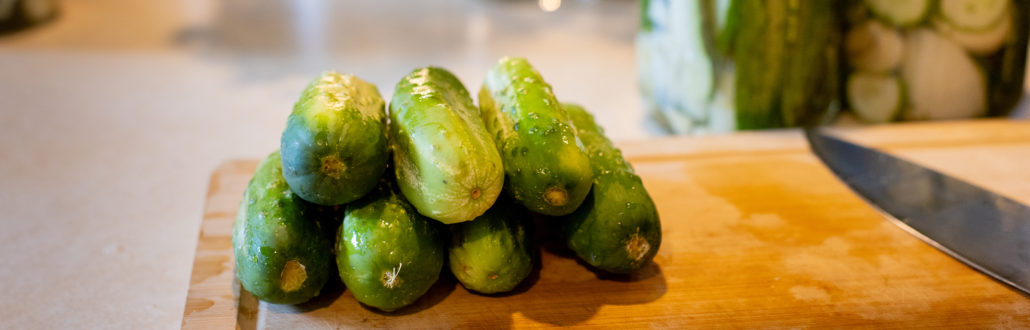
Ball jars were clean and clustered on the counter. Piles of ripe tomatoes and knobby cucumbers sat ready next to well-loved cutting boards. Now all this party needed was some
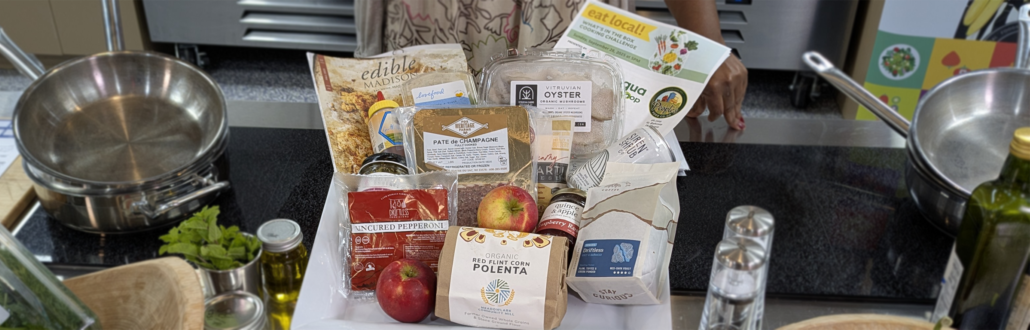
Edible Madison teamed up with Willy Street Co-op, Viroqua Food Co+op, and People’s Food Co-op to celebrate Eat Local Month this September with our Eat Local! What’s in the Box
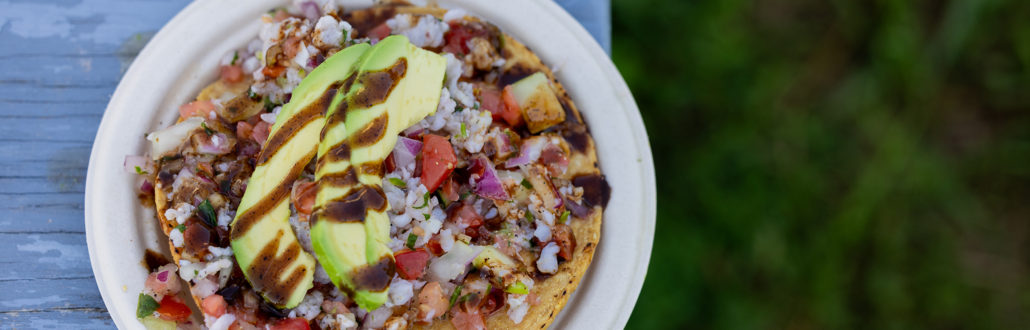
I first got the thought to cook meals for people while working in my garden. It wasn’t a particularly special day. I was weeding my collards as I always did
Ho-Chunk’s resiliency gardens break groundThrough their Resiliency Garden project, the Ho-Chunk Nation Department of Agriculture is building tribal food sovereignty by expanding capacity not just for their department, but within
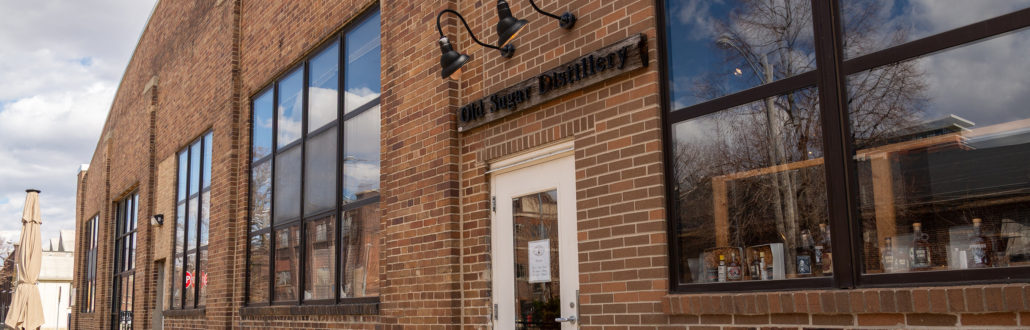
Madison’s Main Street intersects Brearly Street between Willy Street and East Washington Avenue. The neighborhood may not have the Cream City brick buildings and bars that line other Wisconsin towns,
I love the Driftless Area, and I’m hardly alone. Chances are that one of your favorite local haunts is called The Driftless Something. The natural beauty of this region works
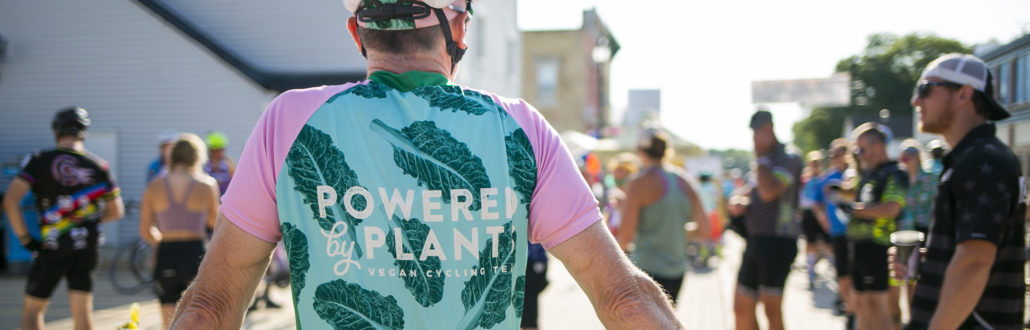
“I’ve got something to prove,” says Lauren Montelbano. “I want our riders to be out there not feeling depleted, feeling strong and blowing by the haters—showing that you can be
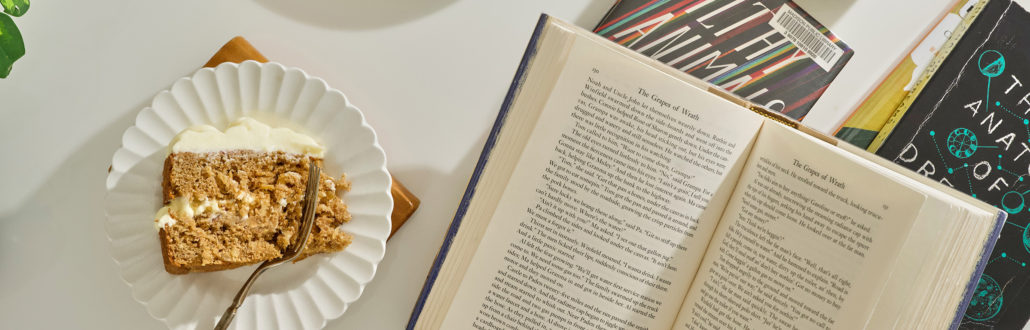
Paging through Madison’s food history through fiction
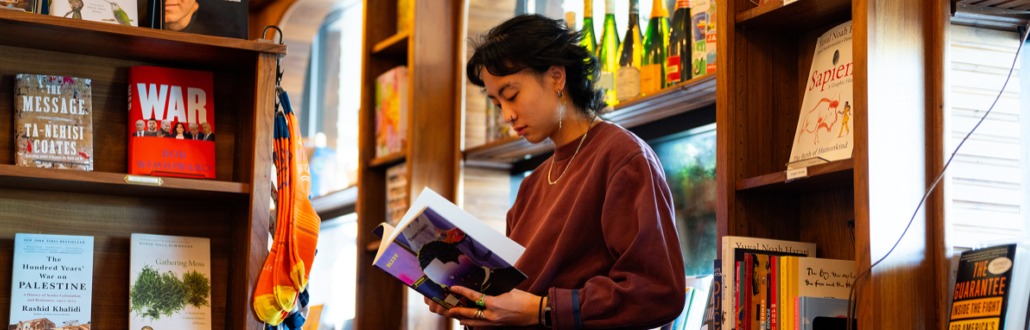
Finding the ways food and fiction intersect is made deliciously obvious at the following local gems: Leopold’s in Madison, Arcadia Books in Spring Green, ObertAlvin Coffee House in Blue Mounds
In January 2022, Nikki Hageman and Kaitlin Sherman launched Don’t Cook for Cowboys, their collaborative dinner party side hustle. They started by hosting gatherings for friends and quickly expanded to
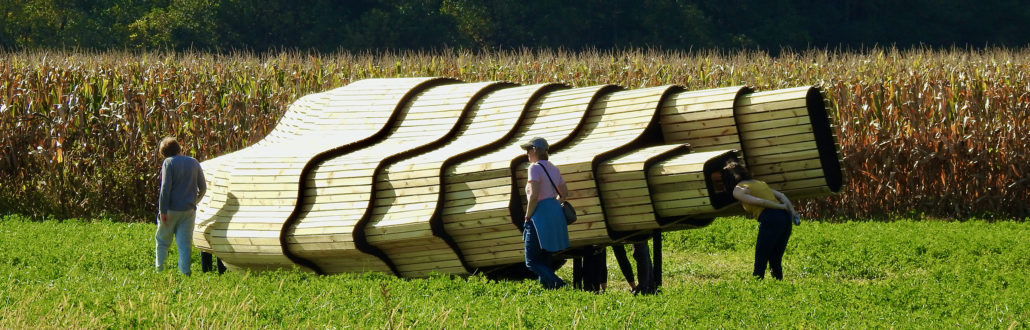
Wormfarm Institute co-founder and Chicago transplant Jay Salinas doesn’t hesitate when asked how he landed on a 40-acre farm near Reedsburg, a rural farming community with a population hovering around