

Butter
Cooking Tips
- Did you know you can easily make your own butter at home? It’s true! All you need is heavy cream and a mason jar. A great kids' activity.
- Put the cream in the jar, seal tightly and shake it up.
- In 15-20 minutes, you’ll have a ball of butter and buttermilk, which you can use in pancakes or other baking.
- Make “compound” butter by adding dill, garlic, rosemary, lemon, honey, etc.
Details
Butter has a conflicted history. Some camps vilify its saturated fat content and non-spreadability, while others preach the gospel of flaky pie crusts and (when pasture-raised) higher brain- and heart-healthy conjugated linoleic acids (CLAs) and omega-3 fatty acids. When it comes to the butter vs. margarine debate, we at Edible Madison agree with the well-known nutritionist, Dr. Joan Gussow, who said, “I trust cows more than chemists.”
Use organic butter whenever possible. Chemicals used on conventional fields and in feed bioaccumulate (i.e., continue increasing while never depleting) in the cow’s fatty tissues, including the butterfat in its milk, which is what’s made into butter.
A unique butter from our region is Organic Valley’s seasonal Organic Pasture Butter, made from the milk of pasture-grazed cows only during the peak pasture season—May through October.
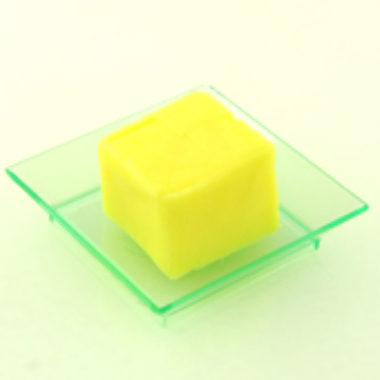
Nutrition: Butter from cows that grazed on pasture has been shown to have higher levels of beneficial CLAs and omega-3s. Though high in fat, real butter contains fewer, if any, unrecognizable ingredients. Butter only requires cream, and will sometimes contain cultures (for European-style butters) and/or salt.
Related Recipes
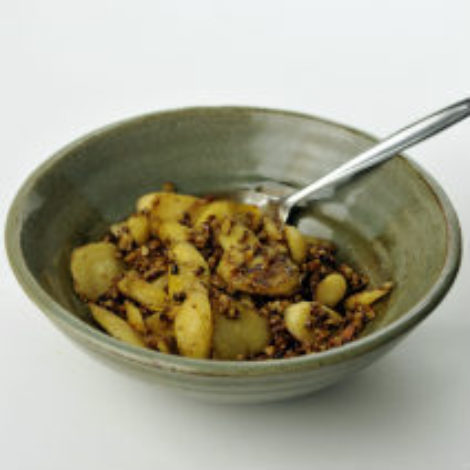
Maple Browned Butter Parsnips
Spring 2020
Black Garlic & Blue Cheese Compound Butter
Winter 2019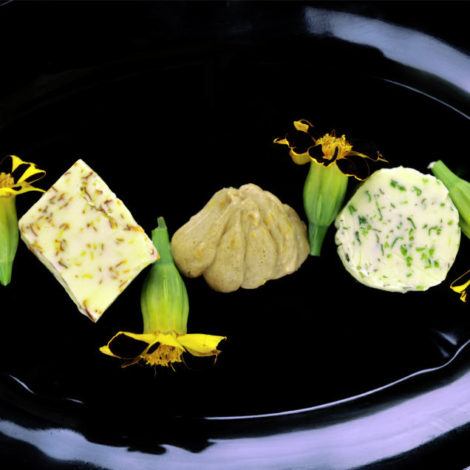
Butter Charms
Fall 2018More Recipes With Butter
Related Stories
Garlic
Spread the Love: Making Homemade Butter
Better Butter
Toasty-Warm Potations
More Stories With Butter

Edible in your mailbox
