

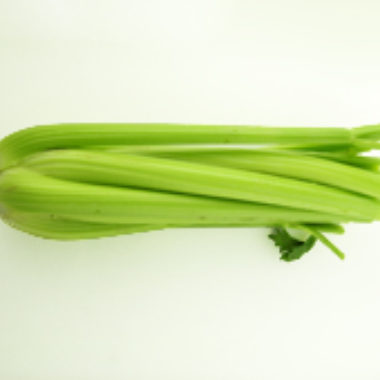
Celery
Cooking Tips
- Good ol’ fashioned ants on a log, or any variation.
- Toss a couple stalks in the juicer when making vegetable juice.
- Celery is a staple in soups and stews. Before adding liquids, cook until the celery is tender.
Details
Celery was first used as medicine as far back as the 9th century B.C. It wasn’t considered food until the Middle Ages, and it was brought to the U.S. only in the 19th century.
Choose stalks that are crisp, snappy, upright (not splayed), and have leaves attached. Avoid celery if, when looking down into the middle, you see black discoloration (a sign of insect damage) or a seed stem in the center of the bunch (causes bitterness). Celery is one of the 12 foods to always purchase organic due to high pesticide residue levels, according to the Environmental Working Group’s “Shopper’s Guide to Pesticides in Produce”—in fact, it’s #2.
Fun Fact: Of the story that digesting celery burns more calories than the stalk contains? That’s actually true. Celery on its own won’t cause a miraculously trimmer waistline, but having a stalk or two to stave off a midday chocolate craving will.
Nutrition: One cup of raw celery has 36 percent recommended daily value of vitamin K. It also contains good amounts of folate, vitamin A, potassium and dietary fiber. Chinese medicine claims (with modern science backing) that celery helps lower blood pressure—it helps relax muscles around the arteries and reduce stress hormones.
Related Recipes
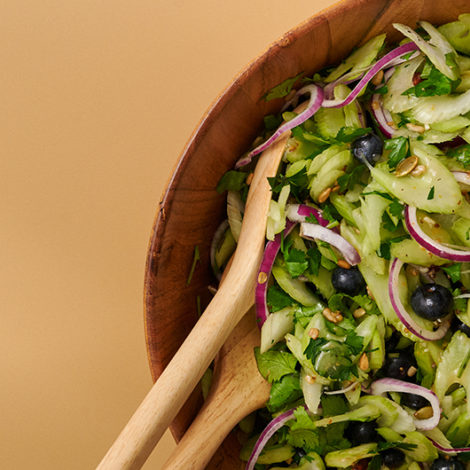
Celery and Blueberry Summer Salad
Summer 2026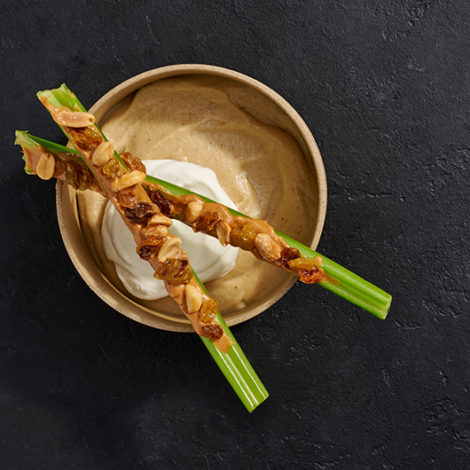
Ants-On-A-Log Soup
Winter 2024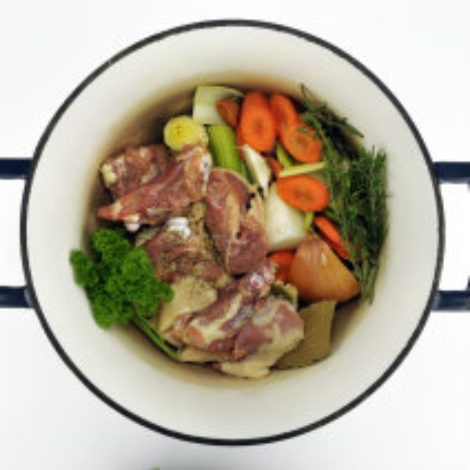
Homemade Poultry Stock
Winter 2019More Recipes With Celery

Edible in your mailbox
