

Kohlrabi
Brassica oleracea Gongylodes Group
October - March
Cooking Tips
- Kohlrabi can be eaten raw, steamed, roasted, or added to soups.
- Shred and mix with an egg and a bit of flour, then fry into fritters.
- If cooking, leaving the skin on until after heating will make it easier to remove.
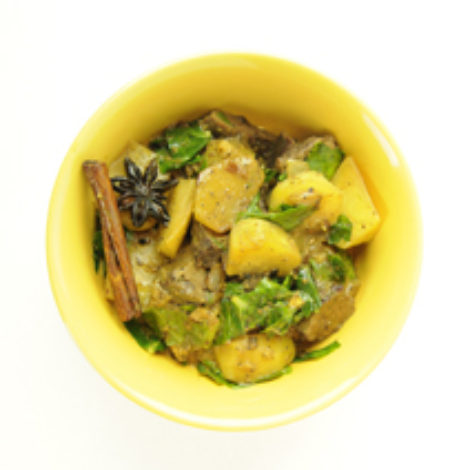
- Kohlrabi's flavor lends itself especially well to Indian and curry dishes.
- For a twist on the classic coleslaw, combine a couple of shredded kohlrabi and carrots. Toss with a dressing made from mayonnaise, a pinch of sugar, some mustard and a little lemon juice. Let stand for a couple of hours to meld flavors.
Details
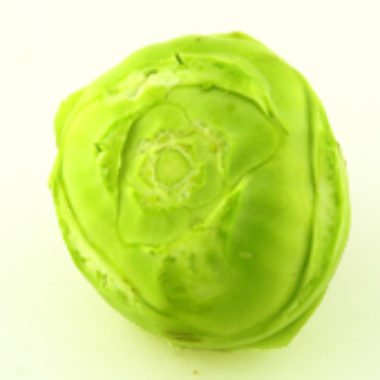
Kohlrabi is popular in Asian, Indian and African cooking, but is less well-known in the United States. Similar in flavor to broccoli stems, but noticeably milder, Kohlrabi is a versatile vegetable. Bulbs come in two varieties: light green and deep purple. The purple bulbs are generally sweeter. Look for bulbs smaller than 2 1/2 inches across with smooth, unbroken skin. Larger bulbs can be woody, with a tough texture and little flavor.
Nutrition: Kohlrabi is a very good source of dietary fiber, vitamin C (140% daily value in 1 cup!), vitamin B6, copper, potassium and manganese. It is also low in saturated fat and cholesterol and contains a number of health-promoting antioxidants known as phytochemicals,
Related Recipes
More Recipes With Kohlrabi
Related Stories
More Stories With Kohlrabi

Edible in your mailbox
