Pasture and Plenty has a unique model: there’s a kitchen that serves breakfast and lunch, a deli counter that offers premade salads, sandwiches, and baked goods, an open kitchen in the back for classes and demos, and a pantry that stocks high-end ingredients, kitchen tools, cookbooks and prepared meals. That last one is key to what helps set Pasture and Plenty apart. Ever since the café opened in 2018, they’ve offered a weekly meal kit subscription service, which currently consists of a heat-and-eat refrigerated meal, a frozen meal, and a cook kit, which includes all the ingredients you need to put together a high-quality dinner in your own kitchen.
It’s also easy to see why the café has the framed award. During the interview for this piece, Pasture and Plenty owner Christy McKenzie chatted up a family traveling to Chicago who stopped for lunch, and ran over to help a customer at the register who seemed unsure of what they wanted to order. Even during a busy lunch service, the diversity of Pasture and Plenty’s offerings was on full display: amongst a full dining room, people were browsing the wine shelf, grabbing bags of locally grown and milled flour, picking up frozen meals for future dinners, and getting deli salads packed to go.
During the early days of the COVID-19 pandemic, Pasture and Plenty’s meal kit business boomed. They were quickly outgrowing their kitchen space, but they also saw an opportunity: if they expanded to take over the building next door, they’d be able to increase meal kit production and increase prep space for when customers returned to dining in. There was just one issue: the building next door had more space than they could handle. That’s where the P&P Makeshop went from an idea that McKenzie was kicking around to a full-fledged business plan: what if, instead of trying to fill the kitchen space for themselves, they could build out an incubator prep kitchen for fledgling food businesses?
We’re in it collaboratively, we’re trying to be good stewards of the property and help people run great food businesses.” -Christy McKenzie
Currently, the Makeshop has four members: Tart Baked Goods, who makes frozen, ready-to-bake pastries and baked treats; Madison Cheese Boards, who produces beautiful cheese and charcuterie boards; Flynn Creek Farm, who produces a variety of sauces and packaged goods from ingredients on the farm; and Ice Cream Social, who makes ice cream and occupies the scoop shop space at the front of the Makeshop. “The work of the space is to make sure that it works for everybody,” said McKenzie, pointing out that Ice Cream Social frontloads production so they’re stocked up for busy weekends, but Madison Cheese Boards often produces to order, and the owners have to work around their other work schedules.
Recent Makeshop graduates include La Cosecha Tortilla Company, whose tortillas are in such high demand from local restaurants that they are in the process of opening their own space, and Barrett’s Bagels, whose nonstop farmers’ market lines pushed them to begin building out their own bakery and café. Past short-term members
include Les Délices de Awa, Yellow Dog Deli, Milpa, Ally Pops and Kinfolk Apothecary.
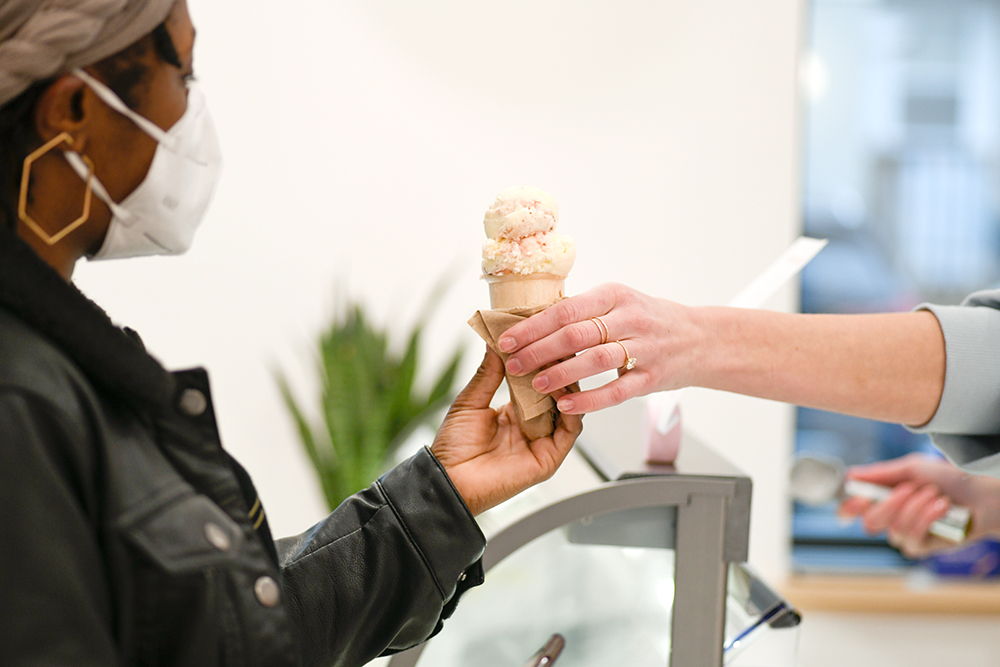
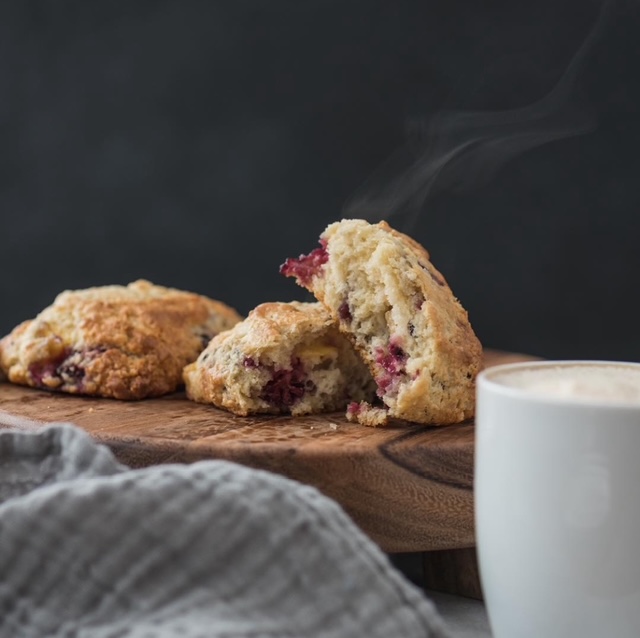
The Makeshop itself looks like most commercial kitchens—there’s a large walk-in cooler, individual refrigerators for each member, shelving, prep tables and a packaging room where all the different foods are sealed up and labeled for sale. What makes the space special is its true collaborative nature. Because Pasture and Plenty has a retail pantry in its public-facing café, Makeshop members can sell their goods directly to walk-in customers, and Pasture and Plenty meal kits incorporate items from Makeshop members whenever possible. For example, you could stop by Pasture and Plenty on your way home from work to pick up a Madison Cheese Board spread for a party, snag fresh pasta and a sauce from Flynn Creek Farm for tomorrow, and take home frozen Tart Baked Goods scones to bake in the morning for breakfast. Maybe you even stop by the Ice Cream Social scoop shop on your way back to the car.
One of the main goals of Pasture and Plenty was to connect local farming and food production with a fine-dining approach to cooking. Inspired by her childhood watching the workers roll croissants at the historic Madison chain Ovens of Brittany (open from 1972 to 2000) through the kitchen window (and her own time on the croissant crew at L’Etoile), McKenzie wanted to ensure that Dane County’s bounty was presented at its highest level. After four years of success with Pasture and Plenty, she felt strongly that the P&P Makeshop could give other people the same opportunity. “We’re in it collaboratively, we’re trying to be good stewards of the property and help people run great food businesses,” said McKenzie.
As a business itself, P&P Makeshop gives budding food producers a chance to pursue their culinary goals without having to worry about some of the administrative aspects of running a food business. Because the P&P Makeshop is already a licensed food production facility, its members can focus on perfecting recipes and producing their products rather than planning for floor drains or sizing up range hood requirements.
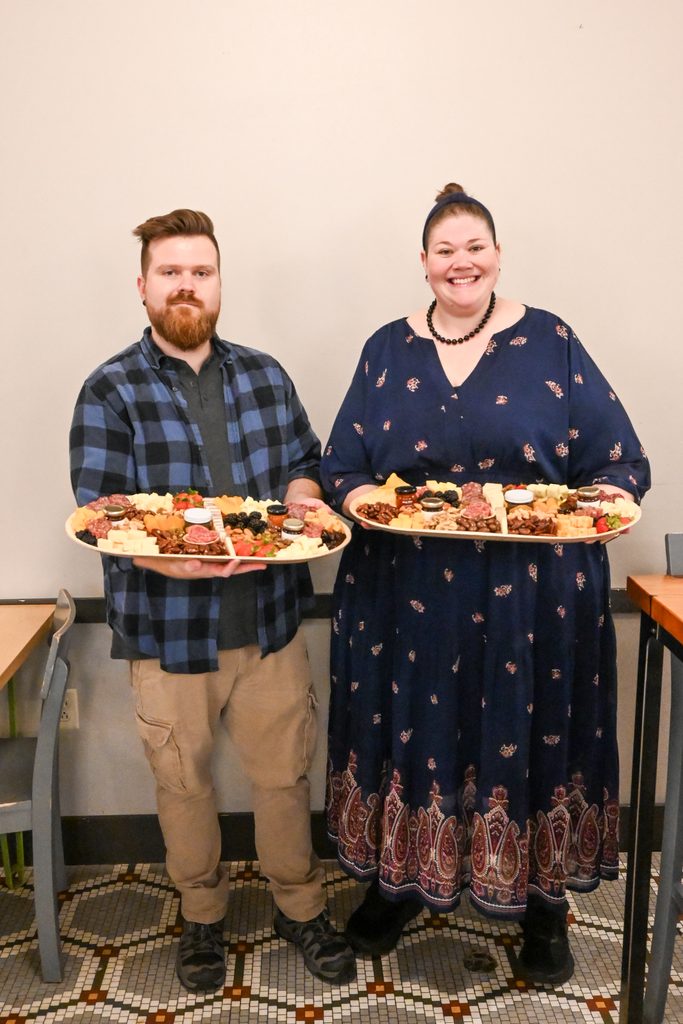
There are other benefits, too—unlike most commissary kitchens, P&P Makeshop shares space with the public-facing café. That gives businesses like Madison Cheese Boards an easy pick-up location, especially since owners Sam and Joe Bordash make everything themselves and aren’t always available to meet their customers for a hand-off. But the Bordashes also believe that the collaboration is what truly makes P&P Makeshop special. “Being part of the P&P Makeshop community has allowed us to meet and collaborate with so many other local businesses, often right here in our ‘home̓ space,” says the couple. Each November, they produce a cheeseboard that features ingredients from their cohort. “It means a lot to us to be a part of such an amazing community.”
A new era is about to begin now that the P&P Makeshop has some vacancies, but McKenzie is excited for the possibility. “We definitely could have chosen a less expensive warehouse,” said McKenzie. “But it was important to me that the business was in a community because good food culture is about being rooted in where you are. It’s about being connected to the people you source from, but it’s also being connected to the people who picked up the dish you made last week and want to talk with you about it.” And that connection to the customer, truly, is what makes the P&P Makeshop unique.