
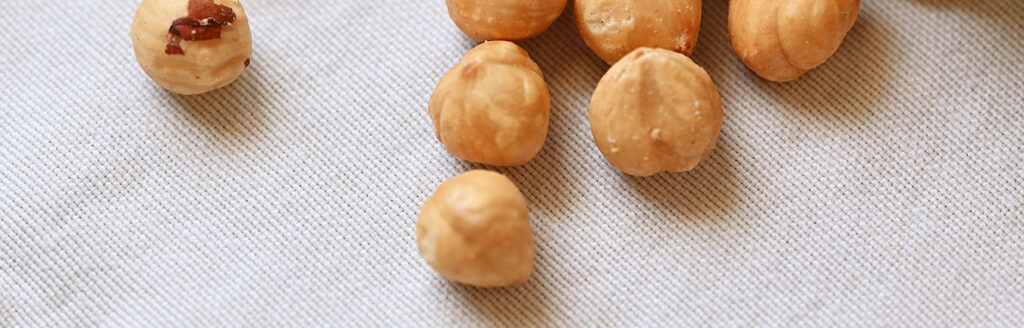
A seed is a plant’s way to create its offspring and keep the species going. The seed is like an egg, but for plants— the botanical terms even reflect this: A seed is considered a fertilized ovule, which contains an embryo with the genetic information to create a new plant. It is where the plant stores nutrients, and it is covered with a protective layer to help with storage until it is ready to germinate. Many seeds from plants are not actually eaten (such as those in fruits like apples or oranges), but many seeds are edible and have vast culinary uses.
What is the difference between a nut and a seed, anyway? Nuts are actually a category of seed that come covered with a hard shell and grow on trees. To complicate matters, some nuts are also technically fruits (in the botanical sense). A nut’s shell is very protective and does not open on its own to release the seed stored inside—opening nuts often requires a nutcracker. So, all nuts are seeds, but not all seeds are nuts. They can be used interchangeably in almost every scenario, including in culinary uses, and are nutritionally the same as well. Peanuts will throw us all the way off, as they grow underground and are actually legumes—so, they are seeds (as are all grains, beans and legumes), but they are not a true nut. Many foods we think of as nuts are actually seeds, such as almonds or cashews, but this distinction is not important for culinary or nutritional purposes.
Whatever their specific source, these foods are little nuggets of nutrition. They provide fiber, magnesium, zinc, manganese, thiamin (vitamin B1), riboflavin (B2), niacin (B3), pantothenic acid (B5), pyridoxine (B6), folate (B9), phosphorus, potassium, selenium, copper, chromium and molybdenum. They are also one of the best sources of vitamin E, which serves as an important antioxidant. Some iron and calcium are found in seeds as well, though this is in the less bioavailable form than animal foods providing these minerals. While nuts and seeds do provide some protein, it is not in high enough quantities to be relied on as a primary protein source (providing 2–7 grams of protein per ounce depending on the seed, which is around ¼ of cup seeds or 2 tablespoons of nut butter; most people would need over a pound of nuts per day to meet their protein needs, which would more than meet most peoples’ calorie needs alone). Nuts and seeds are a rich source of fats, providing omega 6 and omega 3 essential fatty acids (also known as polyunsaturated fats or PUFAs).
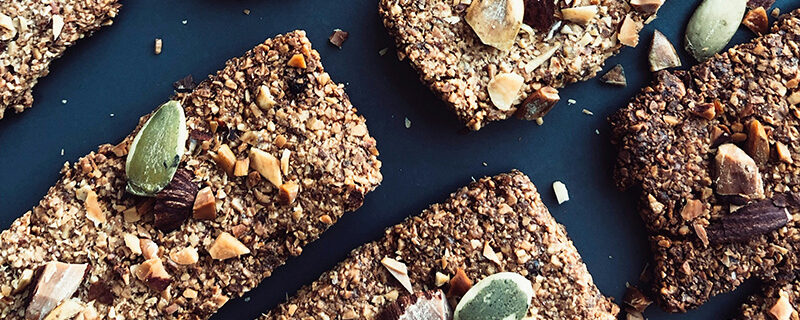
Since nuts and seeds are so nutrient dense, we don’t really need large amounts of them in the diet to reap their nutritional benefits. I tend to think of them as a condiment, adding an extra pop of nutrition to snacks and other dishes, but not as a main source of protein or most other nutrients. I typically recommend limiting nuts and seeds to 1–2 servings per day. While they are packed with vitamins and minerals and should certainly be included in the diet because of this, they also come with some reasons to keep intake moderate: their content of PUFAs and anti-nutrients. PUFAs, while they are essential to receive from the diet and are needed for many functions in the body, can contribute to increased inflammation when consumed in large amounts, especially if there is a low intake of omega 3 fats from foods like fish. It can be a case of too much of a good thing, and it can be easy to get too many PUFAs in the diet, especially if there is a higher intake of processed foods. I usually recommend limiting intake of oils made from nuts and seeds, because these will be especially concentrated sources of omega 6 fatty acids, and focus on getting them in their whole form instead.
Anti-nutrients are the other area of caution around seed foods. Plants have a defense mechanism built in to protect them from predators and help store nutrients until the time of germination. Some of these compounds in nuts and seeds include phytates and lectins, which bind minerals and make absorption of nutrients like zinc and magnesium difficult from these foods. Some also find these compounds irritating to the gut or contribute to symptoms of issues like autoimmune illnesses. Luckily, this problem is easily solved by preparing seed foods with this in mind. Soaking, souring or sprouting them neutralizes these anti-nutrient compounds and leaves the nuts and seeds more easily digested and the nutrients more bioavailable.
While nuts and seeds are grown and used all over the world (and have been for thousands of years), the primary seeds available to us locally—most of which are native—include hazelnuts, hickory nuts, butternuts, bitternuts, pine nuts, acorns, sunflower seeds and black walnuts. Many of these can be foraged, usually in the fall, and processed for edibility (black walnuts and acorns require the most work in this area). Use reliable guides for tree identification before harvesting and follow any local regulations for harvesting on public land, always keeping sustainability in mind. Resources like Samuel Thayer have great guides on plant identification and processing these foods as well. If you are out of nut-gathering season or want to skip the foraging step, look for vendors at co-ops, farmers markets and other purveyors of local foods for sourcing. There are endless culinary uses for nuts and seeds, both sweet and savory: used as crunchy toppings for salads; mixed into stir fries, curries, or pilafs; added to granola, trail mix or desserts; or blended into homemade nut butters and nut “milks.”
No matter how you use them, these crunchy gems of nutrition are a great addition to the diet and have myriad ways to add their goodness to dishes. We are so lucky in our region of southwest Wisconsin to not only have a plethora of vegetables, fruits, meat and (of course) dairy as options for locally focused eating, but grains, nuts and seeds as well. I’ll take a Wisconsin hazelnut over a California almond any day!
Seed Cycling: There is also a non-culinary use for seeds called seed cycling. This is the practice of consuming various seeds, rotated in and out of the diet in alignment with the female menstrual cycle. In seed cycling, 1-2 tablespoons of flax and pumpkin seeds are consumed in the first half of the cycle, while sunflower and sesame seeds are eaten in the latter half. Exact origins of seed cycling are not clear, but it likely has roots in Traditional Chinese Medicine and Ayurveda, both ancient healing practices that, rightly so, view food as medicine. The goal of this practice is to help with women’s hormone balance and potentially ameliorate symptoms of PCOS/PMOS, endometriosis, premenstrual syndrome, infertility, and other issues caused (in part) by imbalances in female reproductive hormones. There have been small studies on seed cycling with some benefit shown to women experiencing symptoms of PCOS/PMOS, but evidence on this practice is limited and seed cycling should not be used as a stand-alone intervention for hormonal issues. It is most likely that the consumption of these seeds can have benefits to hormones because of their content of fiber, minerals and omega 3 fatty acids; however, these nutrients can be found in a wide variety of foods and would not likely need to only come from seeds. If you are interested in trying seed cycling, consider speaking to a dietitian, physician and/or other women’s health specialist such as a midwife to include it in your treatment plan.
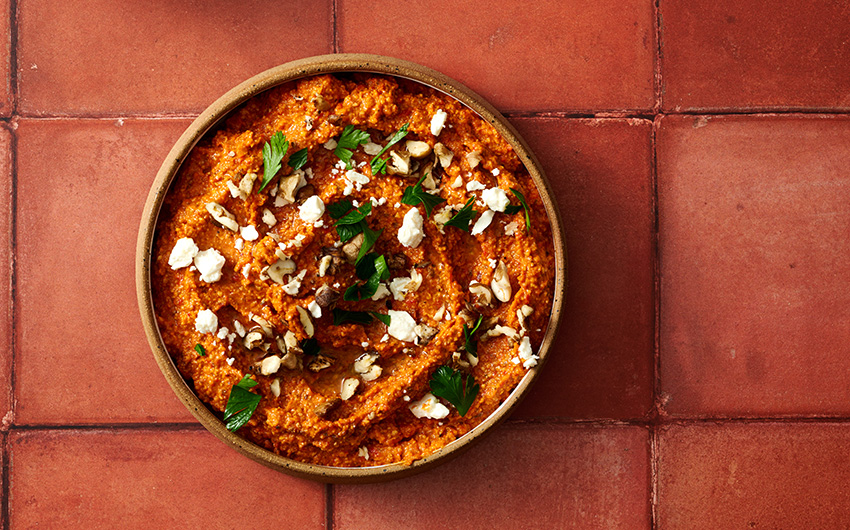
Black Walnut Muhammara
Recipe by Laura Poe Mathes
Muhammara is a rich and flavorful Syrian dip that is typically made with English walnuts or other nuts, but this is getting a local twist with black walnuts, native to our region and many other areas in the US. Serve it with warm pita, crudite vegetables or seedy sourdough crackers to stun at a potluck or serve as part of a mezze platter, adding color, nutrition and deliciousness to your spread.
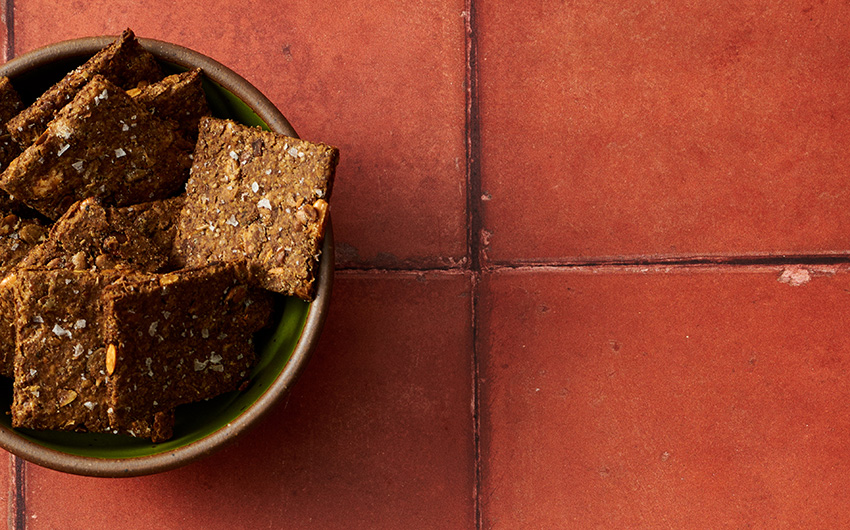
Seedy Sourdough Crackers
Recipe by Laura Poe Mathes
Making your own crackers is an easy way to use extra sourdough starter, and they are so delicious you won’t want to go back to store-bought. The addition of local seeds adds crunch and a nutty flavor that’s hard to beat. Pair these with a tasty dip (like the Black Walnut Muhammara) or stack with cheese for a hearty snack.