

Brewing Community: Local Brewers Share the Craft
For our tenth anniversary, we've created a special issue that is both a retrospective and future-focused view of our regional food system. We've selected ten of our favorite and most pertinent past issues. For each, we revisit the issue's theme or feature article, examine how it has evolved since then, and share insights for the future. We hope you enjoy taking a walk down memory lane with us...
Original article: Brewing Community by Shannon Henry Kleiber, Summer 2010
Then
2010 was a special year. At the summer solstice, the height of the sun and of the year, we toasted the launch of Edible Madison’s first issue with bottles of cold, local, craft brews. No other drink would have been appropriate to celebrate a cover featuring a handful of green hops that you could practically smell off the page.
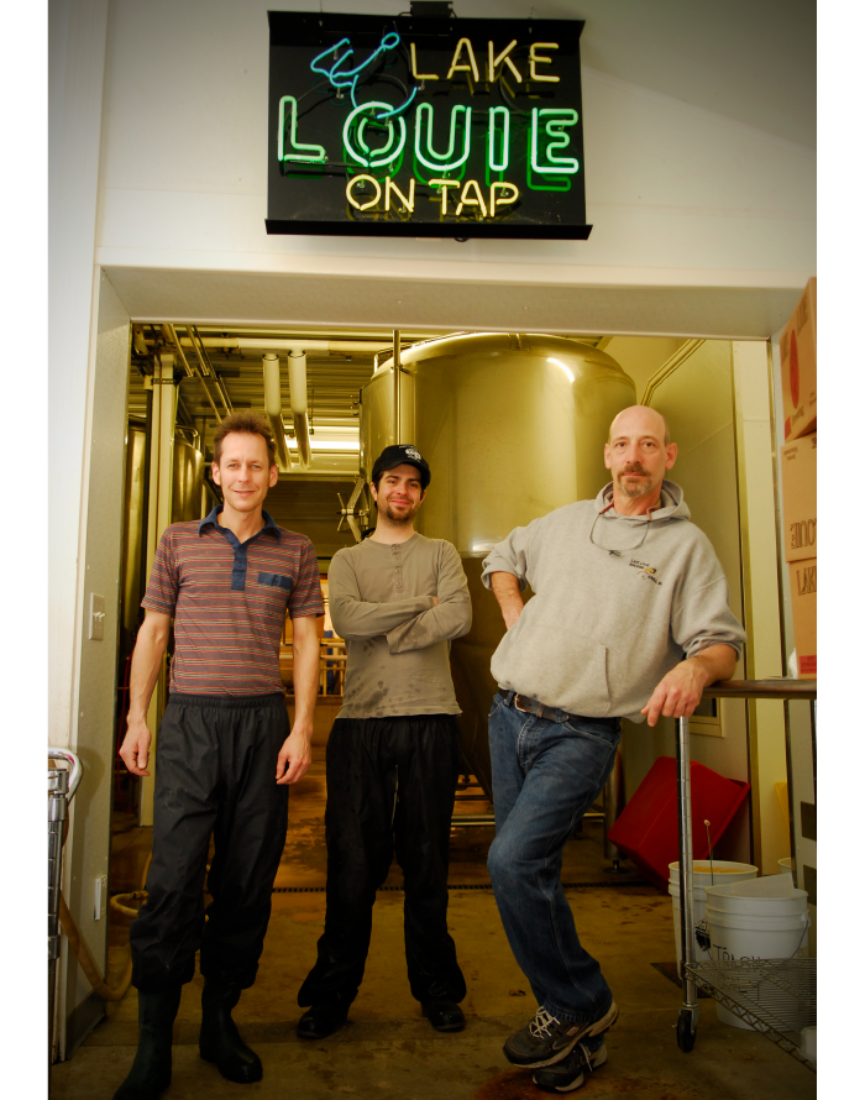
At that time, the brewing community in Madison was a small and close-knit group made up mostly of men who got their start as home brewers. It was a joy to re-read this article 10 years later. We’d forgotten the story of “Frankenstone,” a tasty and aptly named beer jointly brewed by Capital, Great Dane and Lake Louie, “which involved heating rocks and other strange science.” The brewers tried recreating it a year later, and instead of being “one of the best five beers” they’d ever tasted, it blew up. Since that first issue, we’ve written about beer in 11 of our 40 editions.
Now
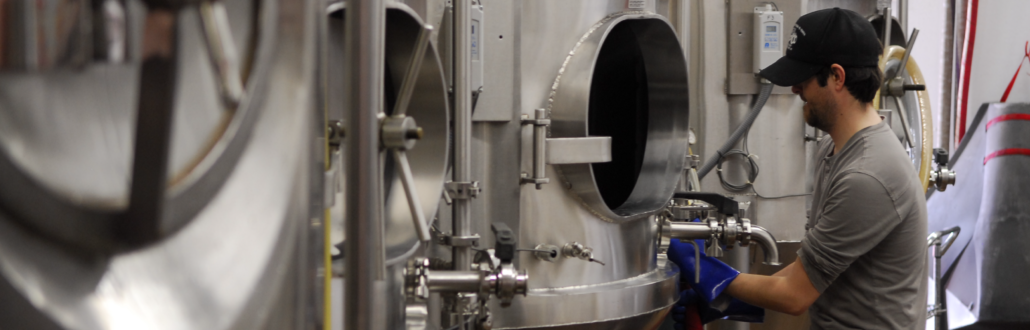
The brewers mentioned in this article 10 years ago have become the elders of a craft beer scene exploding with new faces, yet the original culture of community, camaraderie and cooperation remains strong. Established brewers have long shared their wisdom and equipment with newbies, helping them keep quality high and overhead costs low during those risky startup years. Notably, more women brewers have been welcomed into the community, led by Jamie Baertsch, of Wisconsin Dells Brewing Company, who became Wisconsin’s first female brewmaster back in 2005. In 2018, the women-owned Giant Jones Brewing in Madison became the state’s first certified organic brewery.
It’s also still true that “you can’t sell crap to people in the Midwest,” as Tom Porter of Lake Louie Brewing said in the original article. We Wisconsinites know our beer, and our tastes are expanding. We recognize the skill required to create a clean lager that “can’t hide any sins,” and we’re embracing the funk and style of naturally fermented sours, like the “geuze” brews produced by Funk Factory Geuzeria, featured in our spring 2020 issue.
Future
It’s safe to say that the craft brewing scene in Southern Wisconsin is healthy and strong. It’s even spurred interest in whether Wisconsin can once again become a hotspot for growing hops (a “hopspot”?). The Wisconsin Hop Exchange cooperative, in particular, is working to build partnerships between local craft brewers and local hop growers, with the goal of reviving an industry that once was a huge part of Wisconsin’s economy and farming culture. (Read more about the history of hops in our state in “Wisconsin’s Hops Renaissance,” from our summer 2012 issue, also available online).
Alongside the genuine desire to see each other succeed, there’s still a sense of friendly rivalry that ensures our local brewers continually push their limits and try new ingredients and techniques. The result? We beer-lovers get a nearly unlimited selection of flavors to delight and challenge our senses. We can’t wait to see what Southern Wisconsin brewers come up with next.
More Stories by This Author

Edible in your mailbox
