

Barely more than a year after production and processing returned to our state after a long and forced hiatus, hemp is back in style with a flurry of attention and innovation.
Barely more than a year after production and processing returned to our state after a long and forced hiatus, hemp is back in style with a flurry of attention and innovation.
Hemp fiber in clothes. Hemp fiber for aerospace engineering. Hemp fiber in the door panels from your favorite vehicle manufacturers. Hemp seeds as a superfood. Hemp milk (from seeds) as a dairy alternative.
And CBD for, well, everything: CBD for anxiety and depression. CBD for chronic pain and cramps. CBD for cancer-related symptoms (no, it doesn’t “cure” cancer). Strangely, CBD also seems to be found in everything: ice cream, coffee, beer, smoothies, kombucha. CBD gummy bears to cure your anxiety! And ironically, it can be found at many gas stations but few pharmacies.
Past and Present
Although there has certainly been renewed interest during the last few years, hemp isn’t a new crop. In fact, archaeological evidence suggests cannabis (aka hemp) was one of the first crops cultivated by humans, with seeds and fiber found at sites dating to 10,000 and 8,000 BCE, respectively. Production and use of cannabis (varying from fiber to drug) is recorded throughout history, with scale of cultivation peaking in the early to mid-20th century, when hemp fiber was in highest demand.
What is recent in the legal Midwest marketplace is the use of the plant for medicinal purposes. All cannabis, regardless of use, type or THC content, was made illegal in the U.S. in 1937, although Photos by Jim Klousia there was a brief hiatus borne out of necessity during World War II, when international sources of hemp fiber for Navy ropes were unavailable. At that point, Wisconsin became a leading producer of hemp for fiber. There was even a propaganda campaign entitled “Hemp for Victory.” Unfortunately, CBD and other non- psychoactive cannabinoids were long lumped in with psychoactive THC and considered illegal.
Fast forward 50 years and hemp has been legally defined by the 2014 and 2018 U.S. Farm Bills and Wisconsin Statute 94.55 as cannabis that contains less than 0.3 percent THC. So while there’s quite the buzz about its medical and entrepreneurial potential, you can’t actually catch a buzz from hemp. It’s fundamentally different from marijuana because it doesn’t contain intoxicating levels of THC. Now the other non-psychoactive, hemp-derived cannabinoids are finally open for business. CBD in particular seems to be taking the country by storm.
Interestingly, the only FDA-approved use of CBD is for epilepsy treatment, via the drug Epidiolex (a prescription anti-seizure medication). That narrow approval complicates things legally: It means that, technically, products with CBD shouldn’t be marketed with health claims or intended for human consumption. And yet all across the country, CBD and hemp are being marketed with all sorts of health claims and put in all sorts of foods. Madison and Wisconsin are no exception. It’s clear that federal and state regulators are playing catch-up to the production and processing, which in turn is striving to reach consumer demand.
Yet it’s important not to point fingers or blame anyone for the collective task of figuring out this new industry. Government agencies at state and federal levels are grappling with the problem. The FDA and Congress have acknowledged that demand for CBD goes well beyond prescription medication, and they are apparently working on regulatory fixes, which may end up being as simple as new labeling guidelines to help define different product classes.
The Science of CBD
So why all the excitement? Why is CBD in everything these days? In brief, cannabis produces two major classes of chemicals that have potential for therapeutic and other applications: terpenes and cannabinoids. The latter includes the infamous tetrahydrocannabinol (THC) and the now-lauded cannabidiol (CBD), as well as 100-odd other compounds, many of which have shown medical potential in preliminary studies. The terpenes contribute to aroma and taste but also have a range of potential medicinal, industrial and agricultural applications.
Humans (and many other vertebrates) naturally have an endocannabinoid system that is involved in the regulation of numerous functions, such as appetite, memory, pain sensation and prenatal development. Plants like cannabis, clove, and others have compounds that are similar in structure to the cannabinoids naturally produced by our bodies, which means they can interact with our endocannabinoid system to produce a variety of physiological effects—similar to how pain-killing opioids interact with opioid receptors in our nervous system.
However, in a positive contrast to the opioid analogy, many CBD advocates claim that therapeutic uses for CBD and other cannabinoids have less potential for undesirable side effects and minimal potential for addiction. More scientific studies are definitely needed, but the ones that have been done—along with anecdotal accounts—seem to indicate that cannabinoids have a lot of promise.
So it makes sense that CBD oil found in capsules, salves or tinctures could help alleviate a range of symptoms. But it doesn’t really explain why CBD is available as an additive to smoothies and coffee. At essence, they’re all different delivery systems, and folks might want multiple options for taking their CBD (just like any other supplement). But this phenomenon also partly comes down to consumer excitement and product novelty.
Arguably it’s a fad, but don’t get me wrong, I’m excited to try some CBD-infused beer. I like locally brewed beer, and I’m genuinely excited to see the explosive growth of this new hemp industry. With how safe CBD has proved to be, there’s no reason to prevent it from being used in foods and beverages. However, it’s important to consider that there are likely interactions and synergies between CBD and other active ingredients (like caffeine or alcohol). It might seem great to have CBD to take the edge off your coffee jitters, but these interactions haven’t been fully studied. If you are trying to treat specific symptoms, consider some of the more simple, tried-and-true delivery methods: Tincture or capsules are a great way to meter dosage, and salve is probably the most effective for treating localized pain.
With Great Opportunity Comes Great Complexity
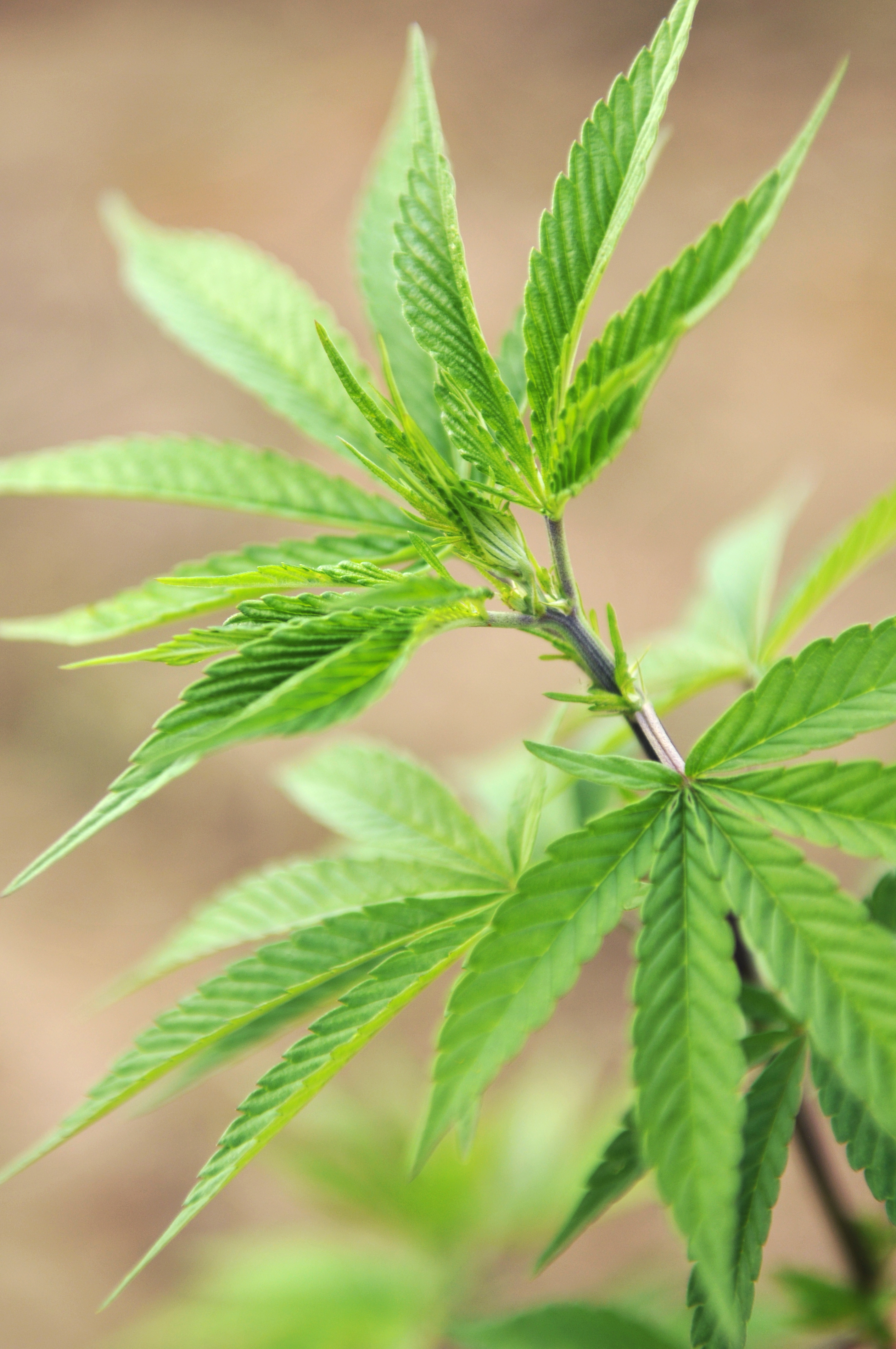
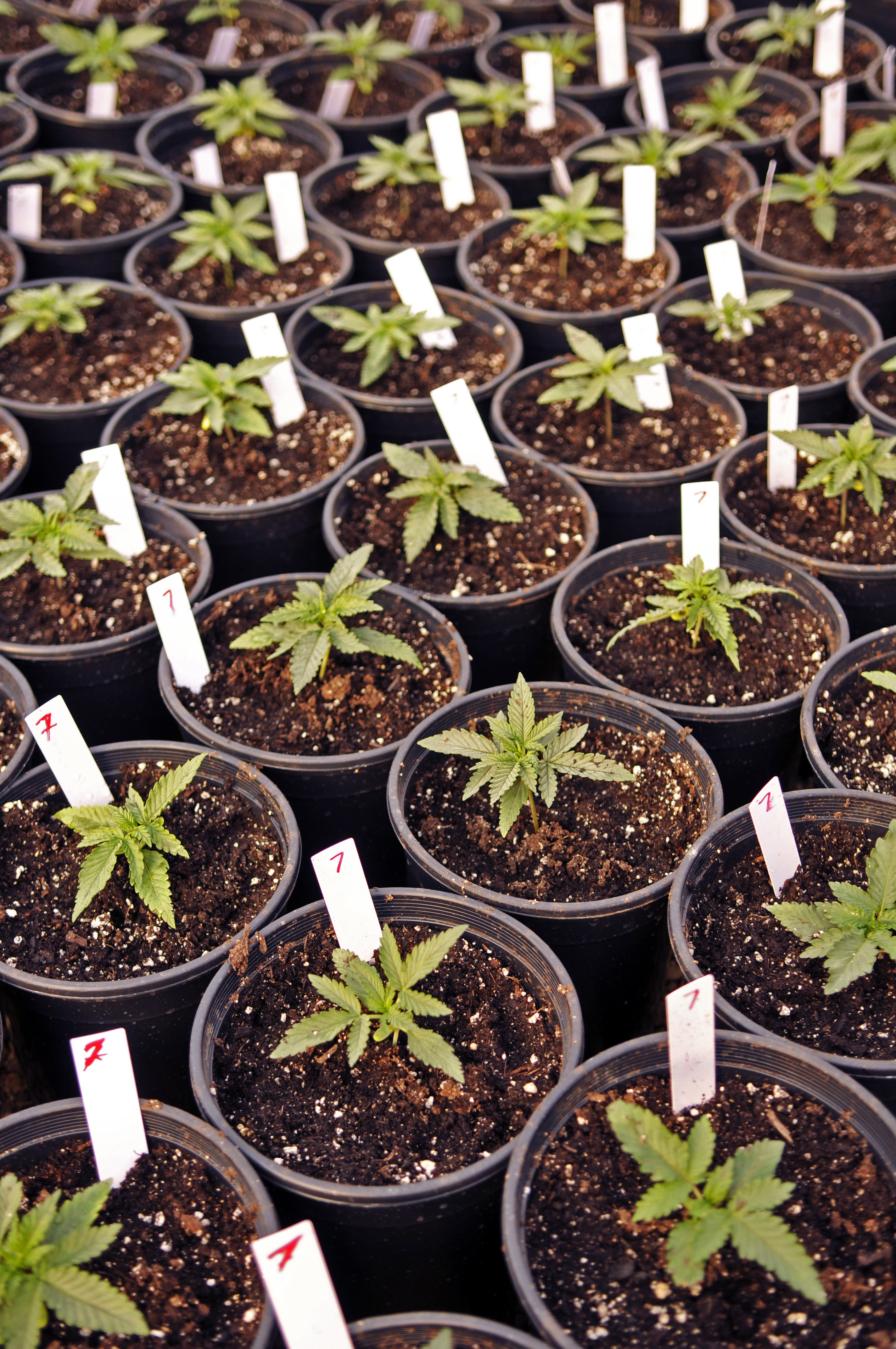
Hemp is a special crop with a diversity of forms, and each has entirely different production needs and markets. Fiber cultivars are extremely tall, thin and harvested at an immature stage when fewer cannabinoids are present. Cultivars bred for production of cannabinoids like CBD or THC are usually stockier and more heavily branched. Varieties for seed often fall somewhere in between. It’s an oversimplification because there are many exceptions, including cultivars meant for two or all three uses, and differences also depend on methods of cultivation.
To complicate matters for the emerging industry, the production of one type can sometimes preclude others. Pollen from seed crops or unharvested fiber plants can travel dozens of miles, and if pollen hits a nearby CBD field, it could ruin the crop by producing unwanted seeds, thus reducing cannabinoid production and complicating marketing and processing for the CBD hemp farmer. Other states have already grappled with this issue. One high profile case in Oregon saw tens of millions of dollars’ worth of damage to CBD and medical marijuana crops from one 75-acre grain hemp field. Famers are now specifically using seed that has been feminized, nearly eliminating male plants that cause the pollination issues.
Such challenges will have to be addressed expediently by both government and producers if the industry is to succeed in benefiting our state’s small farmers, many of whom are viewing hemp as a rare opportunity to make a decent income at a time when other farm commodities are struggling to turn a profit. It won’t be an easy road, as many producers are brand new to the crop, and some are new to farming altogether. Fortunately, others bring decades of experience with hemp or medical cannabis to the state’s nascent industry.
Riding the Hemp Bubble
One of the many people bringing a wealth of experience and a clear desire to see hemp benefit the state is Luke Zigovits, founder of both HempScience LLC, a processor and distributor of CBD products, and Higher Level Organics, the first certified fair trade organic hemp farm in the world. Such certifications, and the knowledge behind them, are important distinctions in this early stage of the industry, when an enormous amount of the CBD isolate used to manufacture products for domestic sale is rumored to come from China and other international sources, with little third-party testing or government regulation.
Even with Luke’s 20 years of hemp experience, making hemp pay is a tall order in a rapidly evolving industry that is becoming exponentially more competitive, especially with the influx of investment from large cannabis companies and other sources. For the small farmer, it’s a scary prospect that after less than a year of production, they are already at risk of being undercut and out-produced by large farms out west and internationally.
Yet at seminars and conferences, there’s a cautious optimism. Luke and others reference the potential for hemp to be another cash crop like tobacco once was in Wisconsin—providing a dependable and sustainable income. Many see hemp as a beacon of hope within these dark times for U.S. agriculture, a story of what Luke fittingly described as “rural revitalization.”
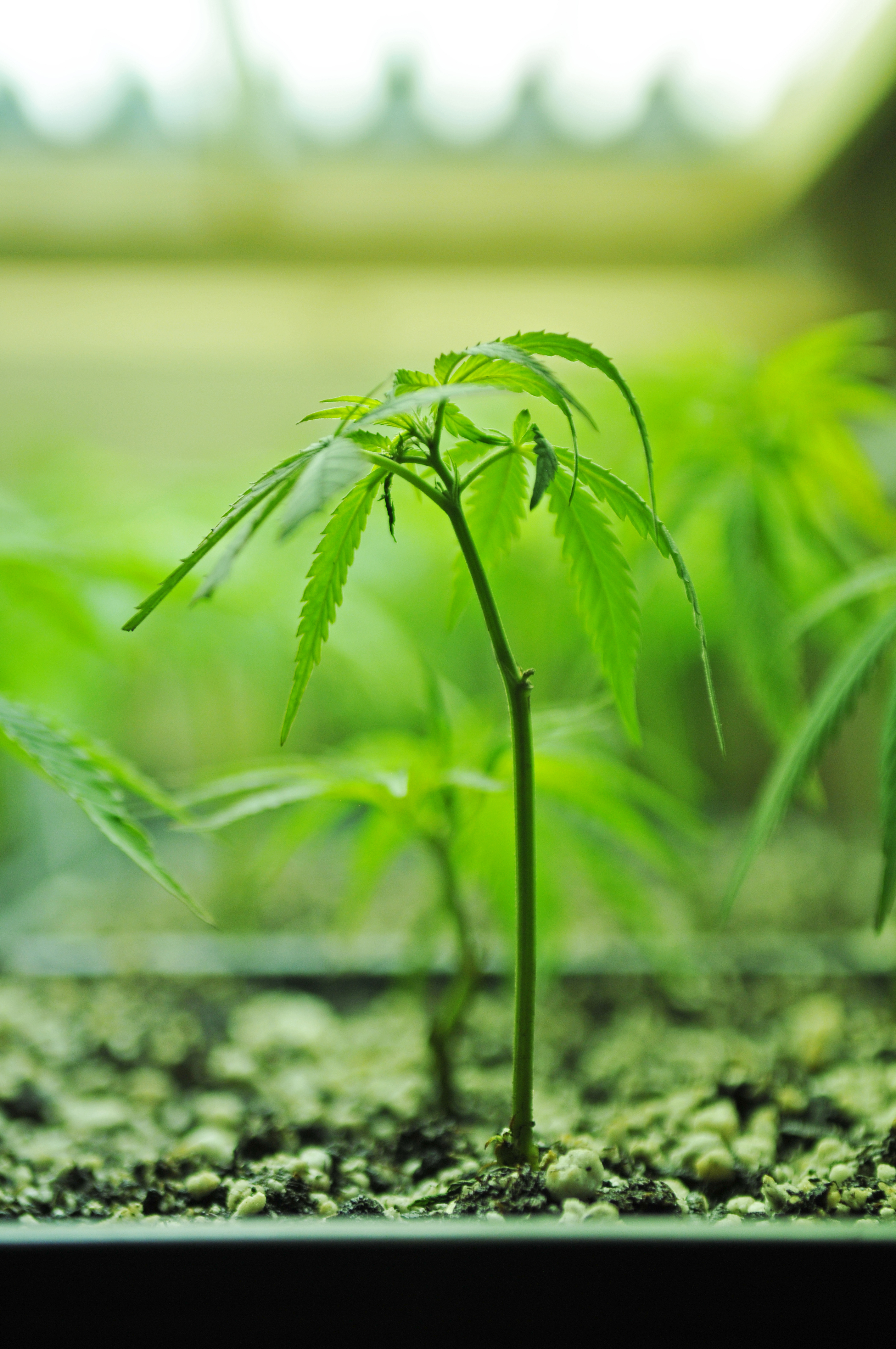
At the rate farmers and startups are jumping into the industry, hemp is turning into a 21st century Gold Rush. In the news, hemp and cannabis are being billed as everything from the best new home remedy to the fastest growing jobs sector. Cannabis companies are being listed on the New York Stock Exchange. Mergers and acquisitions abound. So many mergers, acquisitions, brands and advertisements, in fact, that it seems cannabis has quickly become a bona fide industry.
For many of us in the Midwest, this may seem sudden, but it didn’t happen overnight. Activists have been working for decades to de- stigmatize cannabis and hemp, opening up the opportunity for research, production and legalization. The popularity of CBD makes it clear that hemp is an important piece of the lucrative cannabis industry, no THC needed (although, there are arguments to be made for the very different utility of medical cannabis). In fact, many see hemp as a foot in the door to the legal marijuana industry. Could hemp bring a piece of that multi-billion-dollar industry home to the Midwest?
The pitfall is that no one really knows how the hemp market will shape up. There’s a general understanding that the industry is operating in something of a bubble, driven by consumer demand and lack of production. How much of a bubble and how long it will last is up for debate. Many think that high prices will last at least a few years, but those speculations could be from farmers and entrepreneurs holding out hope against the odds of global trade. “Who will buy my product?” is a regular question. “How do I grow it?” is equally frequent—almost frighteningly so, with production estimates up to tens of thousands of dollars per acre with labor and inputs.
Fortunately, there are many people like Luke and the team behind HempScience who are working overtime to provide answers to those essential questions. The University of Wisconsin–Madison just launched an initiative to study the crop in all its forms. FL Morris and Steve Acheson (an inspiring farmer, veteran, and long-time advocate of hemp and cannabis) recently co-founded the South Central Wisconsin Hemp Cooperative to share equipment, costs, grower resources and marketing efforts. Similar groups are emerging around the state. These pockets of collaboration are a much-needed contrast to a currently tight-lipped industry, with many treating their production information as proprietary, “even when it isn’t,” Luke says.
Keeping It Local
Whether the rural revitalization story pans out remains to be seen. It really can’t be overstated that hemp is a plant and an industry that has huge potential. It produces some of the highest quality fiber (as well as sustainable fiber, since it is currently produced without pesticides and in a much shorter season than many alternatives). Hemp seed is highly nutritious and there are numerous uses. On the medicinal side, CBD is just the tip of the therapeutic iceberg, and further studies will undoubtedly validate much of the knowledge about hemp’s healing potential accumulated over millennia.
But let’s pause for a moment of thought amid all this excitement and potential. Hemp deserves careful consideration and a lot of respect as one of civilization’s oldest cultivated plants. We already have tenuous and mostly industrialized relationships with many plants that share that distinction. Most are now treated simply as commodities. We would do well to think deeply about our relationships to all those crops, not just hemp, but this relatively young industry presents something of a blank slate, and as good a starting point as any. The point here is that every farmer, retailer, consumer, advocate and legislator needs to do their part to ensure a local economy for hemp. Otherwise, we sink our collective ship.
There are local farmers and processors of CBD and hemp seed who are producing high-quality hemp products. We need to find those local products. We shouldn’t be afraid to ask for quality assurances, whether it’s third-party certification, lab testing or just the story behind the product.
Hemp offers a rare opportunity for regional farmers because of the demand inspired by its numerous applications. We can help realize that opportunity, but only with informed and conscientious decisions about what and how we consume. Gimmicky products aside, hemp is a crop with utility bound to outlast any fad. Let’s collectively make this an industry that writes a story of rural revitalization.
More Stories by This Author

Edible in your mailbox
